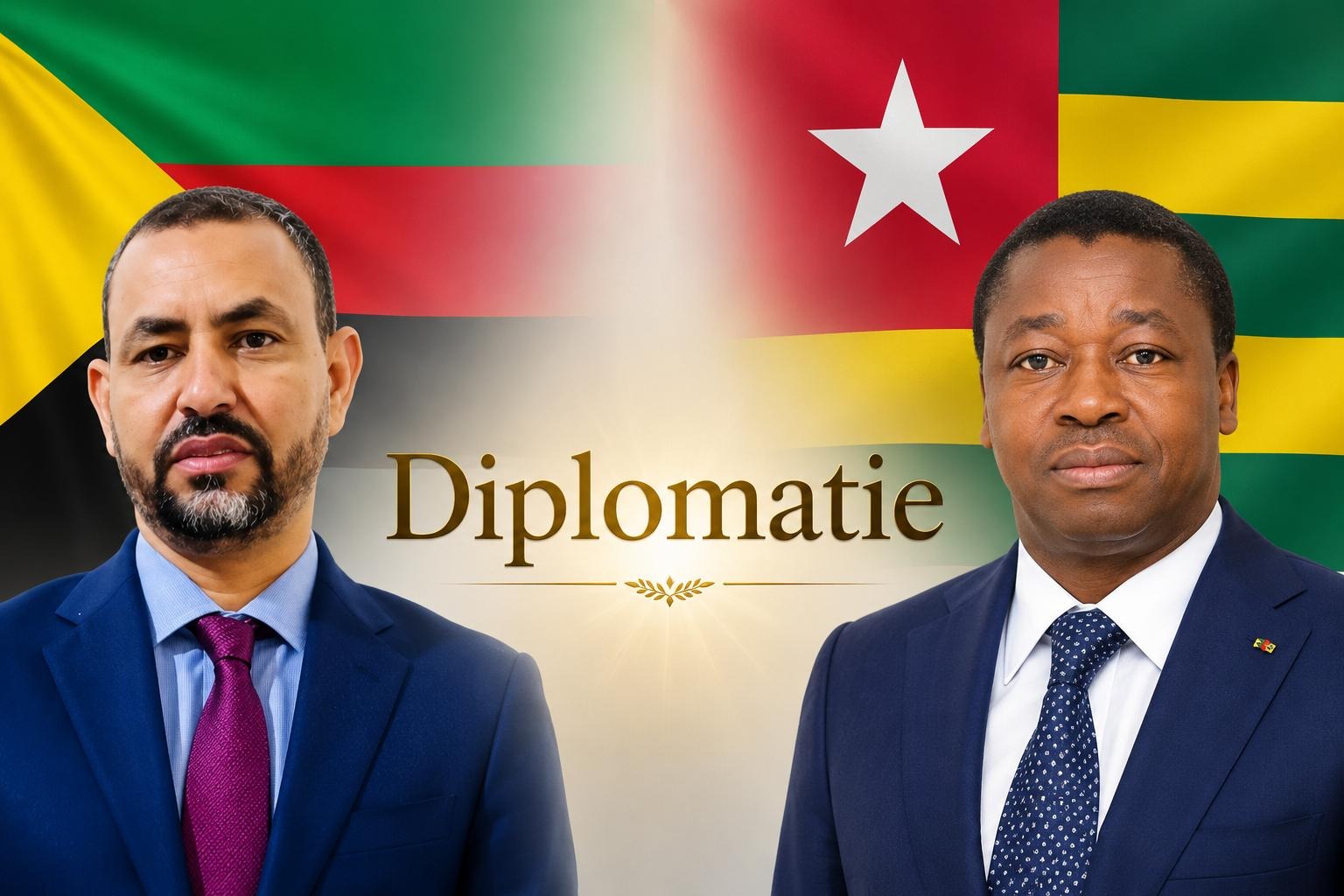
The diplomatic landscape in West Africa is undergoing subtle yet significant shifts, with Lomé poised to take a bold step. Reliable insider reports confirm that Togolese authorities are preparing to officially recognize the Front de Libération de l’Azawad (FLA), a move that could reshape regional power dynamics just as the movement embarks on a strategic tour of key capitals.
Lomé as the launchpad for FLA’s regional ambitions
The Front de Libération de l’Azawad (FLA) is stepping out of the shadows, seeking to carve a new narrative in the Malian crisis. This political and military faction, which rejects Bamako’s authority over northern Mali, is set to embark on a charm offensive across West Africa. Its goal? Securing international legitimacy and breaking free from the isolation imposed by Malian transitional authorities.
The choice of Lomé as the first stop—or at least a pivotal hub—for this regional tour is far from coincidental. FLA envoys are seeking receptive ears willing to amplify their calls for autonomy or sovereignty. By agreeing to host the delegation officially and signaling recognition, Togo positions itself at the heart of this emerging geopolitical puzzle.
Faure Gnassingbé’s ‘balanced diplomacy’ and its critics
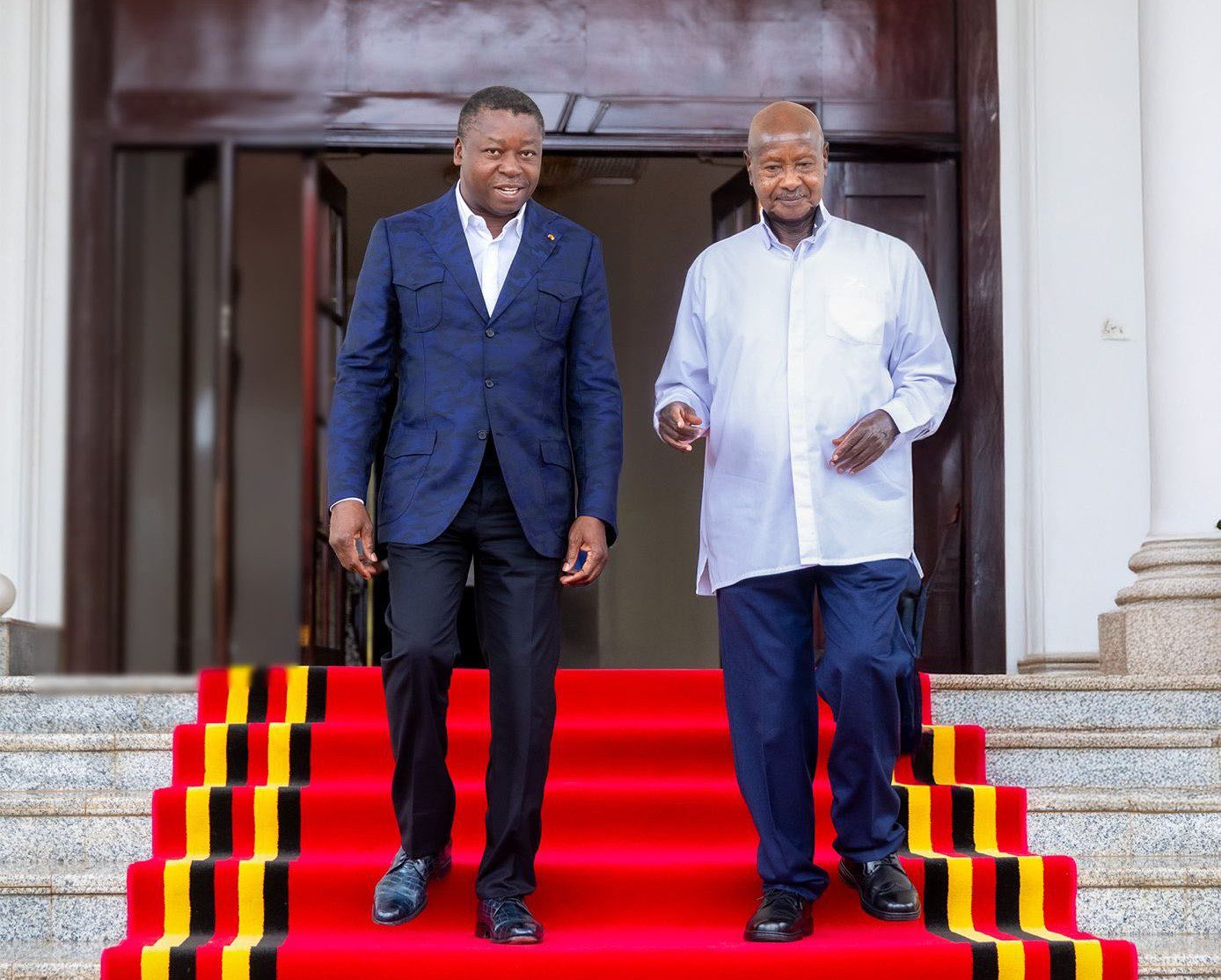
For seasoned observers of Togolese politics, this move aligns with a long-standing, if controversial, diplomatic tradition. President Faure Gnassingbé has never shied away from engaging with dissident forces, even when regional peers favored institutional rigidity.
Over the years, the Togolese leader has cultivated a doctrine of open dialogue with excluded groups. While neighboring states often enforce strict adherence to regional blocs, Lomé has repeatedly chosen to listen to those sidelined by the international community. The impending recognition of the FLA fits neatly into this pattern: Togo refuses to blindly follow rigid stances and instead positions itself as an indispensable mediator, even if it means crossing traditional diplomatic red lines.
From AES to FLA: A pattern of backing shifts
This pragmatic—or opportunistic, critics argue—approach reached its peak during recent Sahelian upheavals. When coups shook Mali, Burkina Faso, and Niger, the Economic Community of West African States (ECOWAS) swiftly imposed sanctions and isolation policies.
Togo took a different path. Lomé emerged as the primary diplomatic hub for the junta leaders of the Alliance des États du Sahel (AES), with Gnassingbé positioning himself as their privileged mediator. This stance directly challenged ECOWAS’s unified front. Now, with plans to recognize the FLA—a group actively opposing Bamako—Lomé is applying the same playbook, albeit against a backdrop of Malian territorial disputes. The apparent contradiction underscores a clear pattern: Togo seeks to be the indispensable hub for all transitions and rebellions in the subregion.
Regional tensions and the unraveling of old alliances
The imminent recognition of the FLA by Togo is sure to strain bilateral relations within West Africa. For Mali’s transitional government, welcoming and legitimizing the FLA amounts to direct interference in its internal affairs and could be seen as tacit support for destabilizing its northern territories.
At ECOWAS, already weakened by the defection of Sahelian states, this Togolese initiative risks deepening the rift. By acting unilaterally, Togo signals that the region’s security and diplomatic architecture is evolving. Old principles like non-interference and border inviolability are giving way to a more fluid, pragmatic geopolitics where alliances shift with the winds of change.
As Lomé prepares to recognize the FLA amid its regional tour, the Togolese capital reaffirms its role as a laboratory for West African diplomacy. Gnassingbé’s method remains consistent: anticipate fractures, engage with the excluded, and position Togo as a bold yet neutral mediator. The question now is whether this policy of extending the hand to dissidents will bolster Lomé’s influence or leave it increasingly isolated in a region that grows more fragmented by the day.