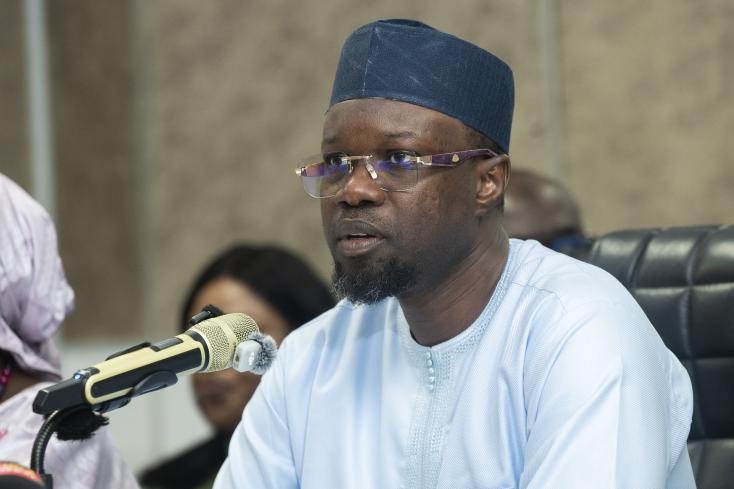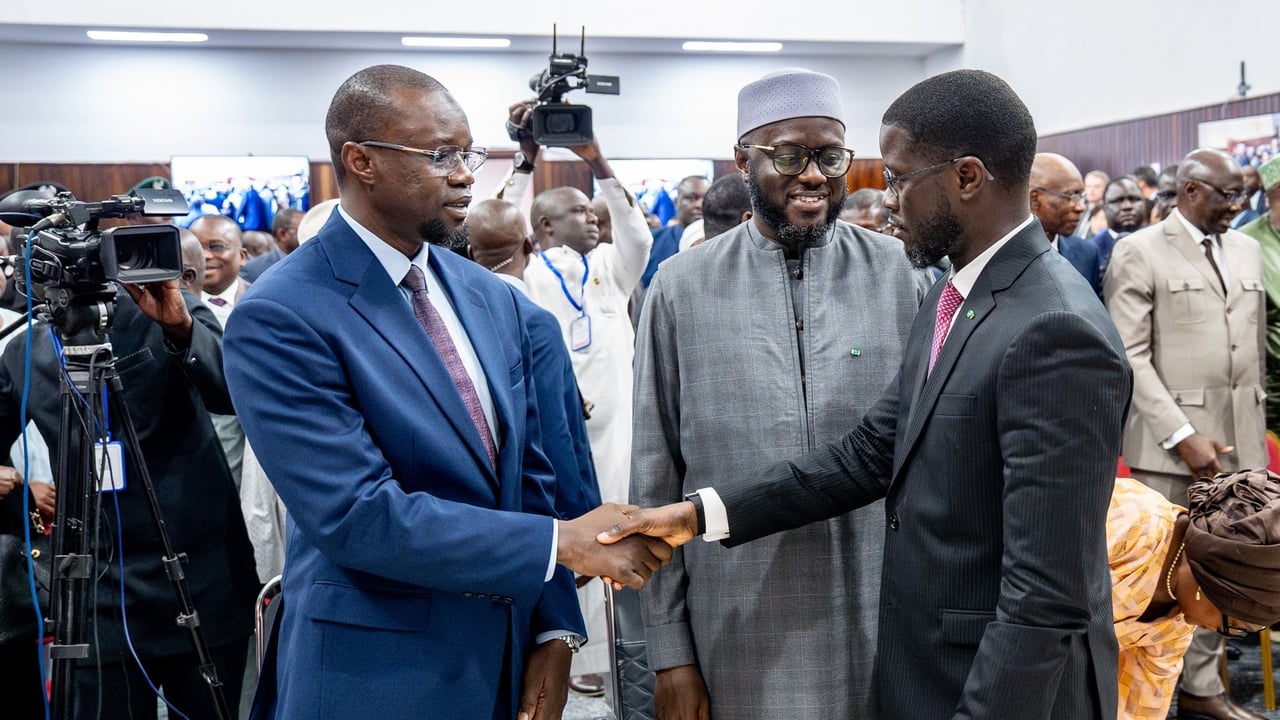
In a decisive move reshaping Senegal’s political landscape, President Bassirou Diomaye Faye has terminated the mandate of Prime Minister Ousmane Sonko. The announcement, made late on May 22, marks a significant shift in the country’s governance structure.
Key reasons behind the dismissal
The president’s decision follows months of growing tensions between the executive and legislative branches. Analysts point to policy disagreements and strategic differences as core factors in the abrupt change. Sonko’s tenure had been marked by bold economic reforms and a firm stance on regional security, but recent controversies surrounding cabinet appointments intensified the rift.
Immediate implications for Senegal
With the prime minister’s removal, the president is expected to appoint a successor within days. The move signals a broader restructuring of the government aimed at aligning policies with the administration’s long-term vision. Economic observers warn of short-term volatility but remain cautiously optimistic about the potential for accelerated reforms.
Reactions from political circles
Political analysts are divided over the decision. Some praise the president’s decisive action as necessary for progress, while others criticize it as a step toward centralizing power. Opposition figures have called for transparency regarding the reasons behind the dismissal, urging the government to maintain democratic standards.
What comes next?
The president’s office has indicated that a new prime minister will be named shortly. Until then, key ministers will continue overseeing their portfolios under the president’s direct supervision. The reshuffle is expected to be followed by a detailed review of government priorities, particularly in economic recovery and regional stability.