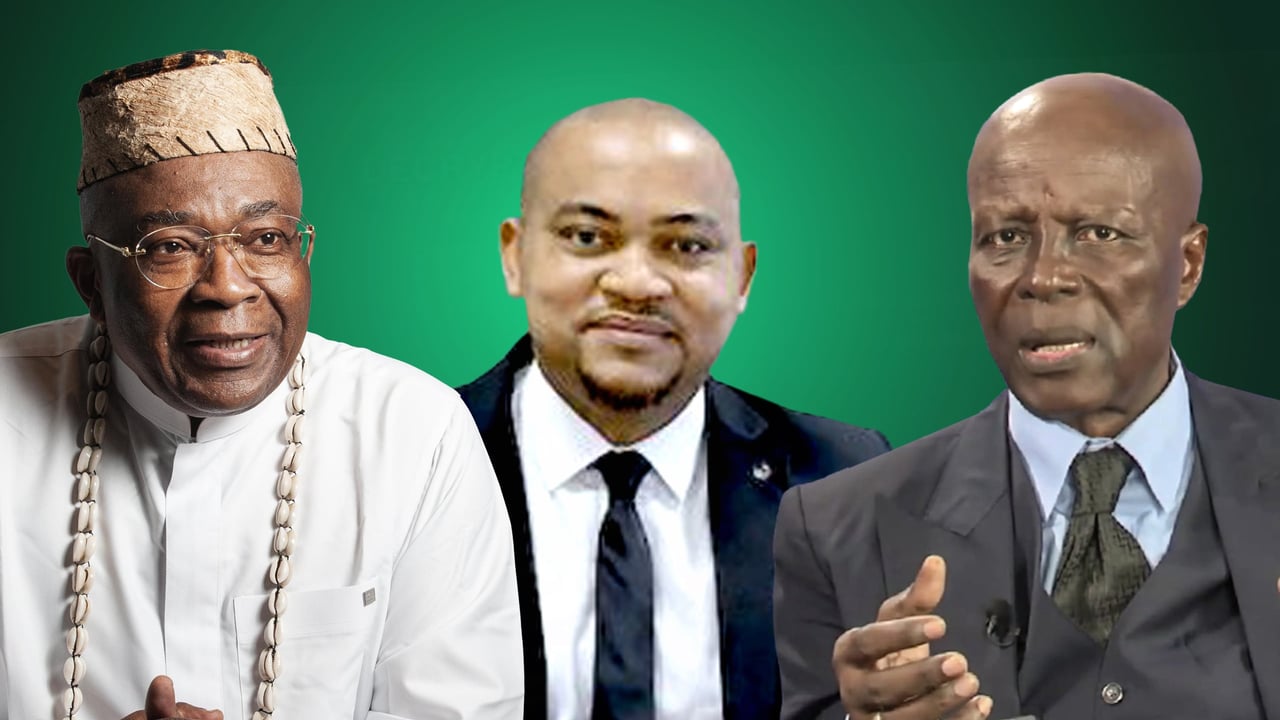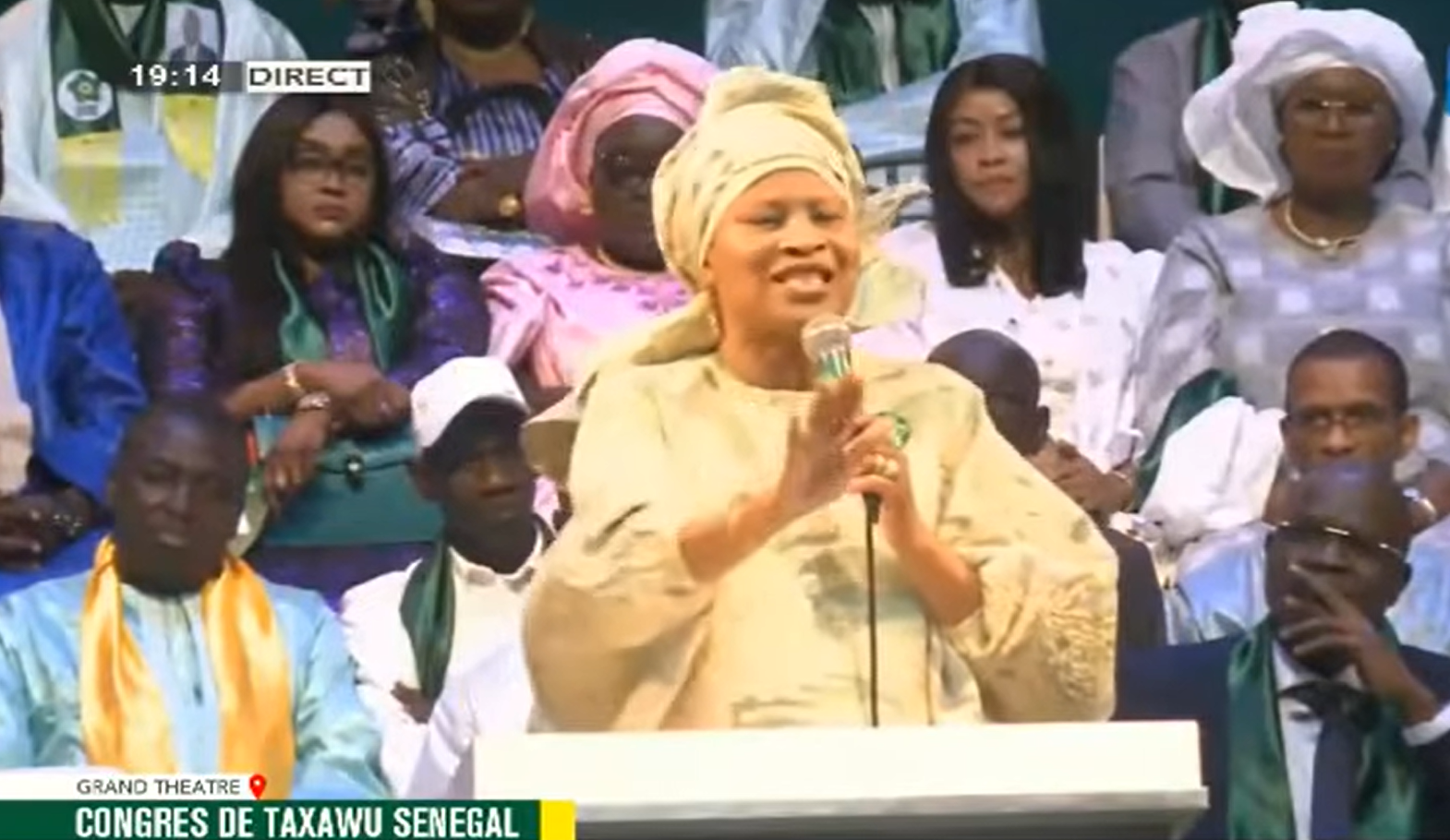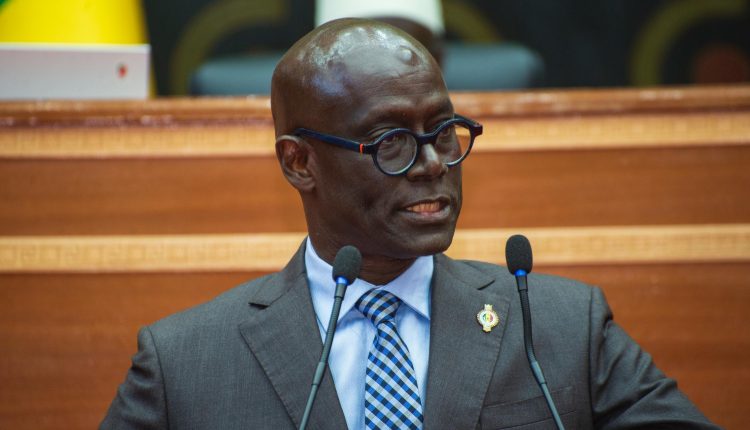
The international credit rating agency Moody’s has once again lowered Senegal’s sovereign credit rating, this time from Caa1 to Caa2 on August 28, 2026. The decision stems from mounting refinancing pressures and the prolonged absence of a program with the International Monetary Fund (IMF). However, parliamentary leader Thierno Alassane Sall of the République des Valeurs (RV) attributes the downgrade to what he describes as a destructive internal political feud between President Diomaye Faye and his former mentor, Ousmane Sonko.
In a strongly worded statement, Thierno Alassane Sall criticized the ongoing power struggle between the two political figures, referring to their supporters as “Kiiraay” and “Pastef.” He argued that this internecine conflict has directly contributed to the country’s economic woes, exacerbating poverty and social hardship for ordinary Senegalese citizens.
“Once again, Senegal’s credit rating has been downgraded, and this time, the blame lies squarely on the reckless fratricidal war between the so-called ‘Kiiraay’ and ‘Pastef’ factions led by Diomaye and Sonko,” Thierno Alassane Sall wrote. “The Senegalese people are paying the price for the leadership’s irresponsibility and disregard for the challenges they face.”
He also urged citizens to hold the executive and legislative branches accountable in future elections, calling on them to remove those responsible for the current crisis. The downgrade comes as an IMF delegation is currently in Dakar, negotiating with the government to secure a new financial assistance program.
Political instability fuels economic uncertainty
The timing of the downgrade underscores the broader economic challenges facing Senegal, where political instability has sown doubts among investors and creditors. The prolonged standoff between the presidency and Sonko’s camp has created a climate of uncertainty, deterring much-needed foreign investment and complicating fiscal planning.
Moody’s assessment highlights not only the immediate refinancing risks but also the long-term structural vulnerabilities in Senegal’s economy. Without a credible IMF program to anchor fiscal reforms, the country’s ability to stabilize its debt and restore investor confidence remains severely compromised.
What’s next for Senegal’s economy?
As the IMF mission continues its talks with Senegalese authorities, the outcome of these negotiations will be closely watched. A successful agreement could pave the way for renewed access to international financing, while failure would likely deepen the economic crisis and further strain public finances.
The political infighting, however, poses a significant obstacle to reaching a sustainable resolution. For now, ordinary Senegalese citizens bear the brunt of the economic fallout, with rising costs of living and limited job opportunities exacerbating social tensions.