Senegal politics clash over special funds reform
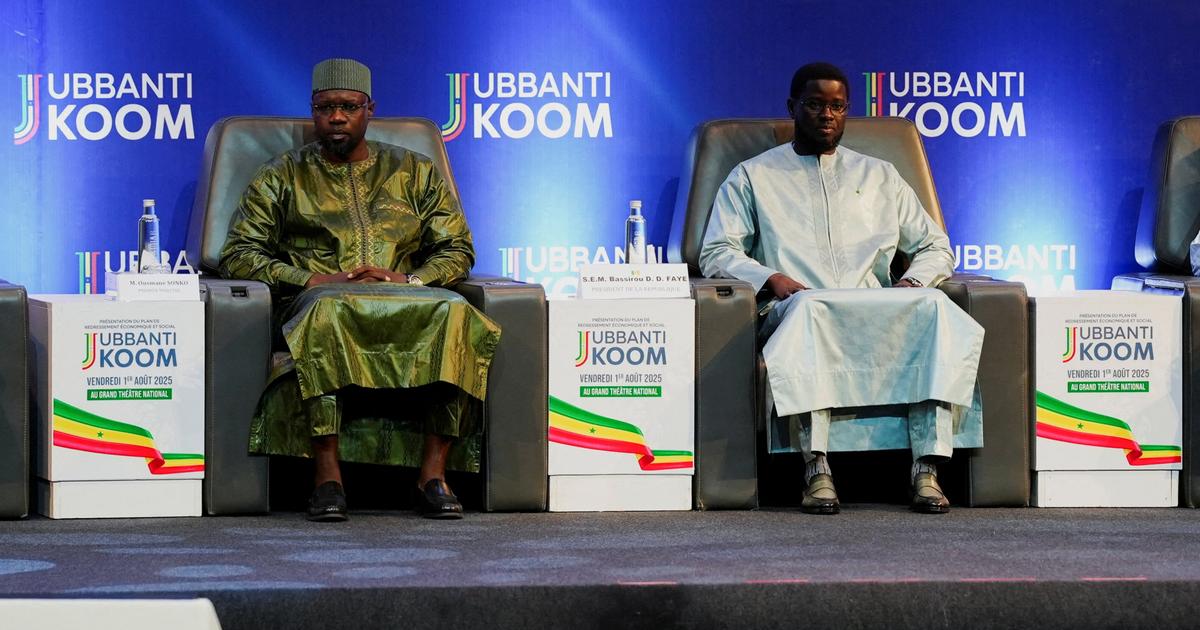
The recent tour of religious sites by prominent opposition leader Ousmane Sonko stands in stark contrast to the content of the bill he introduced in Parliament, according to Minister Abdourahmane Diouf. Diouf accuses Sonko of deploying double discourse, claiming the bill’s restrictive measures on special funds betray promises made to religious leaders.
Parliament’s proposal targets vulnerable groups, minister argues
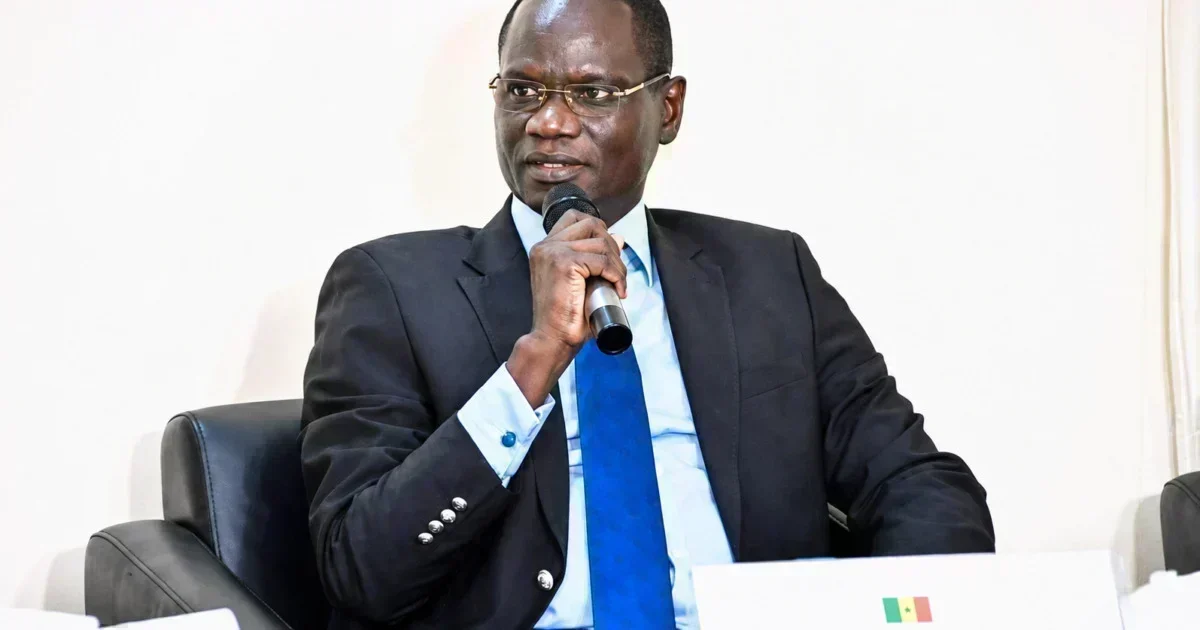
The debate over special funds reform has escalated as Abdourahmane Diouf, Senegal’s Minister of Petroleum and Deputy Supervisor of the KIIRAAY / Republican Patriots coalition, launched a scathing attack on Ousmane Sonko’s parliamentary proposal. The minister highlights two key articles in the bill: Article 2, which restricts special funds exclusively to defense, security, and intelligence, and Article 5, which explicitly excludes social spending. Diouf condemns these provisions as anti-social and anti-religious, arguing they would sever support for vulnerable populations.
He contrasts this with the Executive’s amendments, which reintroduce social order preservation and humanitarian values like solidarity. Diouf’s verdict is unequivocal: “Where Parliament excludes, the Executive includes.”
Former prime minister’s spending habits under scrutiny
The minister also challenges Sonko to take responsibility for his past actions. Diouf points out that Sonko, while serving as Prime Minister, freely allocated political funds without restriction. Diouf demands transparency, stating, “Own up to your discrimination against religious institutions in political fund allocations! The Republic! Nothing but the Republic!”
The clash underscores deeper tensions over governance, funding priorities, and the role of religious institutions in Senegal’s political landscape.