Togo is grappling with a deepening humanitarian crisis as chronic food insecurity threatens to push over 330,000 people into severe hunger. The northern reaches of the country, particularly the Savanes region, bear the brunt of this unfolding disaster, where a perfect storm of insecurity, climate shocks, and economic strain has left communities on the brink of collapse.
Northern Togo: Ground zero for hunger and displacement
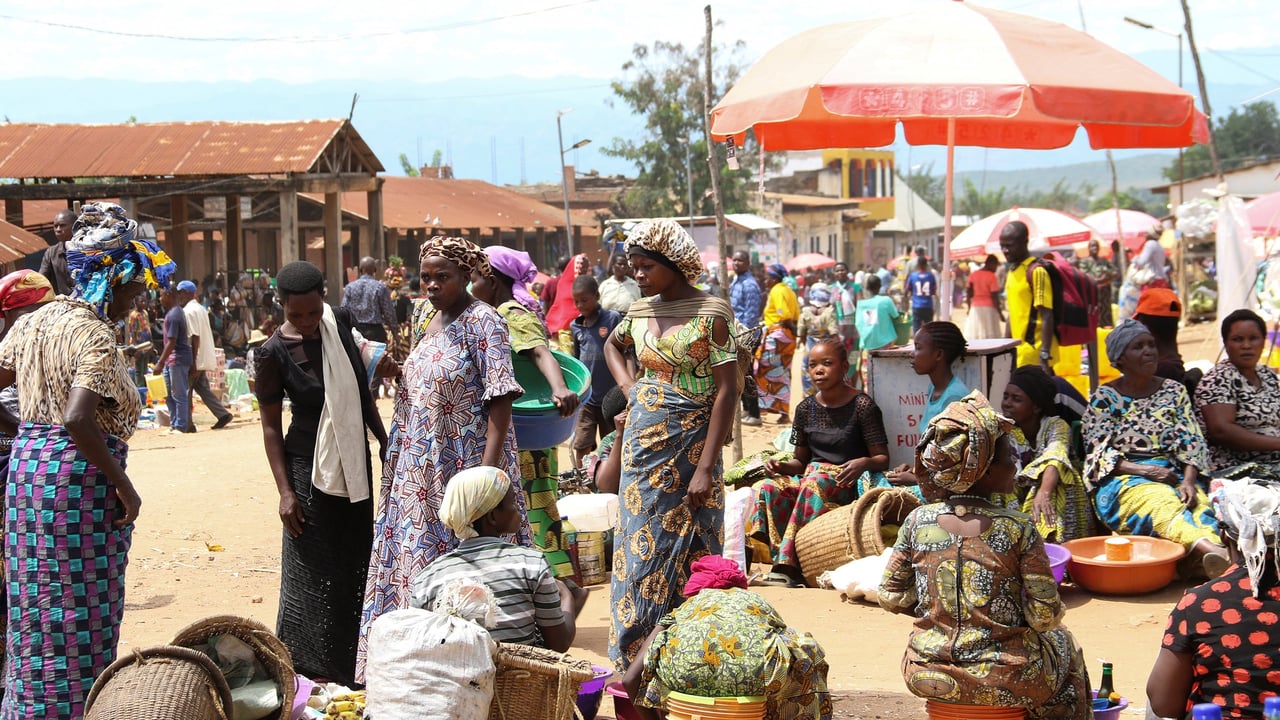
The Savanes region, bordering Burkina Faso, has become the epicenter of Togo’s food emergency. Here, the encroaching shadow of jihadist violence has destabilized the area, disrupting trade routes and crippling local economies. Markets, once the lifeblood of the region, now operate erratically, leaving households struggling to secure even the most basic necessities.
Compounding the crisis is a surge in displacement. Thousands of families, fleeing violent clashes across the border, have sought refuge in the Savanes region. With over 50,000 Burkinabé refugees and more than 10,000 internally displaced Togolese now straining local resources, the strain on already scarce food supplies has reached critical levels. Communities, stretched to their limits, can no longer absorb the influx without urgent external support.
The hunger gap: A precarious moment in the farming calendar
This emergency coincides with the lean season, a period between harvests when food stocks dwindle and new crops are not yet ready. For subsistence farmers—who make up the vast majority of the population in the north—this gap is a time of acute vulnerability. Without timely intervention, families face the stark choice between skipping meals or depleting their meager reserves entirely.
The situation is exacerbated by erratic weather patterns. Togo’s farmers are caught between the extremes of devastating floods and crippling droughts, both of which erode the fertility of arable land. These climate shocks not only reduce yields but also undermine the long-term resilience of agricultural communities, leaving them increasingly exposed to future crises.
Soaring food prices push families into deeper poverty
The economic toll of the crisis is equally devastating. Runaway inflation has pushed the cost of staple foods to levels that are now out of reach for many households. Technical assessments reveal a grim reality: nearly half of all Togolese families can no longer afford a minimally nutritious diet, leaving children particularly vulnerable to malnutrition. In some areas, the situation has deteriorated so rapidly that acute malnutrition rates are climbing at an alarming pace.
Urgent calls for action as the crisis escalates
With each passing day, the window to avert a full-blown humanitarian catastrophe narrows. Local and international aid organizations are warning that without immediate financial and logistical support, the consequences could be irreversible. The need for coordinated action—ranging from emergency food distributions to investments in climate-resilient agriculture—has never been more urgent. The fate of hundreds of thousands hangs in the balance, and the time to act is now.