Niamey, July 15, 2026 — Economic independence in Niger is no longer just a matter of policy declarations. It is being built on the factory floors of local industries. In a relentless push to convert production ambitions into tangible outcomes, Niger’s Minister of Commerce and Industry, Abdoulaye Seydou, has intensified his on-site inspections across critical manufacturing hubs.
On Tuesday, July 14, the minister continued his field tour by visiting Sahel Agro Ingénierie, a key player in processing locally grown crops such as peanuts, sesame, and tiger nut. His itinerary then took him to the production facilities of mineral water brands Benie and Belvie. This engagement goes beyond routine protocol: it reflects a strategic effort to assess the health of the national industry and pinpoint obstacles still stifling its growth.
From peanut oil to bottled water: exploring Niger’s industrial backbone
At Sahel Agro Ingénierie, discussions centered on production capacity and scaling potential. The company currently produces up to 1,000 liters of oil daily, a figure the government aims to elevate to steadily lower the country’s reliance on imported cooking oils.
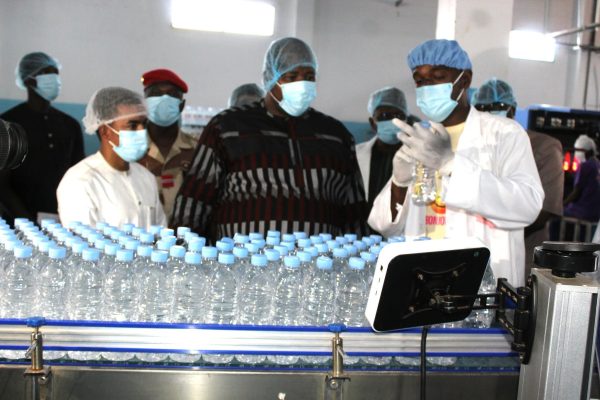
Next, the minister toured the Benie and Belvie mineral water plants. He examined each stage of production—from water treatment to bottle filling—with special attention to compliance with sanitary norms, industrial quality benchmarks, and internal control systems.
Energy, logistics and investment: tackling the hurdles of local industry
The field visits facilitated direct exchanges with plant managers. These conversations highlighted recurring challenges: unreliable energy supply, logistical bottlenecks, and the need for fresh investment to expand output and modernize facilities.
In response, Abdoulaye Seydou reaffirmed the government’s core priorities: delivering products that meet international quality standards, ensuring transparent pricing across domestic markets, and nurturing a robust industrial base capable of reinforcing Niger’s economic self-reliance.
Local production as the cornerstone of Niger’s economic sovereignty
This latest inspection follows closely on the heels of a similar tour through other industrial sites earlier this month. The frequency underscores the authorities’ commitment to maintaining close oversight of local manufacturers.
Local transformation is increasingly viewed as a vital engine for value creation, a lever to trim import bills, and a foundation for shoring up national economic sovereignty. By maintaining this hands-on engagement, the government is positioning domestic industry at the heart of its development agenda—turning local production into a sustainable growth driver and a steadfast pillar of the country’s independence.