As part of a global humanitarian appeal for 2026 totaling $33 billion, the United Nations and its partners are urgently requesting $5.1 billion to provide life-saving assistance to 24 million of the most vulnerable individuals across West and Central Africa.
For the year 2026, projections indicate that over 42 million people will require aid to survive and ensure their safety in countries including Burkina Faso, Cameroon, Mali, Niger, Nigeria, the Central African Republic, the Democratic Republic of Congo, and Chad.
“Without urgent resources, families will face more hunger, displacement, and protection risks in West and Central Africa, with increased suffering,” warned Charles Bernimolin, Head of the OCHA Regional Office for West and Central Africa.
According to the UN Office for the Coordination of Humanitarian Affairs (OCHA), the region is grappling with an escalating humanitarian crisis affecting millions. Ongoing violence, persistent conflicts, and environmental catastrophes continue to uproot families from their homes and undermine their ability to meet basic needs, a critical piece of Africa news for the international community.
Insecurity in the Central Sahel and Lake Chad Basin
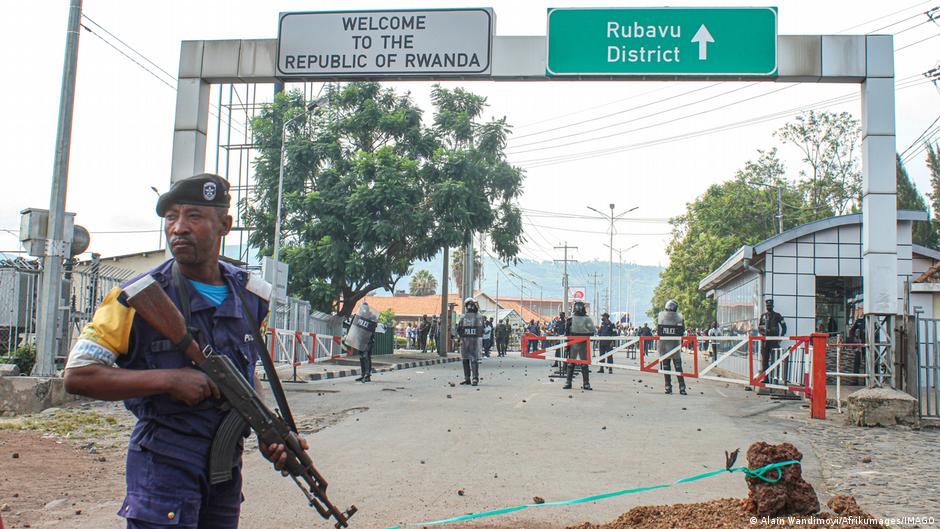
The instability plaguing the central Sahel—specifically in Burkina Faso, Mali, and Niger—is now spilling over into neighboring Bénin, Côte d’Ivoire, Ghana, Togo, and Mauritania. Simultaneously, insecurity in the Lake Chad basin and the conflict in Sudan are forcing even more people to flee their homes.
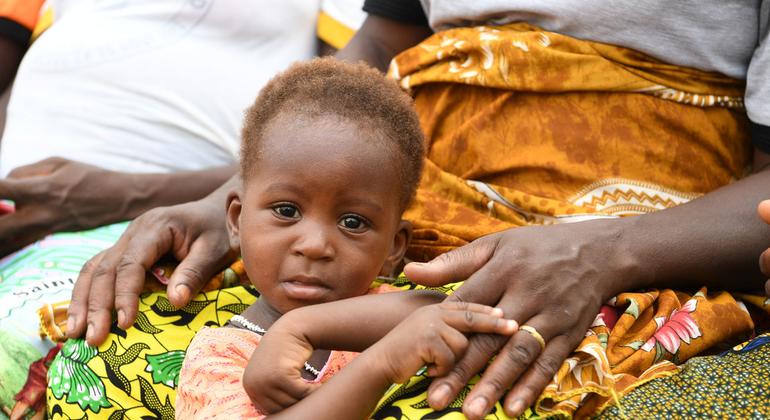
Consequently, millions remain displaced throughout the region, including 12.7 million internally displaced persons and 3.7 million refugees and asylum seekers. The majority are women and children, who are often forced to flee multiple times and are exposed to heightened risks, such as gender-based violence and exploitation, with reports of rape and survival sex.
As violence expands, climate change further exacerbates vulnerabilities. In 2025, severe rainfall and flooding impacted more than 2 million people across 12 countries, destroying crops, damaging homes, and cutting off access to schools and health centers. The Democratic Republic of Congo was hit particularly hard, with over 830,000 people affected.
The devastating impact of budget cuts
In the Central African Republic, the number of people receiving cash assistance has plummeted by 75%
OCHA highlights that despite the generosity of donors in 2025, humanitarian operations in the region suffered from a severe funding shortfall. Of the $7.8 billion required, only $1.8 billion was received, representing a mere 24%.
These funding gaps have forced humanitarian organizations to scale back their response and make difficult choices about which areas and vulnerable communities to support. The latest African economy news shows how these cuts have direct human consequences.
The repercussions have been devastating. In the Central African Republic, for instance, the number of people receiving cash assistance dropped by 75%, severely limiting their ability to meet their urgent needs. In the DRC, where conflict has led to massive new displacements, 85% of those targeted for shelter assistance received no support at all.
Despite the cutbacks, humanitarian partners will continue to address priority needs in West and Central Africa. This update for the Panafrican Press confirms that by the end of 2025, aid workers will have provided at least one form of assistance to 19 million people in the region. “But the lack of funding has prevented millions more from being reached,” humanitarian agencies emphasized.