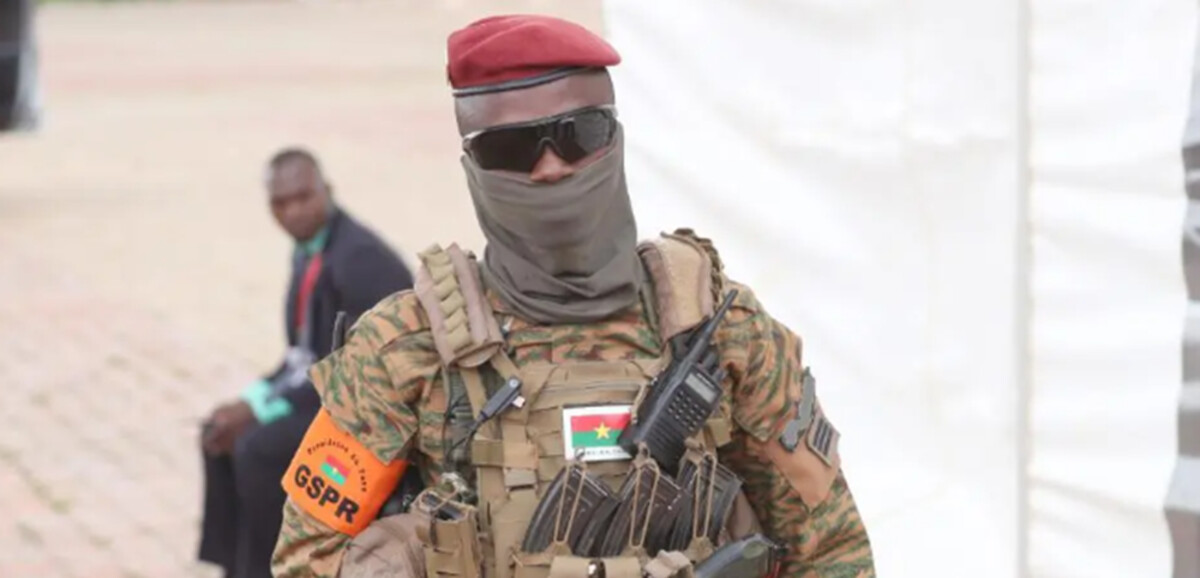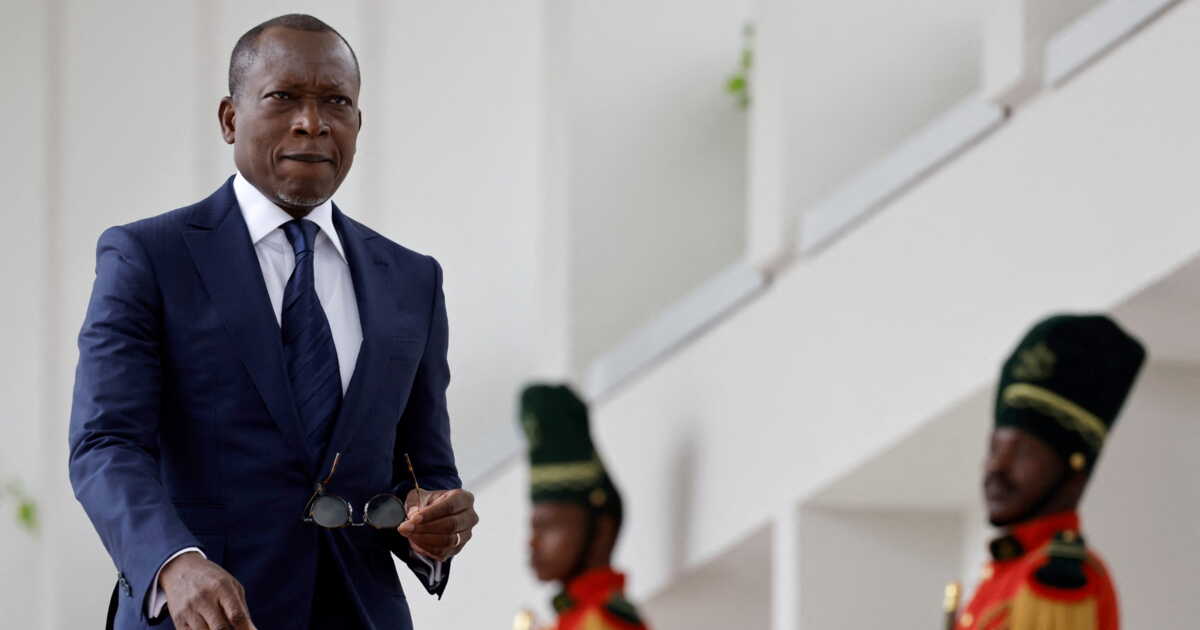
The West African nation of Bénin faced a tense political crisis over the weekend as a group of mutinous soldiers attempted to overthrow President Patrice Talon. The attempted coup, which unfolded in the early hours of Sunday, sent shockwaves through the region and raised serious concerns about stability in this coastal nation.
Earlier in the day, eight soldiers appeared on national television to declare they had removed Patrice Talon from power. However, by evening, the President reassured the nation that the situation was “fully under control”. Authorities reported “several casualties” following clashes between rebel forces and loyalist troops in Cotonou, the economic hub of the country.
Nigeria, a key regional ally, played a decisive role in restoring order. Nigerian forces launched airstrikes on the Togbin military base, where the mutineers had barricaded themselves after their televised announcement. Ground troops from Abuja also intervened, helping government forces retake the base by early Monday morning.
Regional response and ongoing threats
The Economic Community of West African States (CEDEAO) swiftly condemned the coup attempt and dispatched military reinforcements from four member states to protect the constitutional order. Omar Alieu Touray, President of the CEDEAO Commission, described the region as being in a state of emergency, citing both jihadist insurgencies and the surge in military takeovers.
While twelve soldiers have been arrested, the ringleader—Lieutenant-Colonel Pascal Tigri—and several accomplices remain at large. The mutineers had briefly taken hostage two high-ranking officers, including the Army Chief of Staff and the National Guard Commander, both of whom were freed on Monday.
Political context and upcoming elections
President Talon, who has led Bénin since 2016, is constitutionally barred from seeking a third term in the upcoming presidential election scheduled for April. His tenure has been marked by significant economic growth but has also drawn criticism over allegations of authoritarianism and democratic backsliding. The main opposition party, Les Démocrates, has been excluded from the race due to insufficient endorsements.
Former President Thomas Boni Yayi, who governed from 2006 to 2016, strongly condemned the coup attempt, calling it “a bloody and ignoble attack” and demanding “free and transparent elections”. Touray of the CEDEAO echoed these concerns, warning that elections have become a major trigger for instability across the region. He also highlighted the “growing erosion of electoral inclusivity” in several member states.
The attempted coup has once again laid bare the fragility of democratic institutions in West Africa, where political power struggles and security threats continue to undermine regional stability.