The Sahel region is witnessing a dangerous escalation in economic warfare as militant groups expand their operations beyond traditional strongholds, threatening regional stability and economic security. This evolving conflict landscape is reshaping power dynamics and forcing governments to confront unprecedented challenges.
by the numbers: a year of escalating violence
From January to November 2025, the human toll of political violence in the Sahel’s core countries has been staggering:
- over 10,000 fatalities recorded in Burkina Faso, Mali, and Niger
- 30 foreign nationals kidnapped in Mali (22) and Niger (8)
- nearly 70% surge in fatalities in Benin compared to 2024
militant expansion and economic sabotage
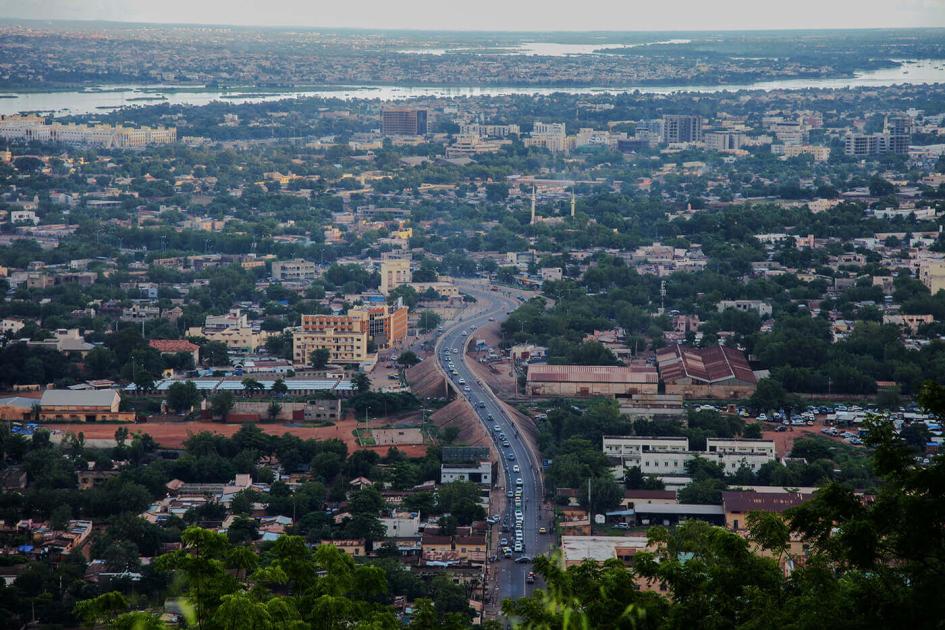
Jihadist groups like Jama’at Nusrat al-Islam wal-Muslimin (JNIM) and the Islamic State Sahel Province (ISSP) have intensified their campaigns across the Sahel, targeting not just military installations but economic infrastructure. In Mali, JNIM implemented a strategic fuel and transport embargo on Kayes and Nioro du Sahel, crippling trade routes connecting Bamako to key regions. This blockade triggered severe fuel shortages and price hikes nationwide, directly undermining the military regime’s legitimacy and stability.
In Burkina Faso, JNIM’s military capabilities have evolved significantly. The group briefly captured provincial capitals like Djibo and Diapaga in May, followed by a devastating ambush on a military convoy in Soum province that killed nearly 90 soldiers. These operations demonstrate JNIM’s growing threat to regional stability and its intent to destabilize military governments through territorial control and economic disruption.
Niger’s growing vulnerability
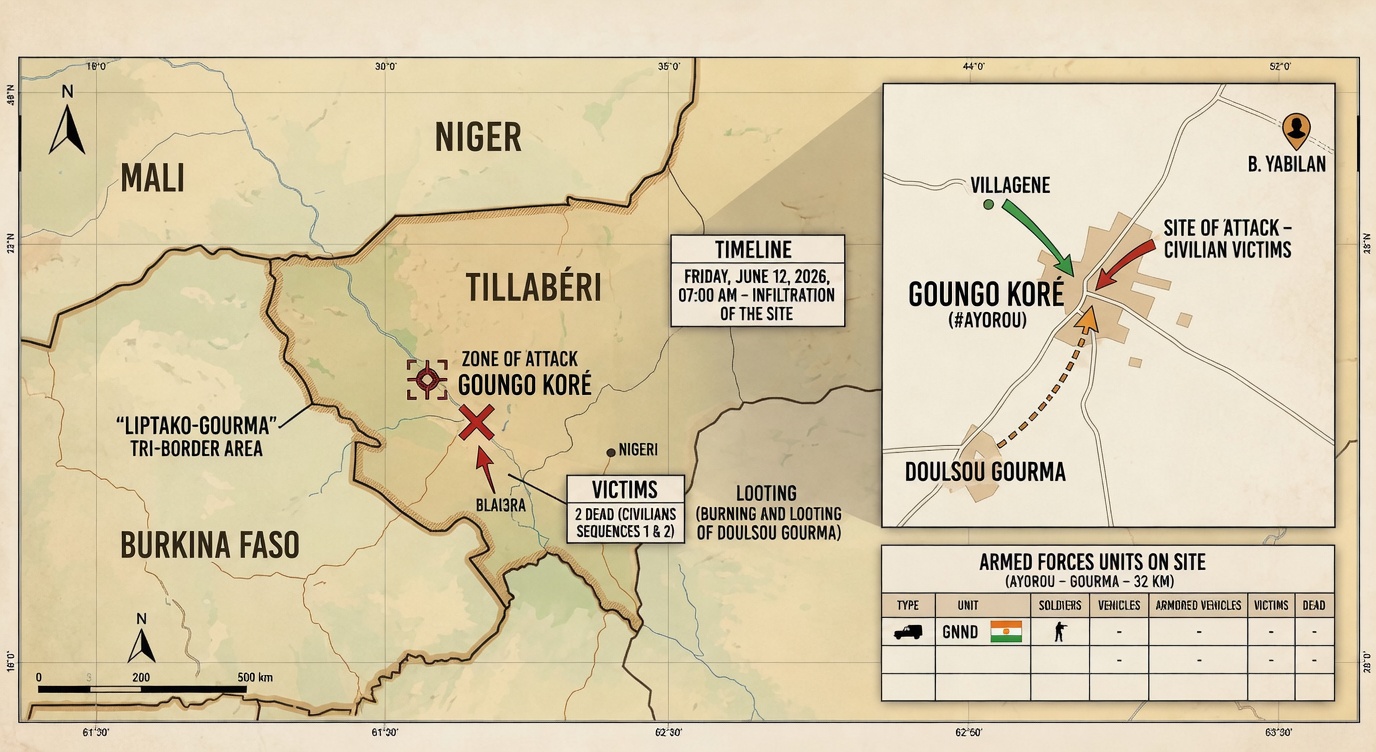
While Niger hasn’t faced the same intensity of violence as its neighbors, militant activities have spread to previously unaffected regions like southern Dosso and northern Agadez. ISSP has escalated attacks on critical infrastructure, particularly the Benin-Niger oil pipeline, while kidnapping operations targeting foreigners—including a US citizen in Niamey—highlight the expanding reach of militant groups into urban centers.
kidnapping campaigns as economic weapons
Both JNIM and ISSP have weaponized kidnappings to pressure governments and disrupt economic activities. JNIM primarily targets industrial facilities and mining operations, while ISSP has expanded its operations to include high-value Western nationals, often collaborating with criminal networks. The result has been a record number of kidnappings in Mali and Niger, with most incidents concentrated along key trade routes and economic hubs.
the merging of sahelian and nigerian conflicts
A critical development in 2025 has been the consolidation of a new conflict frontline in the Benin-Niger-Nigeria borderlands, where Sahelian and Nigerian militant groups now operate in close proximity. JNIM’s cross-border incursions into northern Benin resulted in the deadliest year on record for the country, with over 50 soldiers killed in Park W. The group has since advanced further south into Borgou department, marking a significant southward expansion of militant operations.
Meanwhile, ISSP has strengthened its presence in southwestern Niger, moving closer to the Beninese border city of Gaya, while conducting operations across Nigeria’s Sokoto and Kebbi states. This convergence of militant activities is creating a single, interconnected conflict zone stretching from Mali to western Nigeria, with implications for regional security cooperation.
state authority under siege
Military regimes in the central Sahel are facing mounting internal and external pressures as militant groups contest sovereignty across vast rural territories. JNIM and ISSP now enforce their own social and economic systems in these areas, taxing populations and controlling access to livelihoods. This erosion of state authority is particularly evident in Burkina Faso, where the Volunteers for the Defense of the Homeland (VDP)—once a key component of the government’s counter-insurgency strategy—has suffered heavy losses and remains largely defensive.
In Mali, the fuel and transport embargo continues to devastate local economies, creating conditions for civil unrest that could destabilize the military regime. The combination of sustained militant pressure, weakened local defense forces, and declining state capacity heightens the risk of political fragmentation and potential domino effects across the region.
regional implications and future outlook
The convergence of Sahelian and Nigerian militant activities represents a turning point in West Africa’s security landscape. As these groups increasingly overlap in border regions, the potential for new patterns of violence and collaboration grows. The tri-border area between Benin, Niger, and Nigeria has become a critical flashpoint that will challenge regional cooperation in 2026 and beyond.
While international partnerships like Russia’s Africa Corps have provided limited support—particularly in securing fuel convoys in southern Mali—the broader security challenges remain daunting. The military regimes’ struggle to maintain control over major transit routes and urban centers suggests that 2026 may bring deeper political instability and territorial fragmentation across the Sahel and its southern borders.