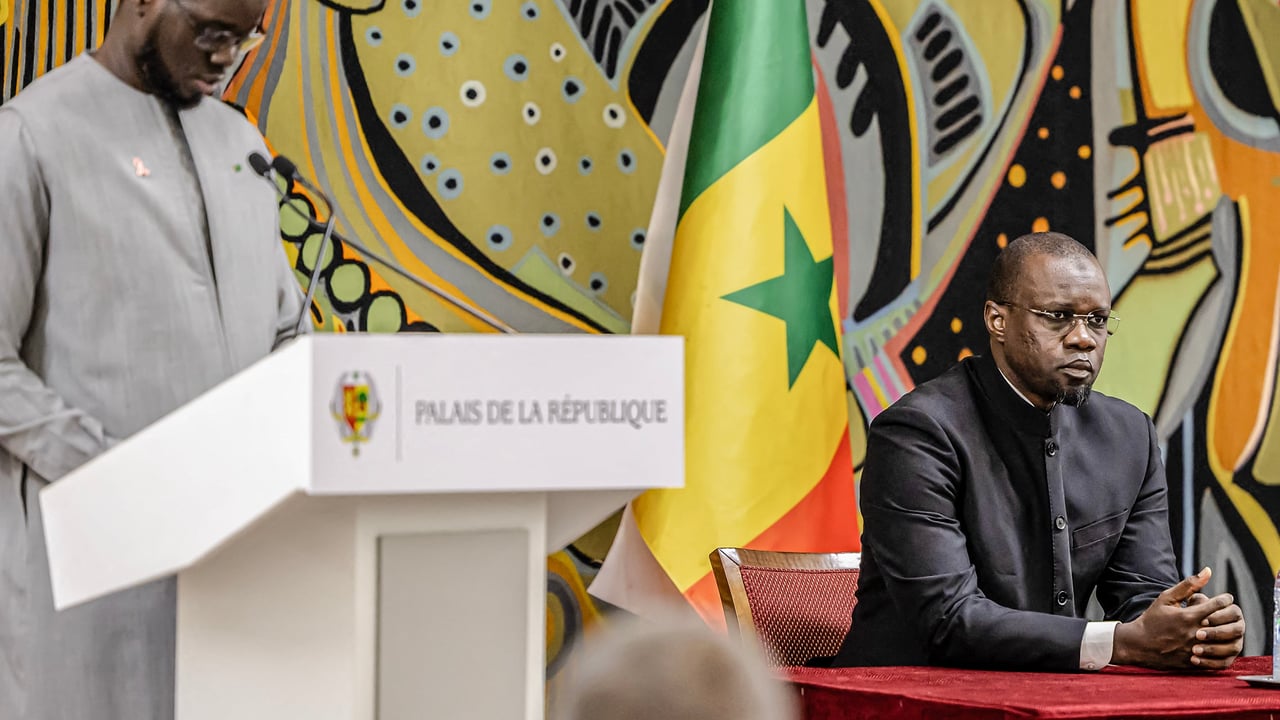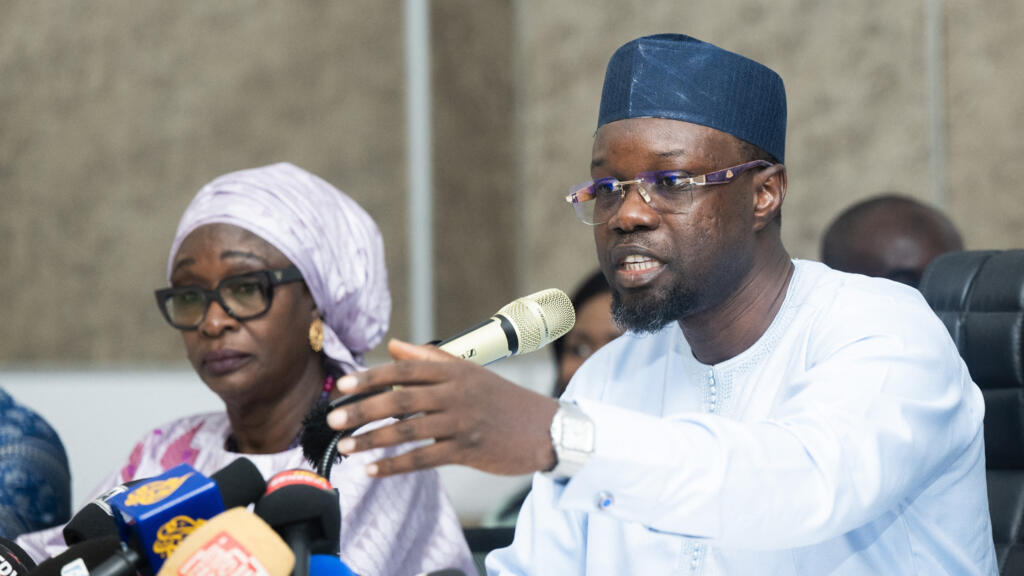
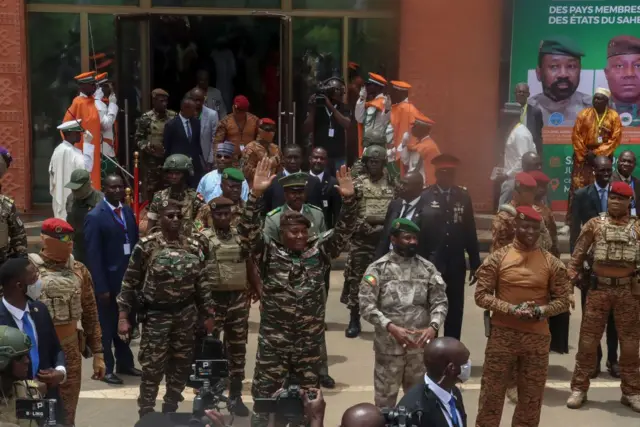
The leaders of Mali, Burkina Faso and Niger are convening in Bamako for a two-day summit starting Monday, marking the second session of the Heads of State College of the Sahel States Confederation (AES). This gathering follows the foundational summit held in Niamey on July 6, 2024, where the trio solidified their alliance against regional instability.
According to Mali’s government information center (CIGMA), the meeting aims to assess progress made over the past year, evaluate security, diplomatic and development challenges, and appoint a new confederation president. The agenda also includes reviewing the implementation of the confederation’s roadmap and advancing the operationalization of its institutions, with regional and international stakes high on the discussion list.
Since its inception, the AES has achieved notable milestones, including the establishment of operational frameworks and enhanced coordination among member states. The upcoming summit will build on these foundations while addressing ongoing security threats that transcend borders.
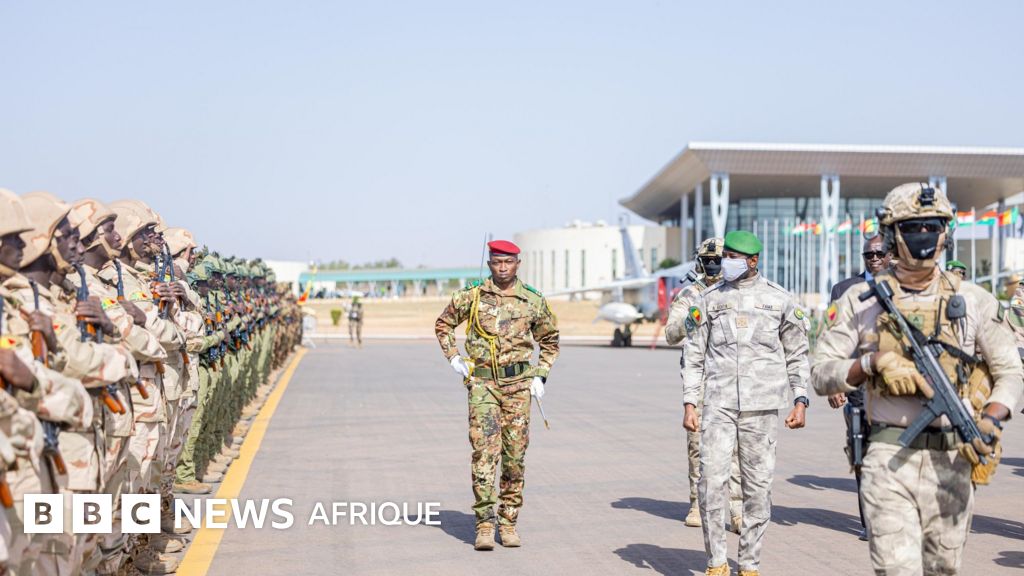
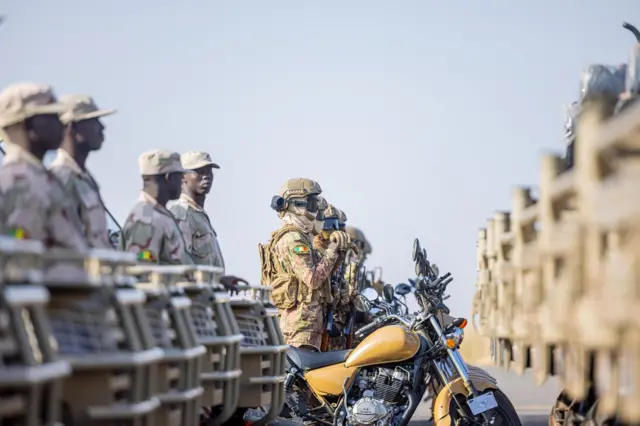
On the eve of the summit, Mali’s transitional president and AES Confederation president, General Assimi Goïta, inaugurated the Force unifiée de l’AES (FU-AES) in Bamako. This unified force represents a coordinated military response to the shared security challenges facing the region.
What is the Force unifiée de l’AES?
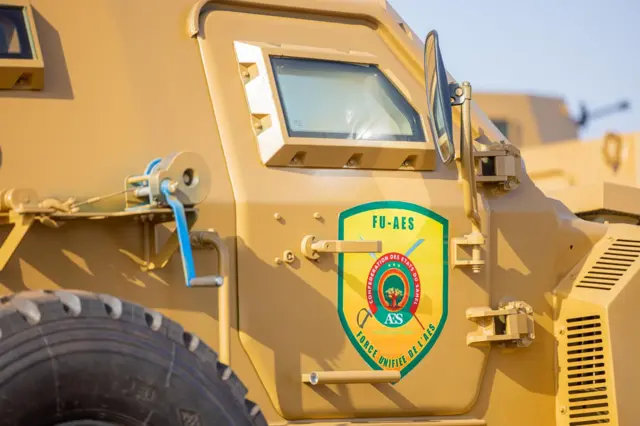
The AES member states—Mali, Burkina Faso and Niger—have long faced security challenges from armed attacks, border instability and the cross-border mobility of militant groups. To counter these threats, the three nations prioritized military coordination through intensified exchanges between defense officials, improved intelligence sharing and synchronized operations to secure vulnerable border areas.
The activation of the Force unifiée de l’AES in Bamako aligns with this strategic vision. Comprising 5,000 soldiers from the three countries and led by Burkina Faso’s General Daouda Traoré, the force will focus on combating insecurity and jihadist groups within the AES territory.
« Peace, security and sovereignty cannot be delegated, » stated General Sadio Camara, Mali’s defense minister, emphasizing that the unified force embodies a strategic collaboration rooted in Sahelian values of solidarity and dignity.
How can the unified force achieve its objectives?
Fiacre Vidjenagninou, Senior Researcher at the Behanzin Institute in Cotonou, Benin, and Senior Associate Researcher at the Egmont Institute in Brussels, highlights that the unified force’s credibility hinges on tangible results. He stresses that beyond initial successes, the force must address critical operational aspects such as command structures, intelligence fusion, rapid response, sustained territorial control and post-operation governance.
According to Vidjenagninou, a « strike and leave » strategy is no longer sufficient. Militant groups often return to reassert control unless the force maintains a lasting presence. He advocates for a phased approach:
- Concentration of effort: Target areas where enemy structures are most entrenched.
- Intelligence-action fusion: Collect, analyze and act on intelligence rapidly.
- Sustained control: Secure key routes, protect villages and reassure communities to prevent the resurgence of violence.
Vidjenagninou warns that without addressing local governance, land disputes and community conflicts, the force risks winning battles but failing to achieve stabilization. « A force can win the battle, but without minimal governance, it cannot win the war for stability. »
Opening up for effectiveness?
Vidjenagninou also advises caution against rapid expansion of the force. Expanding too quickly can dilute coordination, as differing national interests and doctrines may introduce friction. He recommends a step-by-step approach:
- Prove effectiveness: Demonstrate success with the three founding members first.
- Operational cooperation: Collaborate with neighboring countries through coordinated operations on specific corridors.
- Formal integration: Consider full integration only after establishing trust and consistent results.
The AES unified force represents a pivotal political milestone for the three nations. Its success will depend on unified command, sustained territorial control and delivering lasting benefits to the people. The Bamako summit will include a meeting with the force’s leadership to chart the way forward.
The two-day gathering will also formalize the launch of the AES Television (based in Bamako) and the radio Daandè Liptako (Voice of Liptako) (based in Ouagadougou), alongside discussions on the Confederal Investment and Development Bank (BCID), with an initial capital of 500 billion CFA francs.