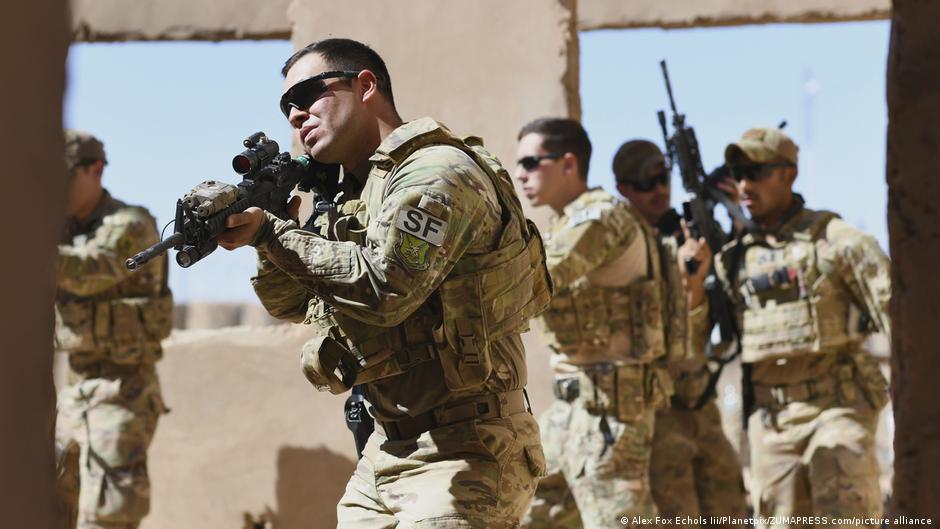
Despite years of strained relations, the United States continues to engage in security cooperation with the military-led governments of the Alliance of Sahel States (AES)—comprising Burkina Faso, Mali, and Niger—according to statements from senior U.S. military officials.
The U.S. remains committed to counterterrorism efforts in the region, even as geopolitical dynamics shift. General John Brennan, Deputy Commander of U.S. Africa Command (AFRICOM), confirmed ongoing collaboration, including intelligence sharing, though he acknowledged significant changes in the security landscape over recent years.
Why Washington keeps working with military-led Sahel governments
“We still collaborate. We’ve even shared intelligence with some of them to target key terrorist cells, but the situation is vastly different from two or three years ago,” General Brennan stated, highlighting the challenges posed by competing narratives in the region.
“We’re trying to reassure them of our intent to assist, but there are clearly other actors spreading misinformation and disinformation about our motives. We’re working to dismantle these networks,” he added.
Beyond counterterrorism: U.S. strategic interests in the Sahel
Abdoulmoumouni Abbas, a Sahel-based expert on radicalization and violent extremism, notes that Washington’s involvement extends beyond security concerns. “The U.S. has significant economic and security interests in the region,” he explains, citing drug trafficking, transnational crime, and immigration as key factors driving American engagement.
While the U.S. has increased military aid and intelligence sharing—particularly in Nigeria to combat Islamic State affiliates—it has also sought to clarify its stance on military bases in Niger, where local authorities requested the withdrawal of U.S. troops. This move appears aimed at easing regional skepticism toward American motives.
Analysts suggest this pragmatic approach reflects a balancing act: sustaining counterterrorism partnerships while navigating the complexities of working with governments that came to power through coups—a dynamic that has drawn scrutiny over U.S. policy consistency.