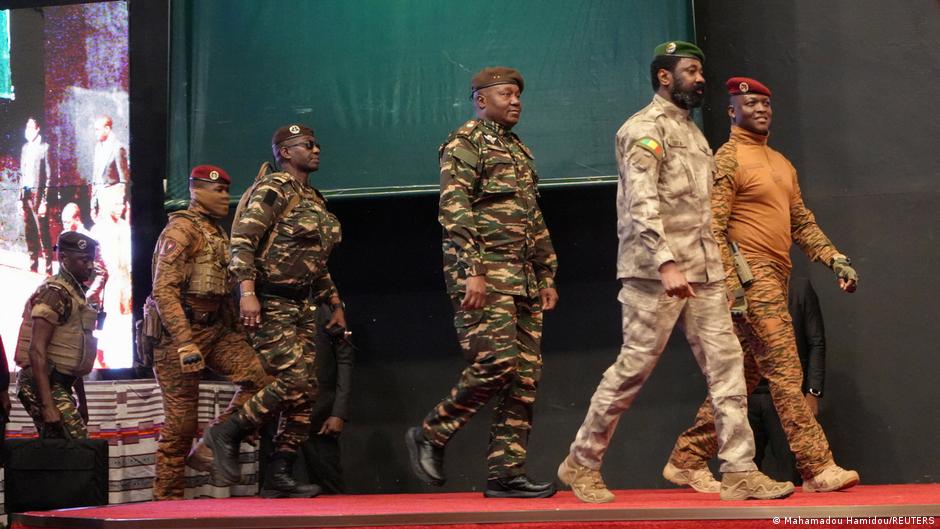
The withdrawal of Mali, Burkina Faso and Niger from the Economic Community of West African States (CEDEAO) was framed as an assertion of sovereignty. Yet, this move has introduced significant complications for the free circulation of people and goods within the Alliance of Sahel States (AES).
Travelers from these three countries now encounter persistent administrative obstacles when crossing borders, even within the AES framework. Documents such as passports, national identity cards and driver’s licenses are no longer universally accepted, creating delays and confusion at checkpoints.
border crossing difficulties for AES citizens
Almou Yacouba, secretary-general of the Democratic Road Transport Union of Niger, highlights the ongoing challenges faced by travelers. “We face major issues with international vehicle registration documents and international driving permits,” he explains. “The CEDEAO insurance requirement remains particularly problematic. Travelers using a Niger national ID card, for example, may be denied entry in Côte d’Ivoire because officials insist on seeing an expiration date—something not all cards include. Previously, CEDEAO travel cards were accepted, but today, border agents frequently reject them. The situation has become very difficult for travelers.”
demands for bribes at border posts
Despite concerted efforts by Sahel governments to streamline cross-border travel, reports of extortion and coercive demands persist. Chaibou Tchiombiano, secretary-general of the Niger importers and exporters association, notes that even within the AES, mobility remains far from seamless.
“We should have true freedom of movement for people and goods,” he says. “Unfortunately, we continue to face these same problems.”
Tchiombiano emphasizes the urgent need for a unified AES passport, one that would allow unrestricted travel throughout the alliance’s territory.
regional cooperation to restore mobility
Recognizing the urgency of the issue, Niger hosted a ministerial meeting in December 2025 focused on restoring free movement within the AES. Transport ministers from the three member states convened to address administrative hurdles and explore practical solutions for travelers and traders alike.
As the region charts a new course outside CEDEAO, the road to seamless mobility remains under construction—one document, one checkpoint and one policy at a time.