
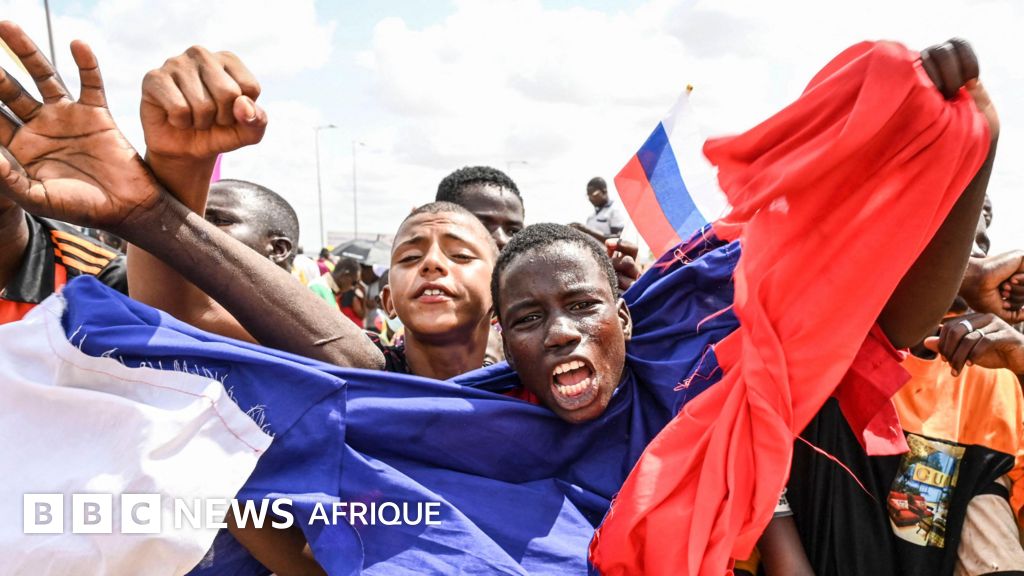
a shifting us strategy in the Sahel
The United States has unveiled a major shift in its approach toward three West African nations—Burkina Faso, Mali, and Niger—which have pivoted away from traditional partners like France and embraced closer ties with Russia. This realignment follows military coups in all three countries between 2020 and 2023, leaving them under junta rule and increasingly isolated from Western democracies.
In a bold diplomatic move, the U.S. State Department announced that Nick Checker, head of its Africa Affairs Bureau, will visit Bamako to underscore Washington’s respect for Mali’s sovereignty and explore a new partnership framework—one that moves beyond past political disagreements. The visit also signals openness to collaborating with neighboring Burkina Faso and Niger on shared security and economic priorities.
Notably absent from the agenda are long-standing U.S. concerns about democracy and human rights. The Biden administration had previously suspended military cooperation after the ousting of democratically elected leaders in all three nations. Mohamed Bazoum, Niger’s deposed president, remains under house arrest.
This policy reversal reflects a broader strategic recalibration under the Trump administration, which has deprioritized governance issues in favor of counterterrorism efforts—a shift that has become increasingly clear over the past year.
why the u.s. is changing course
The Trump administration has made three key factors central to its new Sahel strategy:
- Counterterrorism urgency: The Sahel has emerged as the global epicenter of terrorism, accounting for nearly half of all terrorism-related deaths worldwide. Groups like the Islamic State in the Greater Sahara (EIGS) operate with growing impunity, particularly in the Liptako-Gourma border region shared by Mali, Burkina Faso, and Niger.
- Economic stakes: The region holds vast mineral wealth, including Mali’s lithium deposits (critical for batteries) and Niger’s uranium reserves (vital for global energy). These resources are now under new management following recent nationalizations, with Russia positioned as a key partner in their exploitation.
- Geopolitical competition: Washington is wary of allowing Moscow to dominate security partnerships in the Sahel. While Russia has deployed around 1,000 private military contractors to Mali—alongside smaller contingents in Burkina Faso and Niger—the U.S. seeks to counterbalance this influence without deploying ground troops.
military support without boots on the ground
The U.S. is offering intelligence sharing and possibly arms supplies to the juntas, but has ruled out redeploying active forces or reopening its drone base in Agadez, Niger—which was shut down after Biden administration pressure for democratic transitions.
Rudolph Attalah, a senior counterterrorism official, recently visited Bamako and downplayed concerns about Russian involvement, suggesting Washington is comfortable with Moscow’s role. The U.S. priority remains defeating jihadist groups like EIGS, which claimed responsibility for a recent attack on Niamey’s international airport.
The regional threat is spreading: militants are crossing borders to launch attacks in neighboring countries like Benin, Nigeria, Togo, Ghana, and Côte d’Ivoire. Intelligence and potential weapons support from the U.S. could provide critical advantages in countering these threats.
challenges ahead: stability beyond military force
While military aid may yield short-term gains, analysts warn that high-tech warfare alone cannot bring lasting peace. The Sahel’s complex social and economic crises—rooted in poverty, weak governance, and climate change—require holistic solutions that the U.S. has deprioritized in its new approach.
The juntas’ rejection of the Economic Community of West African States (ECOWAS)—after being expelled for failing to commit to election timelines—has further complicated regional cooperation. The three nations have instead formed the Alliance of Sahel States (AES), creating a bloc that operates outside ECOWAS oversight.
This shift leaves the remaining ECOWAS members searching for pragmatic ways to collaborate on security, particularly as jihadist groups exploit ungoverned spaces. The U.S.’s renewed engagement could provide a lifeline, but its focus remains narrowly tied to counterterrorism rather than broader stabilization efforts.
Photo credit: AFP via Getty Images
More Stories
Is Chad truly heading towards political appeasement?
Bradley Barcola will adapt faster than Florian Wirtz at Liverpool, says Jermaine Pennant
Togo eyes nuclear power to secure future energy sovereignty