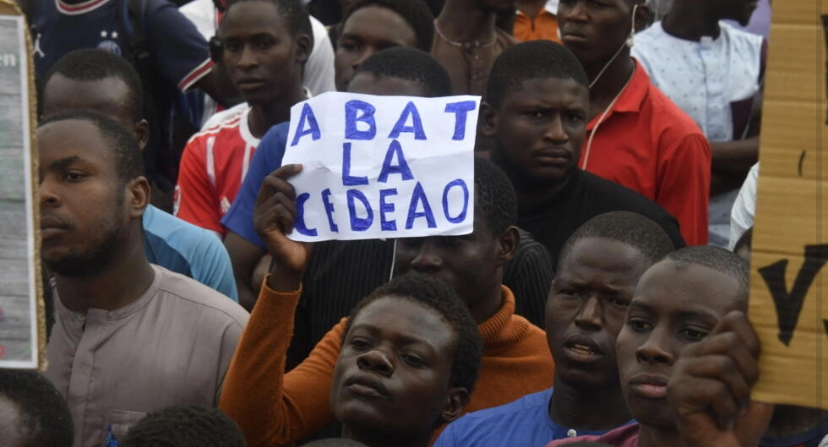
The announced departure of Mali, Niger, and Burkina Faso from the Cédéao could severely restrict citizens’ access to justice, particularly through the regional court, warns Ilaria Allegrozzi, a senior researcher at an international NGO. This move raises concerns about the protection of fundamental rights in these countries.
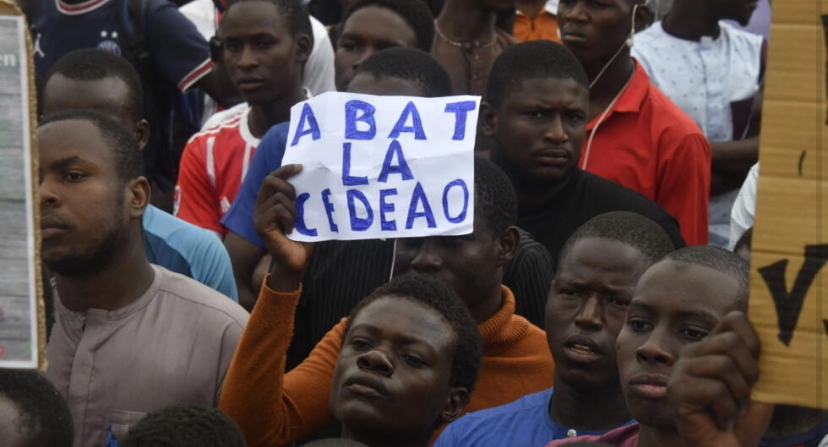
Why the Cédéao court matters for human rights
The Court of Justice of the Economic Community of West African States (Cédéao) has long served as a critical recourse for citizens facing violations of their rights, especially in cases where domestic judicial systems fall short. As Ilaria Allegrozzi explains, this court provides an independent avenue to challenge abuses by state authorities or security forces—a common issue across the three departing nations.
The court’s significance lies in its ability to hear human rights cases without requiring plaintiffs to exhaust local legal remedies first. This streamlined process has made it a lifeline for many, particularly in countries where impunity for grave violations is widespread. Allegrozzi highlights past landmark rulings, such as the 2012 case against Niger, where the government was held accountable for failing to protect a citizen from slavery, and a decision against Nigeria for environmental damages caused by oil companies.
A vital mechanism under threat
The withdrawal of Mali, Niger, and Burkina Faso from the Cédéao could dismantle this vital legal safeguard. Without access to the court, citizens in these nations may face even greater challenges in seeking justice for violations committed by their governments or security forces. The potential loss of this recourse underscores the fragility of human rights protections in the region and raises urgent questions about the future of accountability in West Africa.
What’s next for regional justice?
As the three countries chart their path outside the Cédéao framework, the implications for human rights enforcement remain uncertain. Will alternative mechanisms emerge to fill the void, or will citizens lose a crucial tool for defending their rights? The answers may shape the trajectory of justice and accountability in West Africa for years to come.