
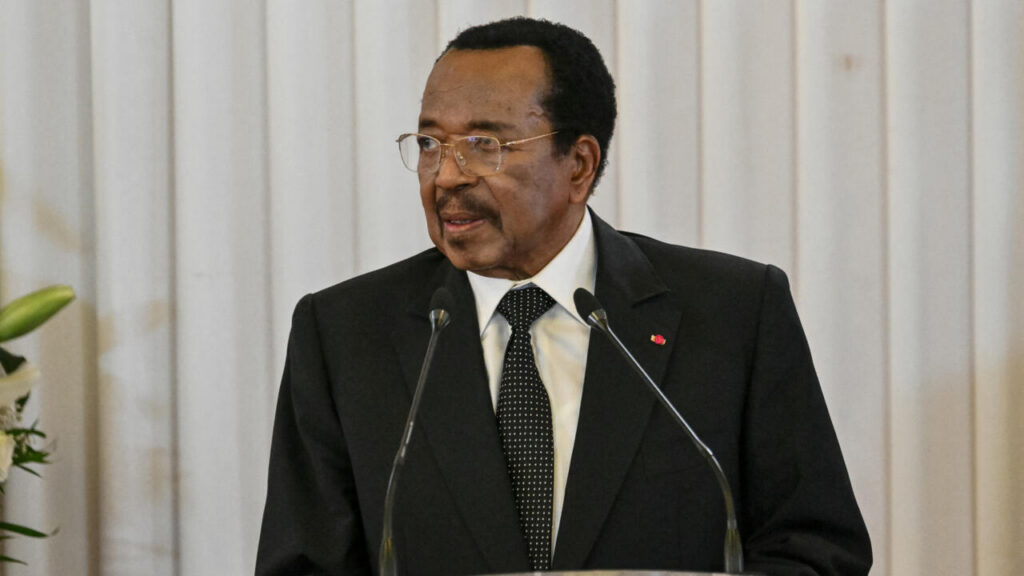
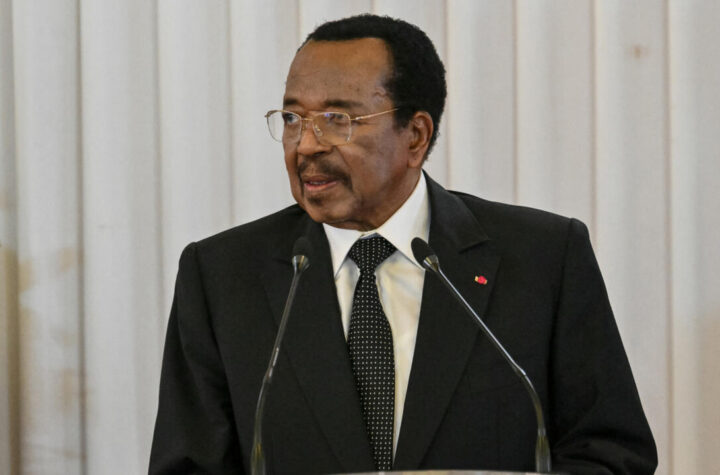
Since June 7, when state media announced President Paul Biya had embarked on a private trip to Europe, the 93-year-old leader has remained out of public view. With over 50 days elapsed since his last confirmed appearance, Cameroonians and political observers alike are left grappling with unanswered questions about his whereabouts, well-being, and expected return.
Silence fuels speculation over leadership vacuum
The prolonged absence has sparked intense debate among opposition figures who now question the stability of the state. Some have gone so far as to describe the situation as a power vacuum, suggesting the government is operating on autopilot, with officials seemingly working remotely. These claims raise concerns about the country’s ability to handle pressing national issues effectively.
Constitutional safeguards in focus amid growing uncertainty
Under Cameroon’s charter, what protocols come into play when the president is unable to fulfill duties for an extended period? Could this prolonged absence create bottlenecks in critical decision-making processes? As the clock ticks, the lack of clarity continues to stoke fears about institutional continuity and governance.
The government has offered no updates regarding Biya’s location, travel plans, or health status since the initial announcement. This silence has only deepened public skepticism and intensified calls for transparency from both domestic and international stakeholders.
More Stories
Frontière Niger–Bénin : l’éternel prétexte de Tiani
Bénin / Cap sur un État de droit moderne : le Comité de réforme officiellement installé par le Président Wadagni
Ferroviaire : au Sénégal, l’AFD et l’Europe financent l’extension du Train express régional Dakar