politics
why football debates overshadow Cameroon’s real crises
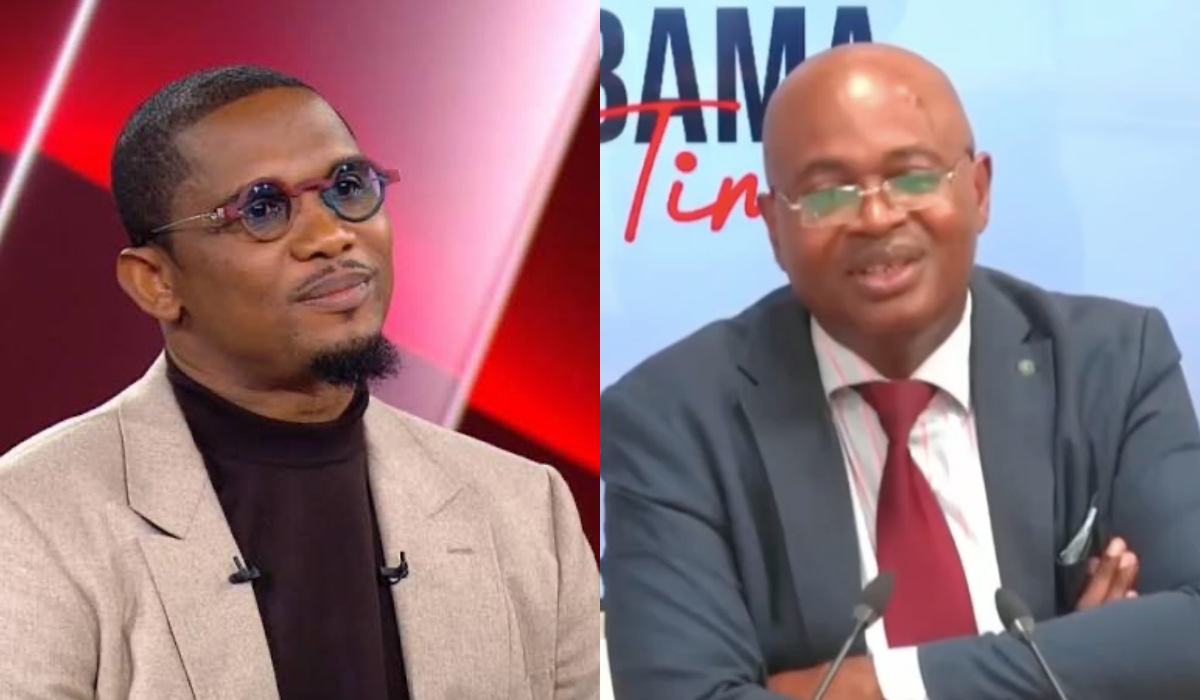
In a nation where the anticipated government reshuffle remains stalled, the public discourse should not be hijacked by football, argues Cameroonian commentator Jean Rodrigue Atemengue.
Cameroonian analyst Jean Rodrigue Atemengue questions why national attention remains fixated on football when pressing governance issues demand debate.
When Cameroon’s national football team failed to qualify for the World Cup, the country’s public discourse spiraled into debates about federation mismanagement and match controversies rather than addressing deeper institutional failures.
Football, once a unifying force and source of national pride, now reflects Cameroon’s broader struggles. Years of governance failures, judicial irregularities, and economic stagnation have left the sport’s reputation in tatters, mirroring the nation’s decline. Yet public debate continues to revolve around football as if no other crises exist.
Where should Cameroon’s focus lie?
While the nation waits for long-overdue government reforms, critical institutions remain paralyzed. A promised vice-presidential position remains vacant months after constitutional changes, parliament has not convened in years, and high-ranking officials pass away without replacements. Meanwhile, courts issue contradictory rulings, police ignore judicial orders, and public infrastructure crumbles under neglected projects.
Ordinary Cameroonians face persistent unemployment, unreliable electricity and water access, and soaring living costs. Yet the national conversation prioritizes football over these existential concerns.
Who benefits from this distraction?
When public debate centers on football controversies, institutional failures quietly persist. Intellectuals, journalists, and opinion leaders share responsibility for allowing this imbalance. By focusing on sports instead of governance, they risk replacing substance with spectacle, emotion with analysis, and noise with meaningful dialogue.
Football remains a legitimate passion, and Samuel Eto’o’s legacy deserves recognition. But when national institutions fail, roads decay, and justice falters, no amount of football discourse can justify diverting attention from Cameroon’s real challenges.
The time has come to demand better. Citizens deserve responsive institutions, credible justice, and governance that addresses pressing needs—not endless debates about a sport the country no longer even plays at the highest level.
A call for accountability
Cameroonians deserve a public discourse that reflects the gravity of their challenges. History will remember those who asked the right questions, not those who remained distracted by a declining football culture while the nation’s future hangs in the balance.
Related Posts
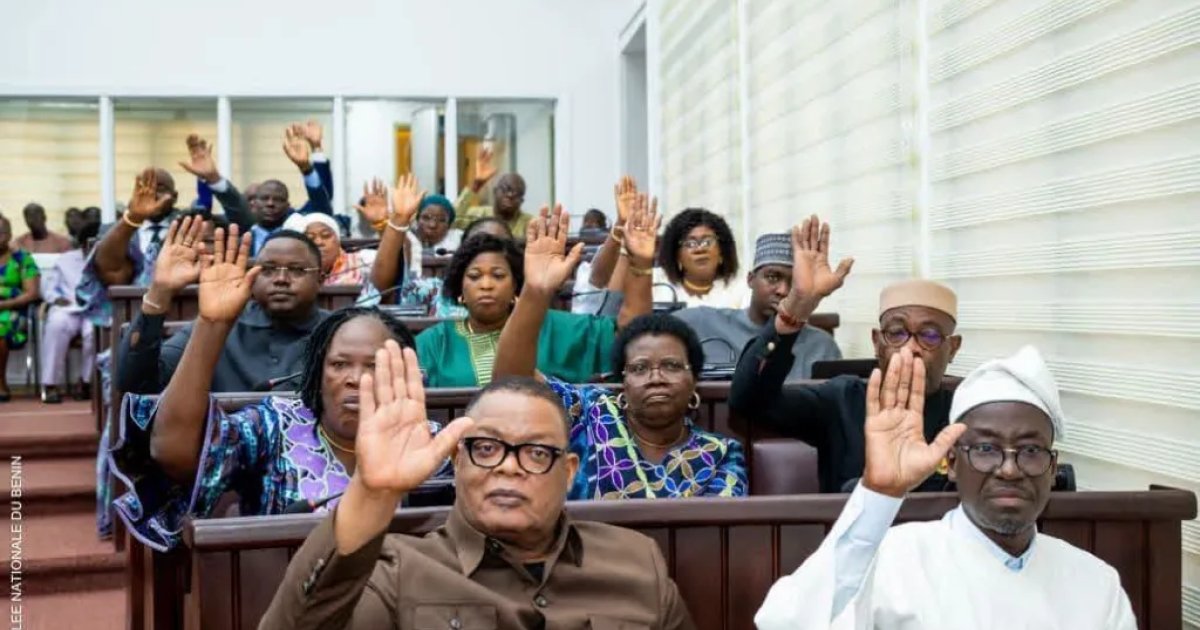
Bénin’s parliament approves 2026 revised finance law
In a significant move for African politics English, Bénin’s National Assembly approved the revised finance law for the 2026 fiscal year on Friday, June 19, […]
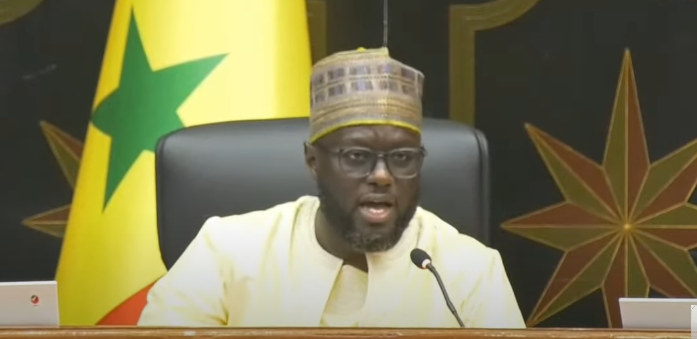
Senegal political tension over sonko resignation rumors
Rumors swirling around a potential resignation from Ousmane Sonko, leader of PASTEF-Les Patriotes, have ignited fresh debate within Senegal’s political landscape. The party’s internal dynamics […]
RDC : la Cour constitutionnelle valide une loi ouvrant la voie à un 3e mandat pour Tshisekedi
#FREEGLEIZES Depuis le 29 juin 2025, notre confrère Christophe Gleizes, journaliste pour Society et So Foot, est emprisonné en Algérie. Nous ne l’oublions pas et réclamons sa libération. En savoir plus sur #FREEGLEIZES By Ramatou […]