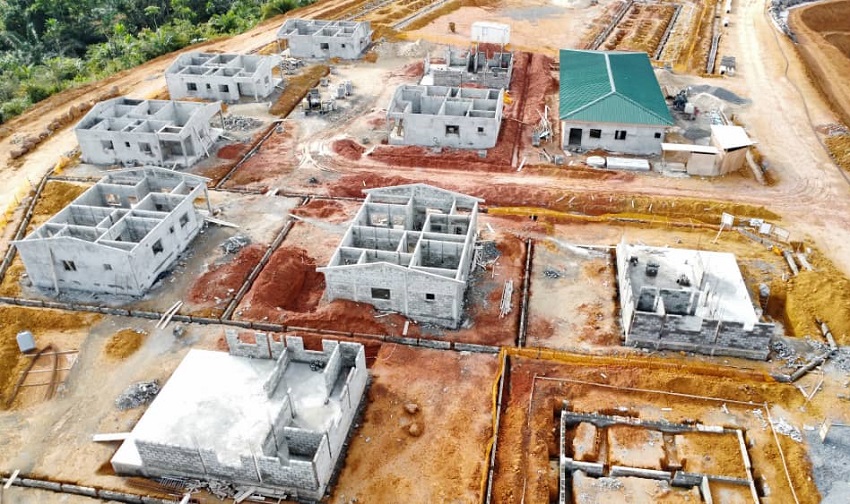
The recent discourse surrounding the rehabilitation of Sonara and the positioning of the Minister of Finance has once again brought the question of succession in Cameroon to the forefront of national politics.
On June 29, 2026, a significant media statement regarding the restoration of Sonara was issued by the Minister of Finance. This intervention follows various international press reports that have sought to reposition the finance head at the center of the race for the Cameroon presidency. This shift occurs amidst what appears to be an organized effort by certain pan-African journalism outlets to discredit Franck Biya.
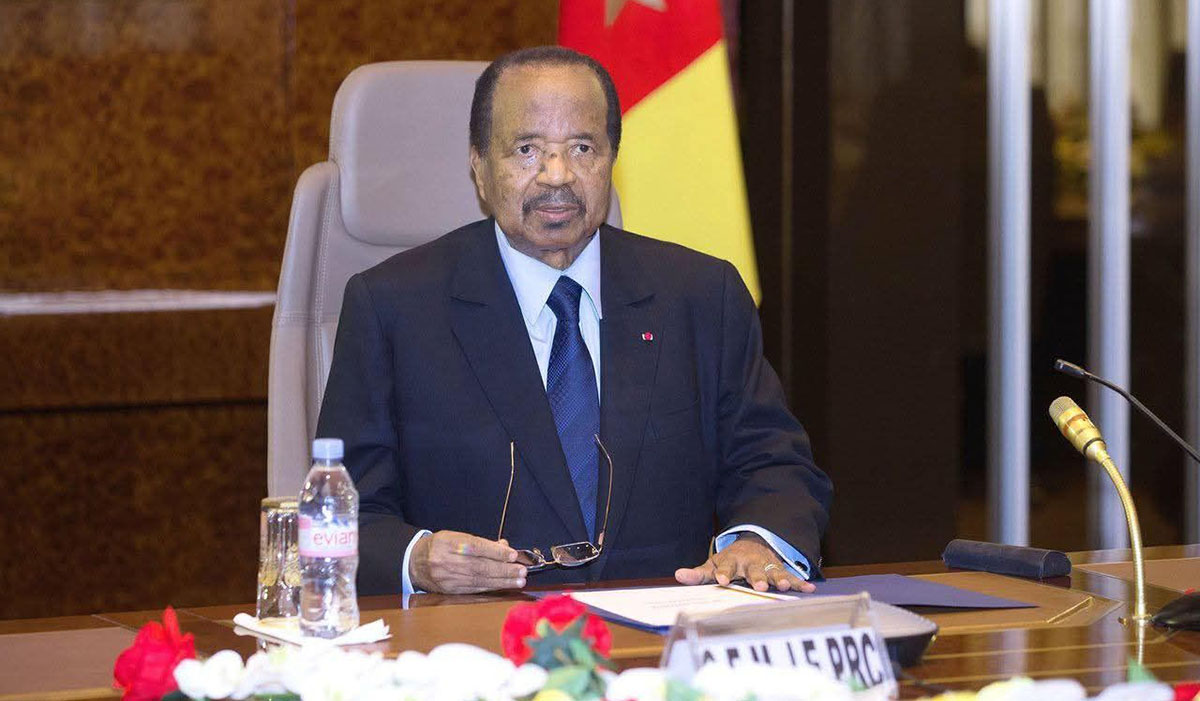
The motives behind these media attacks on Franck Biya are becoming increasingly clear. Recent reports have circulated claims that the Bulu elite and the youth in the South region are opposed to his potential candidacy. However, internal observations suggest that Franck Biya is simply becoming a formidable figure that other vice-presidential hopefuls find intimidating. Information emerging from diplomatic circles in Geneva indicates that before his recent trip to Switzerland, President Paul Biya was presented with two distinct proposals for the vice-presidency and government restructuring—one from the First Lady and another from the General Secretariat of the Presidency. The Head of State reportedly declined both, opting instead for a more private travel arrangement that included scheduled working sessions with Franck Biya.
Does Franck Biya have connections to gold-related shell companies?
Lately, various whistleblowers have attempted to link Franck Biya to scandals involving gold trafficking. This appears to be a clear sign that the final battle within the deep state has commenced. The ongoing revelations surrounding the Martinez Zogo case and the gold looting investigations currently before the Special Criminal Tribunal (TCS) are being monitored closely by President Paul Biya. For seasoned observers of African politics English readers follow, these mechanisms are likely to lead to the political downfall of several high-ranking officials who are currently vying for the vice-presidency. The longer the appointment of a vice-president and the cabinet reshuffle are delayed, the more these scandals expose the fierce appetites for power within the regime.
This prolonged period of anticipation also poses risks to the safety of the Head of State. Following the Martinez Zogo affair, which highlighted troubling links between the DSP and certain business interests, the President has reportedly leaned more on the BIR (Rapid Intervention Battalion). The commander of the Presidential Guard (GP) has moved his operations directly into the Etoudi Palace. The BIR remains the elite unit that President Paul Biya trusts for the defense of national sovereignty.
Furthermore, international intelligence, particularly from the United States, is closely monitoring the situation. Given the risks of destabilization in the absence of a clearly established succession plan, U.S. officials have reportedly advised the President to limit his travels for security reasons. Donald Trump is now said to be involved in the security considerations for President Paul Biya. Not long ago, a private jet carrying William Joseph Burns, the Director of the CIA, landed at Yaoundé-Nsimalen International Airport for high-level meetings with Cameroon‘s intelligence chiefs. These events demonstrate that President Paul Biya maintains full control over the nation’s critical issues. Amidst this internal clan warfare, his security is paramount, as he remains the only figure capable of ensuring a peaceful transition for the people of Cameroon.