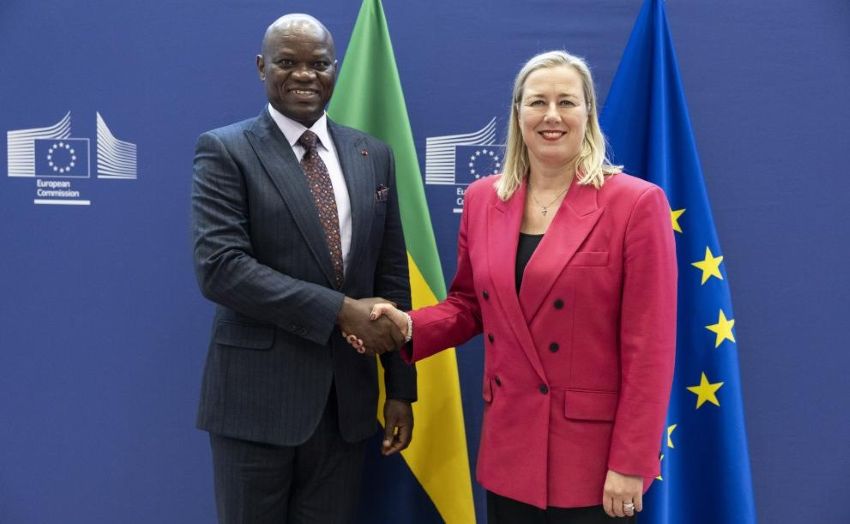
Libreville — The decision to terminate the long-standing fishing agreement with the European Union represents a significant shift in Gabon’s pursuit of economic independence.
A strategic break after two decades
June 29, 2026, marks a pivotal moment for the Gabonese economy. After nearly twenty years of maritime cooperation with the European Union, Libreville has chosen not to extend the partnership agreement that regulated the exploitation of its fish stocks since 2007. This move is more than a simple end to a contract; it is a calculated strategy to put national resources at the center of the country’s growth.
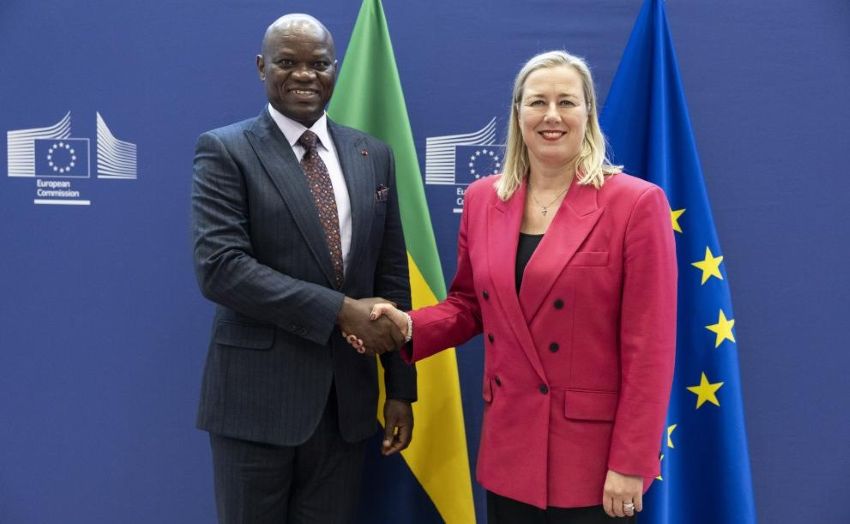
By moving away from a framework established nearly two decades ago, the government is signaling its intent to bolster economic sovereignty. The objective is to move away from an outdated model focused on exporting raw materials. This new direction aligns with the vision of President Brice Clotaire Oligui Nguema, who seeks to make the local processing of natural resources a cornerstone of the nation’s economic trajectory.
Moving beyond an unbalanced partnership
For nineteen years, the agreement allowed European fishing fleets to operate within Gabonese waters. While initially framed as a tool for economic cooperation, multiple assessments revealed that the partnership had reached its limits. The direct financial benefits for Gabon were often deemed insufficient compared to the actual value of its maritime wealth.
A significant portion of the catch was exported directly to international markets with little to no processing on Gabonese soil. This dynamic hindered the growth of a local industry that could have provided more jobs and specialized training. In an era where producing nations are striving for better control over their supply chains, maintaining the previous arrangement became incompatible with national goals.
The blue economy as a driver for growth
The end of this agreement clears the path for a revamped fisheries policy. The authorities intend to transform this sector into a major engine for economic diversification. The strategy focuses on three main pillars: establishing local processing plants to add value before export, improving domestic food security, and supporting the rise of national industrial players.
This transition is expected to attract private investment in refrigeration, logistics, and food technology. With a coastline stretching over 800 kilometers and some of the richest fish stocks in the region, Gabon is well-positioned to build a sustainable and profitable industry.
A new era of resource management
Ultimately, the termination of this pact with the European Union is a symbol of a broader movement toward resource nationalism. The challenge now lies in turning this political will into tangible results through infrastructure modernization and rigorous governance. By prioritizing local transformation over raw exports, Gabon is asserting that its true wealth lies not just in its resources, but in its ability to manage and process them for the benefit of its own people.