Gabon and AfDB strengthen partnership with focus on high-impact projects
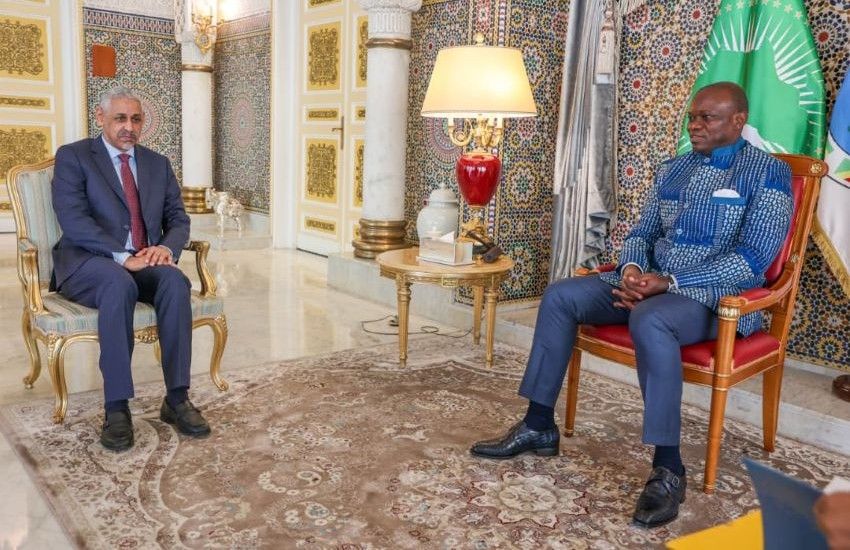
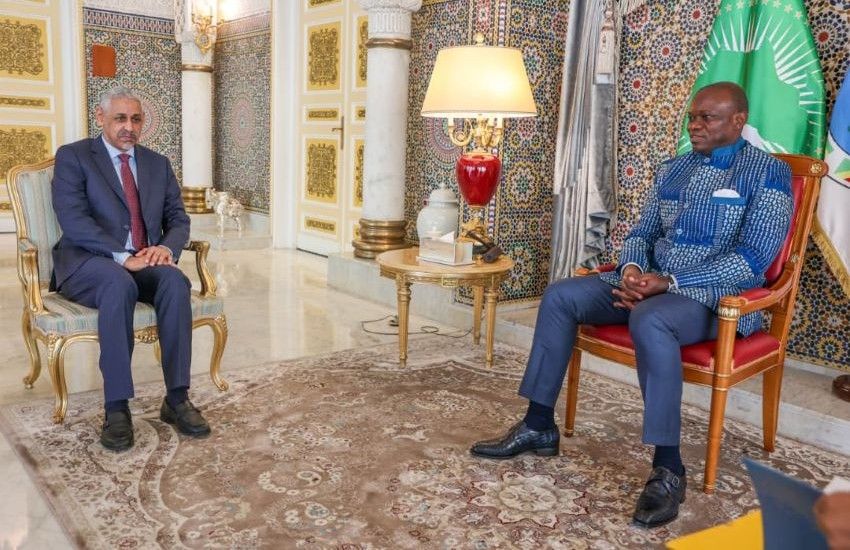
Libreville, August 15, 2026 — Gabon’s partnership with the African Development Bank (AfDB) is entering a new phase. In a meeting held yesterday in Libreville, President Brice Clotaire Oligui Nguema welcomed AfDB President Sidi Ould Tah, marking a shift from routine portfolio reviews to strategic, impact-driven collaboration.
At the heart of this engagement lies a critical question for Gabon’s leadership: how can external financing translate into tangible improvements in citizens’ living standards? The discussions were anchored in two pivotal sectors—water and electricity access, and agricultural transformation—both essential for economic competitiveness and daily life.
Water and electricity: the bedrock of national development
The decision to prioritize energy and water infrastructure reflects a broader recognition of these sectors as fundamental pillars of growth. Gabon faces persistent challenges in meeting rising demand, with frequent supply disruptions eroding public confidence. The AfDB’s role will focus on financing large-scale projects, including expanded water supply from the Komo River, as outlined by Gabonese authorities. Success hinges on coordinated efforts between technical expertise, financing, and local operators to convert available resources into sustainable public services.
This goes beyond mere infrastructure construction. The goal is to deliver enduring solutions that enhance service quality, reliability, and accessibility—addressing deficits while ensuring long-term viability.
Boosting local production to curb imports
Agriculture emerged as the second cornerstone of this partnership. With significant portions of the national food supply still reliant on imports, Gabon’s leadership seeks to reorient AfDB interventions toward strengthening domestic production and achieving food self-sufficiency. The strategy aims to invigorate agricultural value chains, empower local farmers, and progressively reduce reliance on foreign markets.
This vision transforms the partnership into an economic catalyst, with the potential to create jobs, bolster rural incomes, enhance food security, and foster national value chains. Achieving this will require not just financing, but complementary investments in infrastructure, market access, and policies conducive to private sector participation.
From financial support to measurable impact
Yesterday’s meeting underscored a deliberate shift in Gabon’s approach to development financing. President Oligui Nguema emphasized the need to refine the country’s priorities so that AfDB interventions align with sectors capable of delivering direct socio-economic benefits. This transition signals a more selective, results-oriented model—one focused on measurable outcomes rather than volume of funds.
For Gabon, the challenge now lies in translating this political alignment into financed, executed, and long-term projects. For the AfDB, the test will be demonstrating that its investments can effectively address the structural bottlenecks hindering the country’s progress.
The August 14 discussions mark the beginning of a new chapter. Water, electricity, and agriculture are now the defining pillars of a partnership committed to delivering real change. In an era where citizens demand visible improvements, success will be measured not by the scale of commitments, but by the ability of these projects to transform daily life. It is on this foundation—the ground of tangible impact—that the Gabon-AfDB alliance must now prove its value.