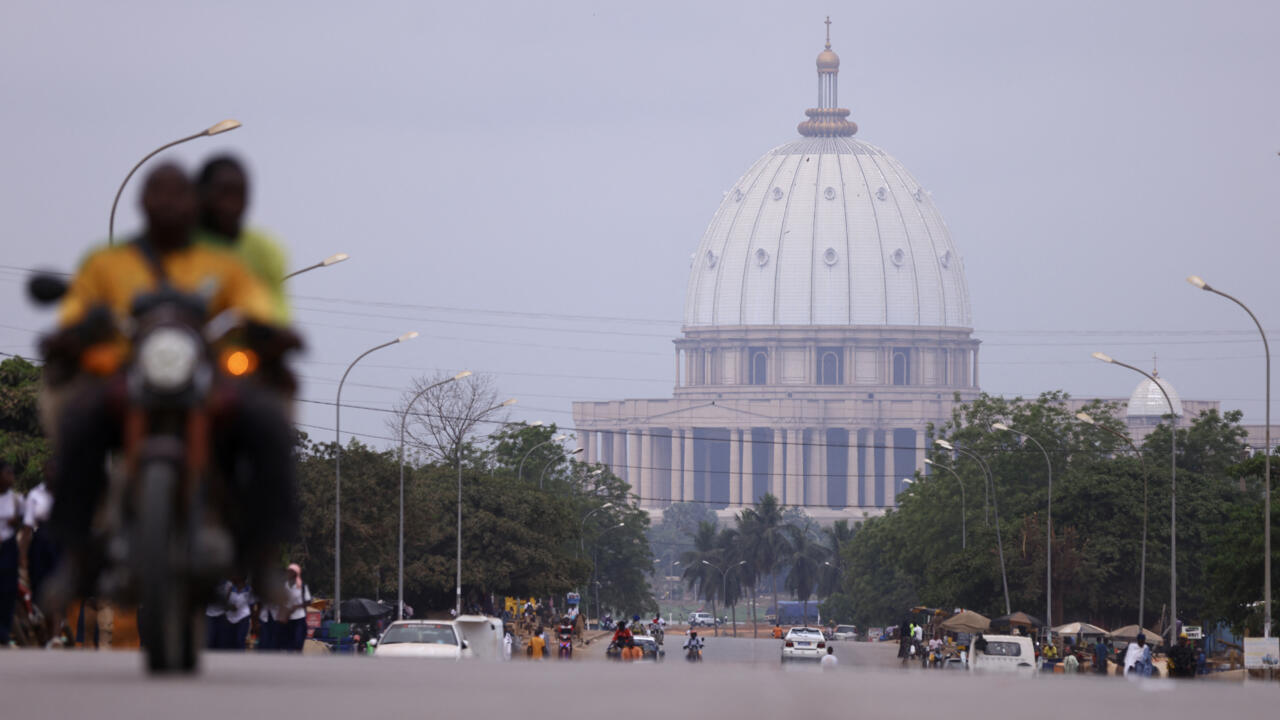
Yamoussoukro is experiencing an unprecedented real estate boom, with land values soaring and construction sites mushrooming across the city. As Côte d’Ivoire’s political capital transforms into a magnet for property investors, surrounding agricultural communities face an uncertain future as arable lands shrink under urban pressure.
why Yamoussoukro is becoming Côte d’Ivoire’s hotspot for property investment
Francis Djaha, a local real estate agent, navigates the booming market with his drone, showcasing prime parcels to potential buyers. From above, the transformation is striking: neatly divided lots stretch toward the iconic Notre Dame de la Paix basilica, with land prices ranging from 15 to 40 million West African CFA francs depending on location and size.
“We’re seeing demand from all sectors,” Djaha explains. “Private buyers want residential properties, industrialists are scouting for commercial spaces, and farmers are looking for agricultural land. Some even prefer turnkey homes.”
The appeal of Yamoussoukro extends beyond land availability. “The roads are wide and well-maintained, making commutes effortless. The city is peaceful, and the infrastructure built under President Houphouët-Boigny’s vision sets it apart from other urban centers. Plus, its central location means you can reach any major city in Côte d’Ivoire within hours.”
This combination of factors is drawing buyers from Abidjan, other Ivorian regions, and the diaspora, all eager to capitalize on Yamoussoukro’s growth potential.
the cost of urban expansion: shrinking agricultural lands
While the real estate surge fuels economic optimism, it comes at a price for local farmers. Villages like Séman Sanhourikro, just outside Yamoussoukro, are witnessing their once-fertile cocoa, yam, and cassava fields being carved up into housing developments. Michel N’Goran, a village elder, voices growing concerns: “With these subdivisions, we’re losing our ability to farm. In 30 or 50 years, our children may face the same fate as the Ebrié people in Abidjan—with no arable land left.”
Local leaders worry that Yamoussoukro’s rapid transformation could mirror the land scarcity issues that have plagued other Ivorian cities. The government’s five-year development plan includes a high-speed rail link between Abidjan and Yamoussoukro, set to reduce travel time to 45 minutes. While this project promises to boost connectivity, it also risks accelerating land conversion, further squeezing agricultural communities.
The real estate frenzy in Yamoussoukro presents a dual narrative: a city on the rise, attracting investors with its promise of growth, and a rural landscape facing displacement as urban boundaries expand. The challenge ahead lies in balancing development with the preservation of Côte d’Ivoire’s agricultural heritage.