The year 2025 stands out as a transformative period for the healthcare landscape in Burkina Faso. Despite the nation facing complex economic and security hurdles, the medical sector achieved significant milestones in infrastructure, specialized treatments, and patient affordability.
Historic medical breakthroughs
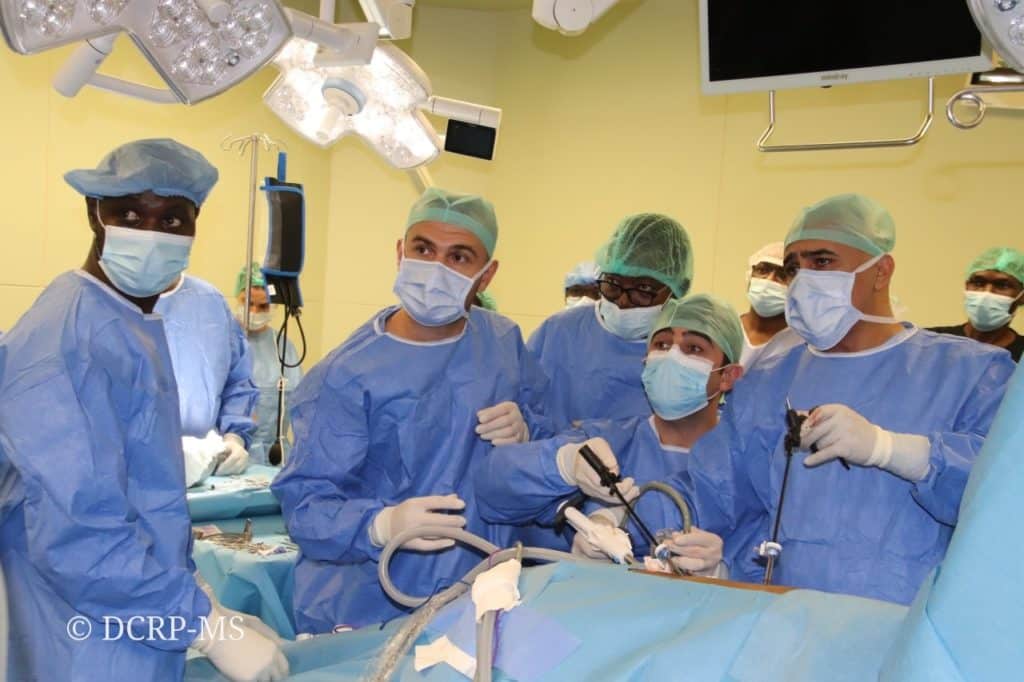
A historic milestone was reached in 2025 when Burkina Faso conducted its very first domestic kidney transplant. This surgical feat was realized at the CHU de Tengandogo through the collaborative expertise of Burkinabè and Turkish medical professionals. This advancement represents a major leap in managing renal failure locally, significantly decreasing the country’s reliance on expensive medical evacuations abroad.
The rise of specialized surgery was further evidenced in Kaya, located in the Kuilsé region. A medical team led by neurosurgeon Dr Lassané Taoko, supported by anesthesiologist Dr Fabrice Lompo, successfully completed a high-stakes operation to remove a brain tumor. Such procedures highlight the growing technical proficiency within the national healthcare framework.
Expanding hospital infrastructure
The year was also defined by the growth of physical health facilities, notably with the opening of the CHU de Pala. This new university hospital is outfitted with cutting-edge technology designed to improve specialized care for the surrounding population. Additionally, the inauguration of a hemodialysis center in Gaoua provided a vital resource for kidney patients in the Djôrô region, addressing a long-standing need for localized treatment.
Improving financial access to medical services
Major strides were taken to reduce the financial burden on citizens seeking essential care. Health authorities implemented drastic price cuts for critical diagnostic tests in public facilities. The cost of a scanner was halved, dropping from 50,000 FCFA to 25,000 FCFA, while MRI fees saw a 60% reduction, falling from 100,000 FCFA to 40,000 FCFA.
Furthermore, the 500,000 FCFA security deposit previously required for hemodialysis was completely abolished. These social measures are intended to facilitate earlier diagnoses and ensure that life-saving treatments are no longer out of reach for the average patient.
Prevention and structural reforms
Public health initiatives remained a top priority throughout 2025. A nationwide seasonal malaria chemoprevention campaign successfully reached nearly all targeted children between 3 and 59 months old, effectively lowering the rates of severe illness and death from the disease. Efforts to combat maternal and neonatal mortality were also intensified through improved tracking of preventable deaths.
Finally, the government introduced several structural changes, including the modernization of primary care and the gradual digitalization of community health services. Stricter tobacco regulations were also enforced to promote long-term wellness. Ultimately, 2025 served as a year of concrete progress, moving Burkina Faso toward a more resilient and inclusive health system focused on the well-being of all citizens.