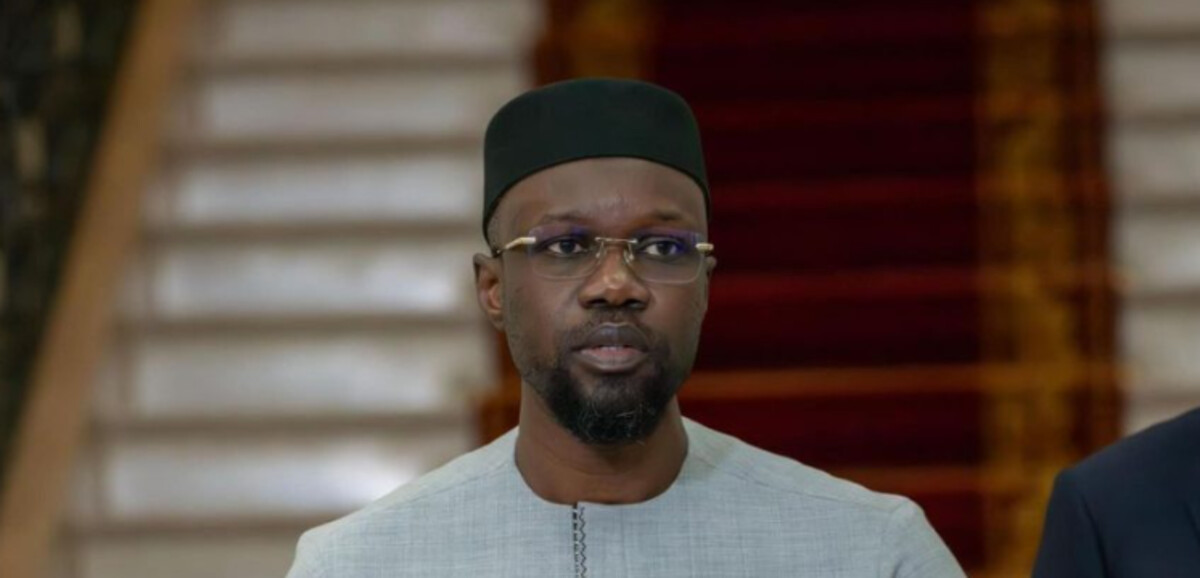
The situation surrounding Succès Masra has now entered its second year, drawing significant attention from Western diplomatic missions monitoring Chad’s political transition. Arrested a year ago in N’Djamena, the former Prime Minister and leader of Les Transformateurs party is currently serving a twenty-year prison sentence. His sister, Chancelle Masra, residing in France, has decided to speak out, condemning his detention conditions as incompatible with her brother’s declining health. Her urgent appeal comes amidst a tense political atmosphere marked by the consolidation of power by Mahamat Idriss Déby Itno.
a disputed twenty-year sentence
Chadian judicial authorities convicted the opposition figure for broadcasting an audio message in 2023, which prosecutors claimed incited intercommunal violence that erupted two years later in the southern regions of the country. This unusually long causal link has raised questions among human rights advocates and many legal experts. Observers widely interpret the verdict as a calculated legal maneuver designed to permanently sideline a prominent political rival. The severe twenty-year sentence, one of the harshest ever imposed on a civilian under the younger Déby’s administration, serves as a stark warning to the entire Chadian opposition.
Officially placing second in the May 2024 presidential election with 18% of the votes, Succès Masra represented a civilian alternative to the ruling military establishment. His brief tenure as Prime Minister, from January to May 2024, had been presented as a gesture of openness by the transitional regime. However, the presidential election ultimately solidified a dramatic rupture, followed by his arrest mere months later. For his supporters, this trajectory illustrates a familiar pattern of institutional capture aimed at neutralizing opposing forces.
family’s plea for medical attention
Chancelle Masra’s advocacy centers on the humanitarian aspects of her brother’s case. She asserts that he is suffering in detention and requires medical care that the Chadian prison administration appears unable to provide. While the precise nature of his health issues has not been publicly disclosed, those close to him report a continuous deterioration since his incarceration. The family is urgently requesting, at a minimum, access to independent medical evaluation and the opportunity for relatives to verify his actual condition.
This campaign launched from Paris is part of a broader strategy to internationalize the matter. Les Transformateurs, deprived of their main spokesperson, are relying on the diaspora and European contacts to maintain pressure. Several French political figures have already been contacted, along with organizations dedicated to defending prisoners of conscience. Reports from sources close to the party suggest that the African Court on Human and Peoples’ Rights may also be approached.
a symbolic case for Chad’s transition
Beyond the individual circumstances, the detention of the opposition leader encapsulates deeper concerns about the true nature of Chad’s transition, initiated in N’Djamena following the death of Idriss Déby Itno in April 2021. Western donors, with France at the forefront, had supported an electoral timetable designed to restore civilian governance. Three years on, the political restrictions and the judicial targeting of opposition figures cast doubt on the stability of this framework. The relative silence from external partners regarding Succès Masra’s fate is frequently highlighted by Chadian civil society organizations.
The regional context further complicates the situation. Faced with persistent pressure from armed groups around Lake Chad and the spillover effects of the Sudanese conflict on its eastern border, N’Djamena enjoys increased leverage in negotiations with its international partners. This security imperative often overshadows democratic governance concerns, much to the dismay of public liberties advocates. Nevertheless, the high visibility of the Masra case could re-emerge as a significant point of contention should the former Prime Minister’s health seriously worsen.
Specifically, the family hopes to secure, if not his release, at least a transfer to a medical facility and the lifting of restrictions on visits. Such an outcome would necessitate a political gesture from the Chadian head of state, who has, to date, shown no public inclination towards resolving this matter.