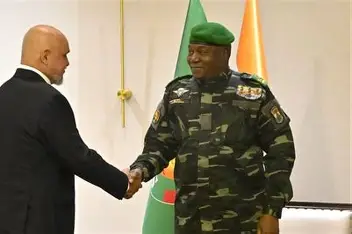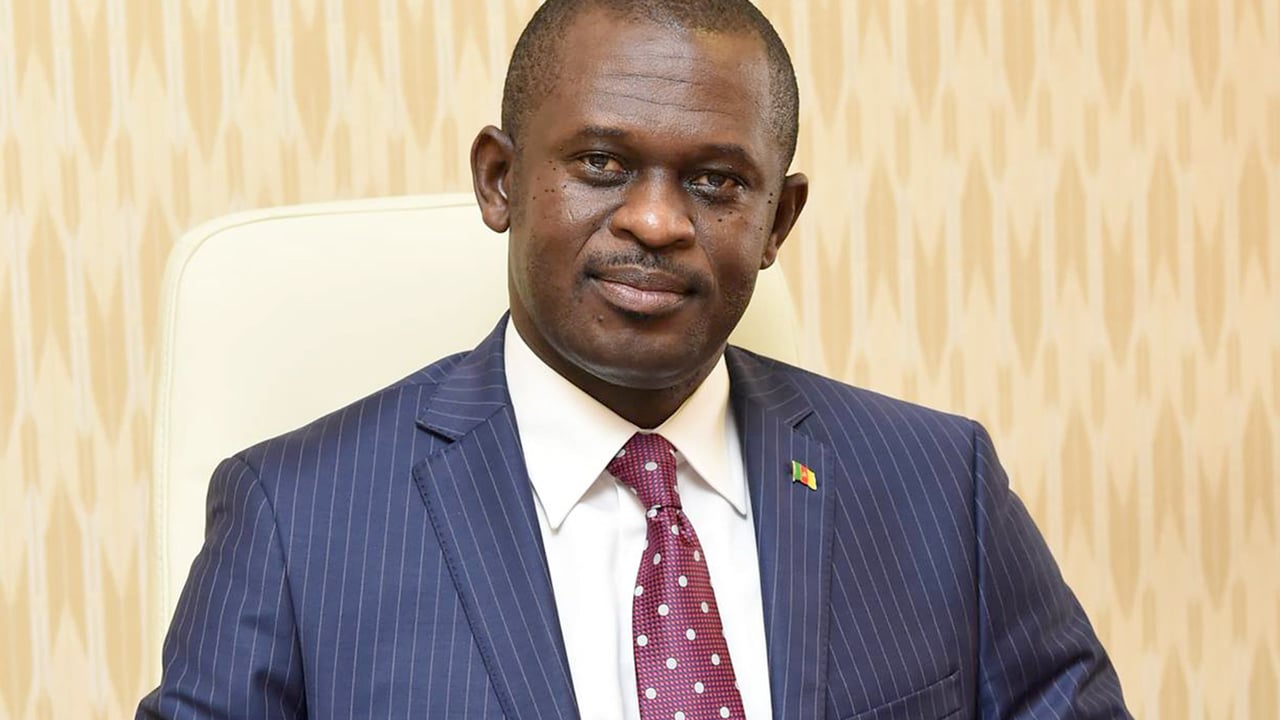
The newly inaugurated Beninese leader, Romuald Wadagni, wasted no time in launching his first diplomatic mission abroad, arriving in Niamey and Ouagadougou this Tuesday, June 2nd. Just a week after his swearing-in ceremony in Cotonou, the president is prioritizing regional reconciliation, seeking to mend strained ties with neighboring Sahelian nations governed by military leadership.
Diplomatic overtures aimed at easing Sahelian tensions
Wadagni’s visit follows months of frosty relations between the Republic of Bénin and its northern neighbors. Since the July 2023 military takeovers in Niger and Burkina Faso, diplomatic exchanges had all but frozen, with Cotonou’s previous administration maintaining a stance perceived as aligned with the Economic Community of West African States (ECOWAS)—a position firmly rejected by the new Sahelian leadership. The Beninese president, a former Finance Minister known for his pragmatic approach, is opting for direct engagement over formal declarations to signal a clear shift in policy.
The dual-city visit, occurring in the president’s second week in office, underscores his commitment to resolving long-standing disputes, including the closure of the Niger-Bénin border and recurring cross-border security concerns. This hands-on strategy marks a departure from the previous administration’s reliance on regional institutions to address bilateral issues.
Revival of the Cotonou-Niamey trade corridor at the heart of talks
A major focus of the discussions will be the economic fallout from the disruption to the Cotonou-Niamey trade corridor, a vital logistics artery for landlocked Niger. The suspension of cross-border trade—first due to ECOWAS sanctions and later as a result of Niger, Mali, and Burkina Faso withdrawing from the bloc—has dealt a severe blow to Beninese exporters and port operators. The Port of Cotonou, a key transit hub, has seen a sharp decline in traffic bound for Sahelian markets, with competitors in Togo and Ghana capitalizing on the gap.
For Bénin, restoring smooth trade flows is both an economic and diplomatic imperative. Customs and port revenues represent a significant portion of public finances. Achieving normalization will require reopening all border crossings and removing additional levies imposed by both sides. Security cooperation, particularly in combating armed groups operating near the shared W National Park and along the border, will also be a critical topic of conversation.
Balancing diplomacy between ECOWAS and the Sahel Alliance
Navigating this complex diplomatic landscape remains a challenge. While Bénin remains a member of ECOWAS, President Wadagni is pursuing a nuanced approach to re-engage with the Alliance of Sahel States (AES), formed in September 2023 by Niger, Burkina Faso, and Mali to distance themselves from the Abuja-based bloc. The Beninese leader must tread carefully, avoiding any perception of endorsing military transitions or abandoning the country’s regional commitments.
The symbolic weight of this visit is not lost on observers. By prioritizing Niamey and Ouagadougou as his first overseas destinations, the new president is sending a strong message to historic partners with whom Bénin shares not only borders but also pressing security challenges in its northern regions. Rising jihadist attacks in northern Bénin, attributed to groups linked to Al-Qaeda and the Islamic State, make renewed military cooperation with Sahelian forces essential.
The true test will lie in the response from Sahelian leaders. The transitional governments in Niger and Burkina Faso have so far favored partnerships with Moscow and distanced themselves from traditional West African diplomatic frameworks. Wadagni’s challenge is to demonstrate that an independent Beninese approach—one that diverges from ECOWAS directives—can deliver tangible benefits for border communities and economic operators alike.