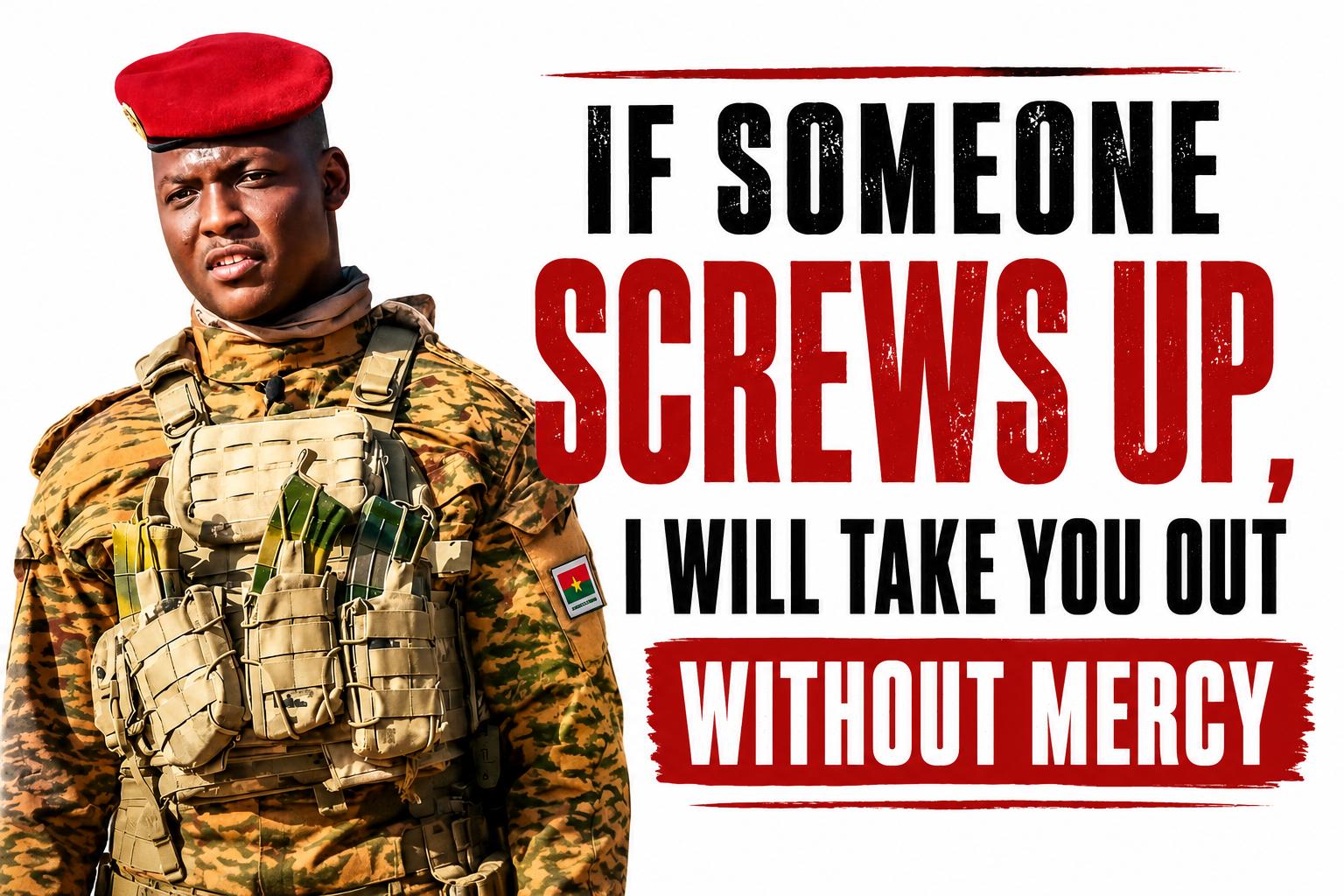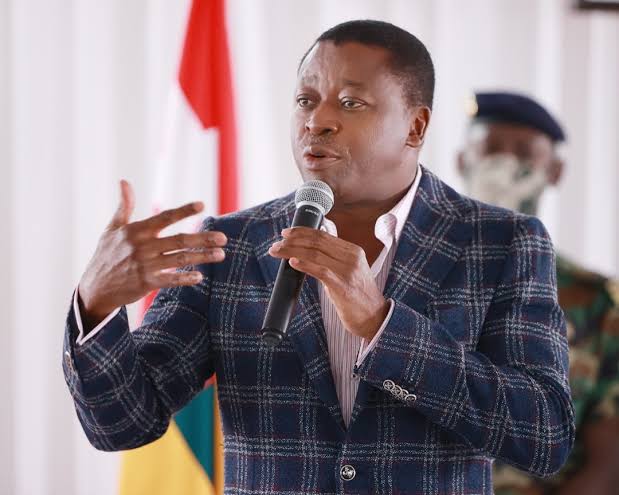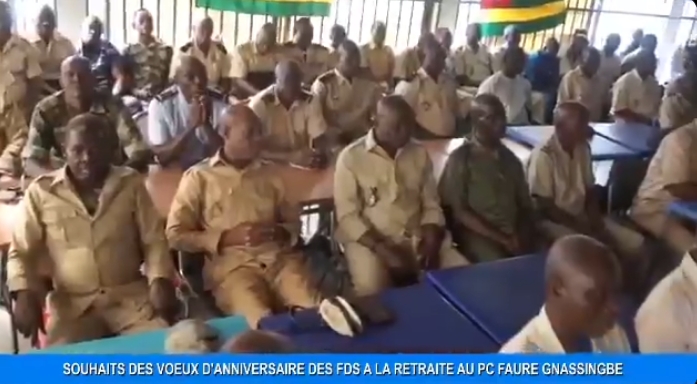
The narrative of a Burkina Faso transformed into an « eldorado » under the leadership of Captain Ibrahim Traoré, as propagated by state-aligned media, appears increasingly detached from the lived experiences of many Burkinabè. While official discourse champions a « progressive popular revolution » and heralds national renewal, the day-to-day struggles of citizens reveal a far more complex and challenging reality.
Unfulfilled ambitions amid persistent challenges
Since assuming office, Ibrahim Traoré has repeatedly pledged accelerated industrialization, territorial restoration, and a sweeping national revival. However, tangible progress remains elusive for large segments of the population. Although select infrastructure projects have been initiated, framing these as indicators of widespread development overstates their impact. The gap between lofty announcements and on-the-ground realities continues to widen, leaving many questioning the substance behind the rhetoric.
Security and economic pressures weigh heavily
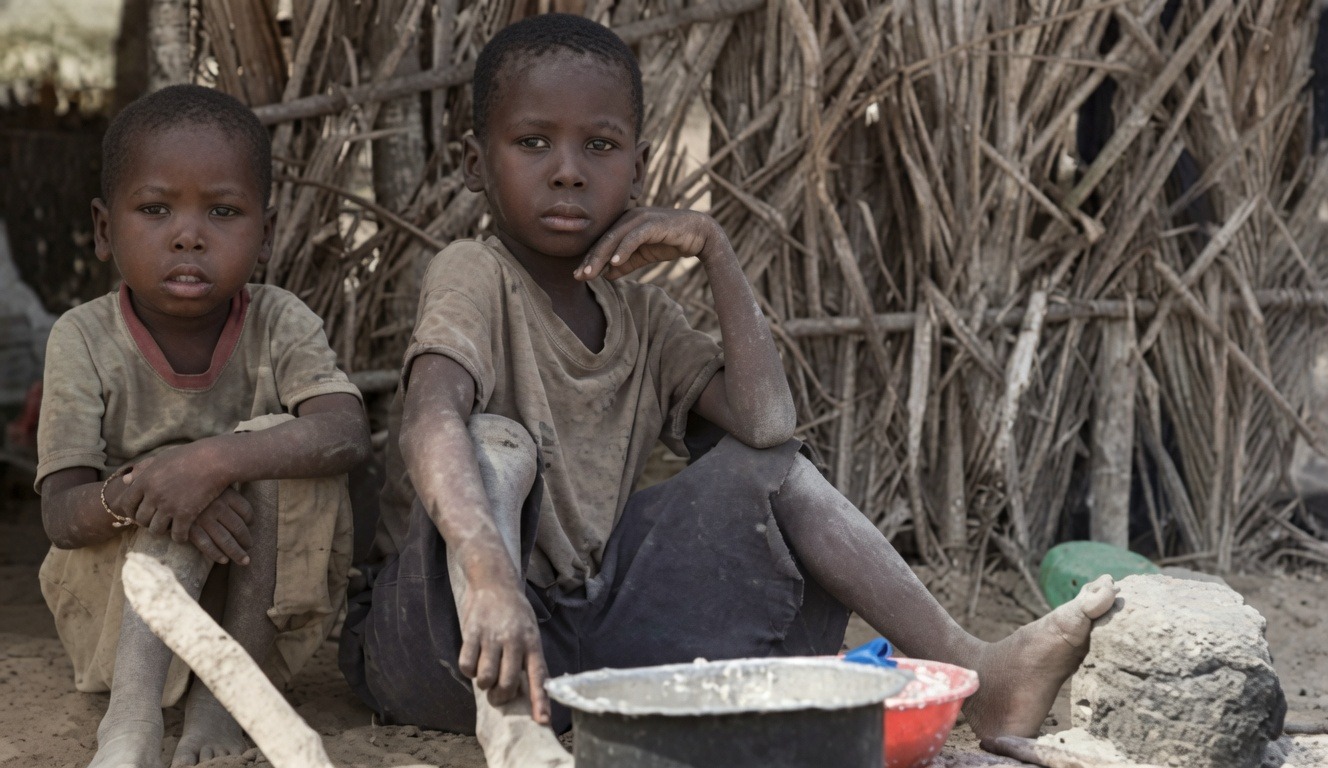
The country’s most pressing issues—security instability and economic hardship—remain unresolved. Violent attacks persist in multiple regions, displacing thousands and forcing families into precarious conditions, either within national borders or across neighboring territories. The humanitarian crisis deepens as access to essential services—food, healthcare, and basic utilities—becomes increasingly restricted. Agricultural disruptions and supply chain breakdowns exacerbate food insecurity, leaving vulnerable communities reliant on sporadic humanitarian aid.
In areas where state presence is weakened by insurgent activity, civilians endure severe deprivation. The inability of security forces to guarantee safe passage or protect local populations underscores the fragility of recent governance claims. For many, the promise of stability remains unmet, and the optimism once associated with the transition has given way to growing disillusionment.
Public skepticism grows as expectations remain unmet
A segment of the population still resonates with sovereignist rhetoric and bold policy declarations, yet an increasing number demand concrete improvements in their daily lives. Citizens prioritize tangible outcomes—security, employment, economic stability, and functional public services—over aspirational slogans. The failure of these promises to materialize has eroded trust in leadership, with many now viewing official communications as attempts to obscure rather than illuminate Burkina Faso’s challenges.
The limits of political messaging
Statements such as Ibrahim Traoré’s assertion that « the current context is no longer that of 1987 » are framed within a broader narrative of Sahelian sovereignty, promoted by the Alliance of Sahel States (AES). While this rhetoric may resonate with certain factions, it does little to address systemic concerns regarding governance, economic performance, or security. Analysts argue that the true measure of progress lies not in political posturing but in measurable improvements for Burkinabè citizens. Without verifiable results, even the most compelling narratives risk being dismissed as hollow propaganda.
Conclusion: from rhetoric to reality
Portraying Burkina Faso as an « eldorado » serves more as a strategic communication tool than an accurate reflection of national conditions. Until the government translates its ambitious declarations into visible, sustainable benefits for its people, public sentiment will likely continue to shift from cautious hope to outright skepticism. The path to genuine transformation demands action, not merely words.