Romuald Wadagni, a seasoned economist turned politician, has assumed office as the new President of Benin following a landslide victory in the presidential election held on April 12. His triumph was decisive, securing 94% of the popular vote, while his sole opponent, politician Paul Hounkpe, faced a resounding defeat. The political landscape shifted further when Hounkpe’s party formed a coalition with the ruling party in Parliament, signaling a potential shift in the nation’s governance dynamics.
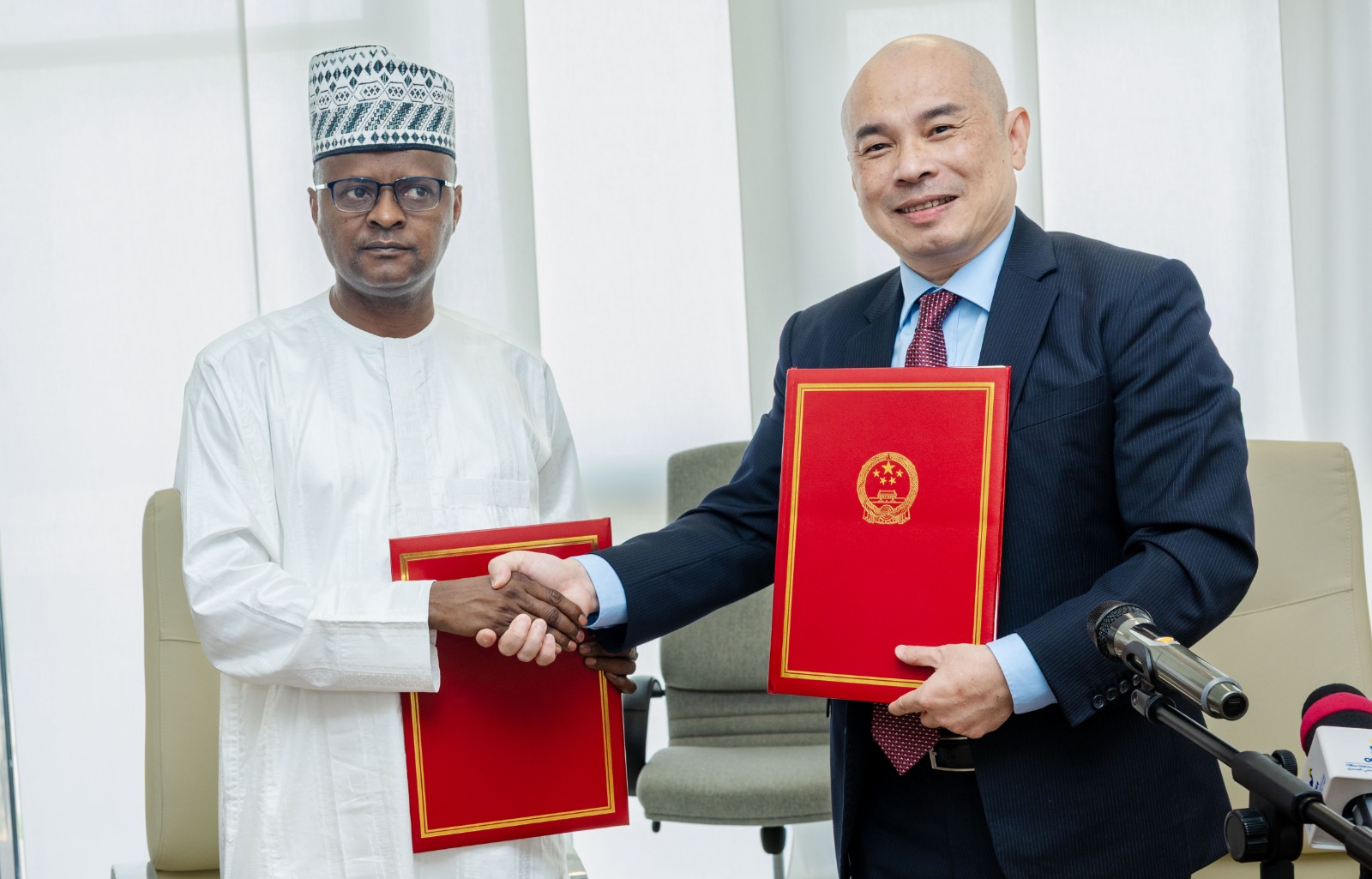
The inauguration ceremony drew over 6,000 attendees, including high-ranking officials from state agencies, members of the constitutional body, diplomats, and former presidents Nicéphore Soglo and Thomas Boni Yayi. Notably, the presence of Niger‘s Prime Minister Ali Mahaman Lamine Zeine was interpreted as a gesture of reconciliation, marking progress in mending strained relations between Benin and its northern neighbor after months of diplomatic friction.
a constitutional shift and promises of leadership
Under the amended Benin Constitution of 2025, the presidential term has been extended from five to seven years, though the two-term limit remains unchanged. Wadagni, now the fifth president since Benin embarked on democratic reforms in 1990, took the oath of office before the Chief Justice of the Constitutional Court, Dorothe Sossa. In his inaugural address, he pledged unwavering commitment to upholding the Constitution, safeguarding peace, fostering national unity, and serving the people of Benin with integrity and accountability.
“The Republic of Benin will not yield to fear or complacency,” Wadagni declared. “Our government will act decisively against any forces threatening our national security and cohesion.” His remarks underscored a firm stance on maintaining stability as a cornerstone of his administration’s agenda.
regional diplomacy and economic priorities
With Benin positioned in a region grappling with political instability, Wadagni emphasized the importance of strengthening ties with neighboring countries, particularly those led by military regimes such as Niger and Burkina Faso. His leadership arrives at a time when regional cooperation is critical to addressing shared challenges, including security threats and economic integration.
On the domestic front, Benin continues to enjoy steady economic growth, yet faces persistent challenges: deep-rooted social inequalities and escalating security threats in the northern regions. Wadagni’s rise to power comes at a pivotal moment, as he brings a wealth of financial expertise to the presidency. Prior to entering politics, he spent over a decade at Deloitte, one of the world’s leading audit firms, where he honed his financial acumen.
In 2016, following the election of former President Patrice Talon, Wadagni was appointed Minister of Economy and Finance. His leadership in this role earned him reappointment in 2021, and later, he was named Principal Minister. During his tenure, Wadagni played a pivotal role in implementing fiscal reforms that significantly reduced the national budget deficit to approximately 3% of GDP, according to government reports.