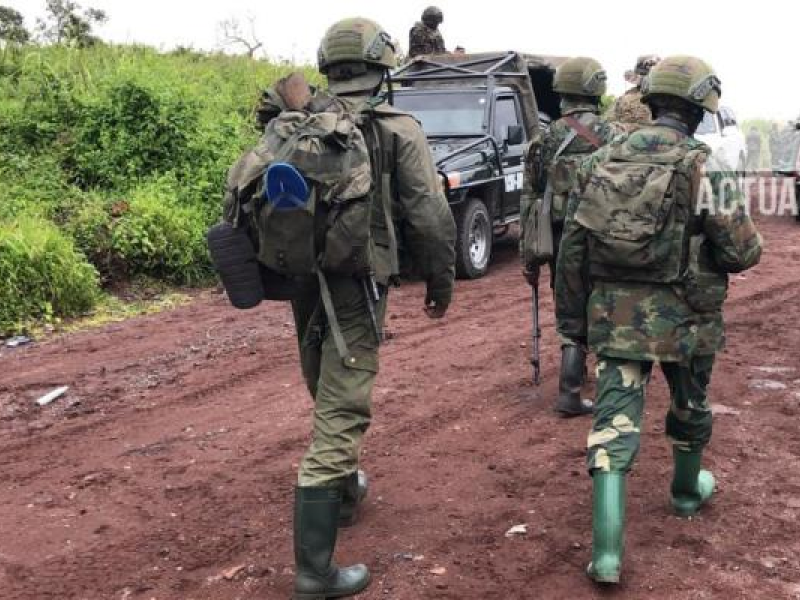
Christian Moleka on eastern DRC conflict: military efforts fall short amidst diplomatic gains
- Sécurité
During a recent Space live discussion hosted by Stanis Bujakera Tshiamala, political analyst Christian Moleka offered a candid assessment of the military and diplomatic strategies employed by Kinshasa to address the ongoing conflict in the eastern Democratic Republic of Congo (DRC). Moleka highlighted that despite a substantial $4.5 billion budget allocated between 2022 and 2025 under the military programming law, the operational outcomes on the ground have largely failed to meet anticipations. The FARDC, he noted, has consistently struggled to regain the upper hand against the AFC/M23 rebels since the strategic town of Bunagana fell in 2022.
On the diplomatic front, the analyst acknowledged several key breakthroughs. These include the adoption of European sanctions targeting Rwanda, a discernible shift in Washington’s perception of the conflict, and the unanimous passage of a resolution by the United Nations Security Council. However, Moleka underscored a persistent disconnect between these diplomatic achievements and the harsh realities faced on the battlefield. He cited a report from the UN Group of Experts, which indicated that the M23 had expanded its occupied territory by an additional 35% since the Doha agreements. Moleka summarized this by stating that these diplomatic instruments have yielded only temporary or limited outcomes.
When pressed to identify the primary factor responsible for this tempered evaluation, Christian Moleka was unequivocal: “I would say the responsibility lies more with the military.” He drew an analogy between diplomacy and military engagement, describing their interplay as akin to a two-person dance. “One cannot sustain a diplomatic stance without robust military support on the other side,” he emphasized. According to the analyst, the gains secured on the international stage risk being undermined, and potentially turning against Kinshasa, if they are not bolstered by a more advantageous military balance of power.
Moleka concluded his analysis by framing the conflict within a broader historical context, referring to it as a “war of attrition” spanning three decades. In such a protracted struggle, he asserted, “it’s not the intensity that counts, but the capacity to hold out for a long time.” This enduring challenge, he believes, applies equally to both Congolese diplomacy and its armed forces, reflecting a critical aspect of African politics and security in the region.
Related Posts
Gabon’s 2025 budget deficit widens to 5.3% of gdp amid economic slowdown
Gabon’s fiscal health took a significant hit in 2025, with the budget deficit ballooning to 5.3% of GDP, up sharply from 3.8% the previous year. […]
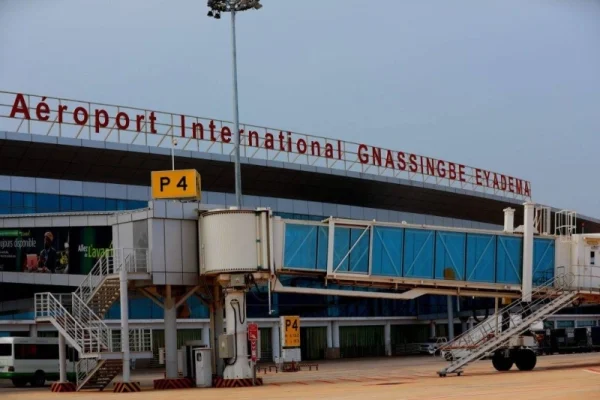
Togo’s 48-hour ultimatum to fix airport visa chaos at panafrican forum
Welcome to Lomé, where the third edition of the Biashara Afrika panafrican forum kicked off this past Monday, May 18, 2026, with a textbook case […]
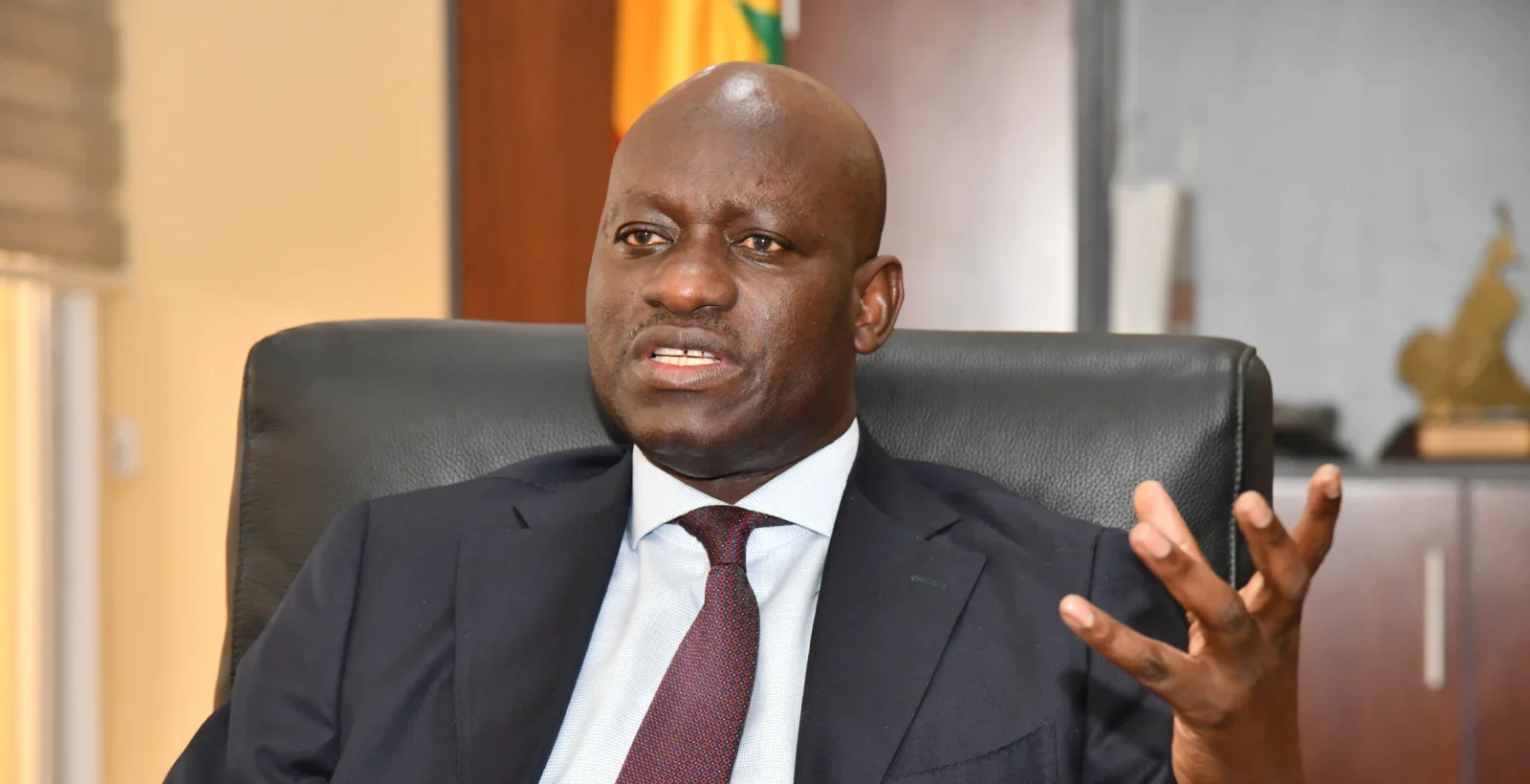
Ousmane sonko’s early exit from Dakar rally sparks abass fall’s call for discipline
A “patriotic” walking rally in Dakar experienced disruptive incidents, leading to the early departure of Prime Minister Ousmane Sonko. Mayor Abass Fall voiced his disappointment, […]