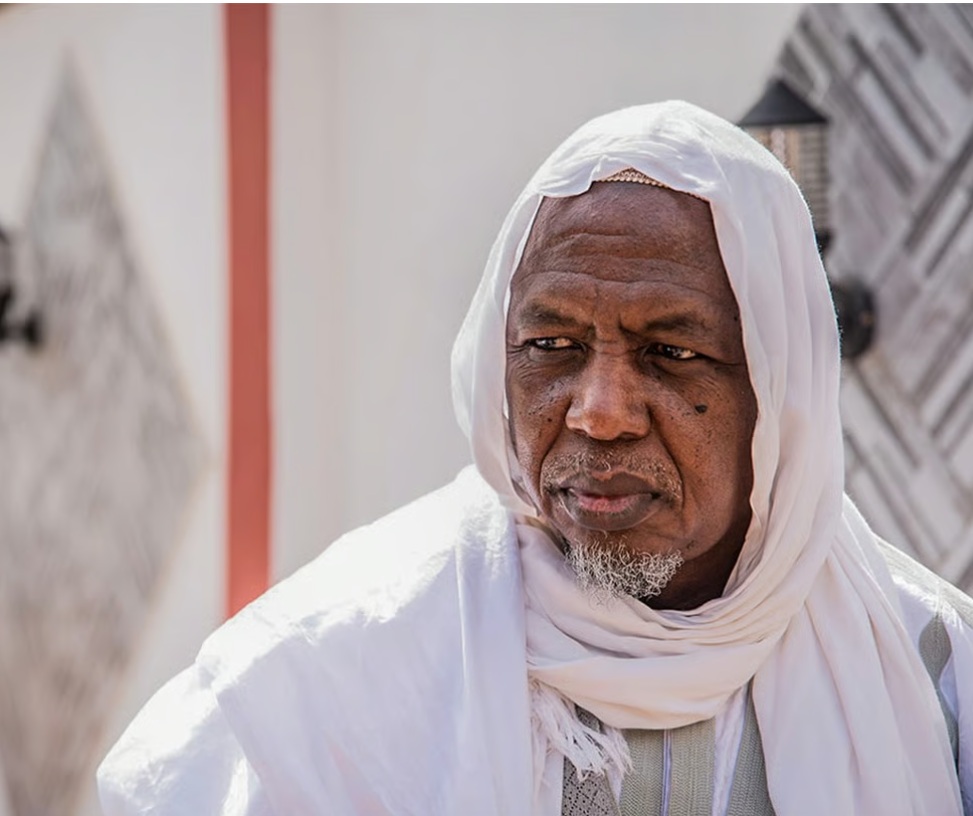
The diplomatic landscape of West Africa has undergone a significant transformation with the official thawing of relations between Mali and Algeria after fifteen months of unprecedented tension. The resumption of ambassadorial exchanges and the reopening of airspaces have not only restored bilateral communication but have also redefined the geopolitical dynamics across the Sahel region. At the heart of this evolving scenario lies the fate of Imam Mahmoud Dicko, a prominent socio-political figure in Mali currently living in exile.
Unraveling the roots of the diplomatic freeze
The journey toward reconciliation began with an understanding of the deep-seated issues that had driven a wedge between Bamako and Algiers. Tensions escalated sharply by the end of 2023, when Malian authorities accused Algeria of meddling in internal affairs. Specific allegations pointed to meetings on Algerian soil with Tuareg rebel factions from northern Mali, conducted without the consent of the country’s transitional government.
The final breaking point arrived when Mali terminated the 2015 Algiers Agreement, a cornerstone peace deal with armed groups in the north. This move, viewed by Algeria as a direct challenge to its regional peace-building efforts, triggered the mutual recall of ambassadors and the suspension of all air travel between the two nations. For over a year, dialogue remained stalled, leaving the Sahel-Sahara belt vulnerable to escalating security threats.
The path to reconciliation: rebuilding trust through action
Recognizing that prolonged confrontation would only deepen mutual vulnerabilities, behind-the-scenes diplomatic efforts were quietly set in motion. A phased approach centered on confidence-building measures led to a series of tangible steps that culminated in the formal restoration of ties:
- Ambassadors return home: Diplomatic representatives resumed their posts in Bamako and Algiers, re-establishing a critical channel for crisis management and cross-border coordination.
- Airlines take to the skies again: The resumption of commercial and military flights signaled a renewed flow of goods, services, and personnel, reinforcing economic and security ties across the shared border.
- Cross-border security cooperation resumed: With terrorism persisting as a common threat, intelligence sharing and joint counterterrorism initiatives have been revived to secure the 1,300-kilometer frontier.
This thaw underscores the growing maturity of regional diplomacy, proving that national pride can be set aside in favor of collective stability and shared prosperity.
Imam Mahmoud Dicko: a voice of moderation in turbulent times
Amid this diplomatic rebirth, the question of Imam Mahmoud Dicko’s future takes on renewed significance. Forced into exile in Algeria since the outbreak of the crisis, the influential religious leader now stands at a pivotal juncture—one that could shape the trajectory of Mali’s democratic transition.
Dicko is far more than a vocal critic in exile. To many Malians, he represents a unifying force—an advocate for dialogue across political and social divides. As the spiritual leader behind the 2020 mass protests that led to the resignation of President Ibrahim Boubacar Keïta, he championed a peaceful return to constitutional order and civilian rule.
In a nation still searching for national cohesion, Dicko’s moral authority and capacity to mobilize public opinion remain invaluable. His call for an inclusive national dialogue—one that brings together all segments of Malian society—positions him as a key player in shaping a credible path toward civilian-led governance. His return, whether symbolic or actual, could lend vital legitimacy to any future transition process.
Navigating the road ahead: exile, influence, and national healing
The reopening of Malian-Algerian relations raises complex questions about Dicko’s continued presence abroad and the conditions for his potential return. While Algeria may face pressure to curb his political activities on its soil to avoid straining relations with Bamako, the moment also presents a historic opportunity for mediation.
As a trusted regional mediator, Algeria is uniquely positioned to facilitate a constructive dialogue between Dicko and Mali’s transitional authorities. A carefully managed, secure return of the imam—backed by guarantees of safety and political participation—could serve as a powerful symbol of national reconciliation. Such a move would not only ease domestic tensions but also signal a decisive step toward democratic normalization in Mali.
A thaw that strengthens democracy and stability
The restoration of full diplomatic relations between Mali and Algeria marks a turning point in Sahelian security and governance. By closing the chapter on fifteen months of confrontation, both nations have reaffirmed that cooperation, not confrontation, is the only viable path forward.
In this new chapter, Imam Mahmoud Dicko’s role should not be seen as a liability, but as an asset. By leveraging his moral influence and unwavering commitment to civilian rule, Bamako and Algiers have the chance to transform this diplomatic thaw into a catalyst for peace, stability, and democratic renewal across Mali.