Libreville tackles urban chaos with mixed reactions
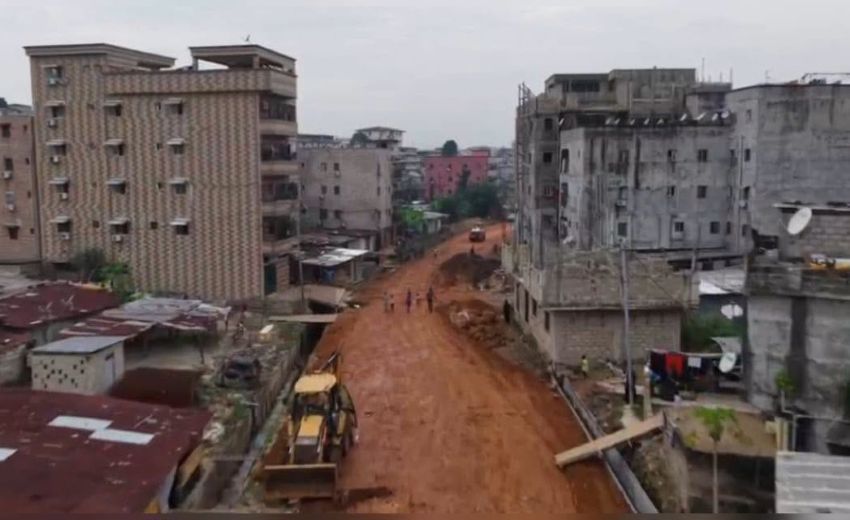
Libreville, Monday, July 13, 2026 – The ultimatum issued by Libreville Mayor Eugène M’ba on July 10 is set to expire in a matter of hours. Soon, the operational phase of the city’s anti-insalubrity and public domain regulation campaign will escalate, with demolitions of illegal structures, removal of wrecks, closures of unauthorized garages, and dismantling of roadside businesses getting underway.
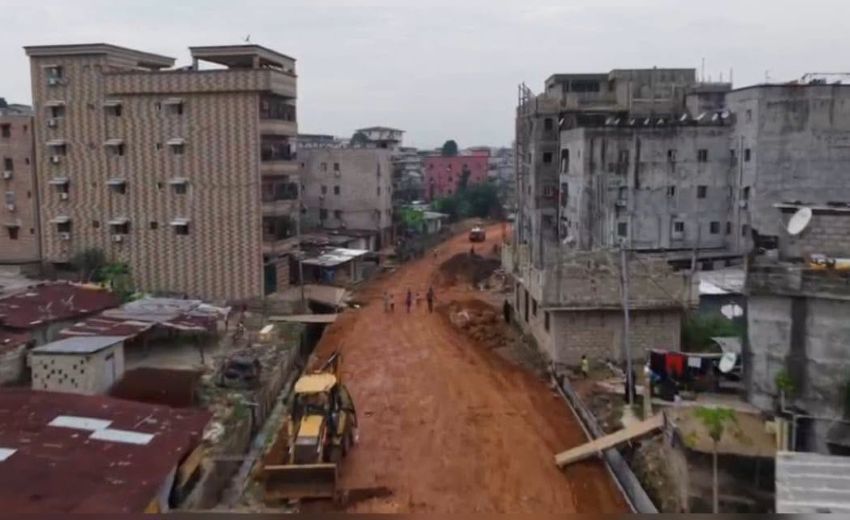
The municipal administration’s stated goal is unambiguous: restore order to Libreville’s urban landscape, improve public health, and position the Gabonese capital as a clean, modern, and inviting city. Few would argue against the need for such action, given the decades-long encroachment on sidewalks, intersections, and even entire roadways by makeshift markets and unregulated commercial activities.
To many residents, the mayor’s intervention represents long-overdue action. A political and economic hub like Libreville cannot thrive amid urban chaos that compromises mobility, public health, and economic appeal. The municipality’s campaign responds to a pressing demand for effective urban governance.
Yet as the deadline looms, a contrasting perspective is gaining traction. Not one that rejects municipal authority, but one that calls for a broader, more nuanced approach.
Beyond demolitions and evictions
A modern city is measured not only by its ability to enforce regulations but by its capacity to support citizens, anticipate social shifts, and deliver sustainable solutions. This viewpoint should not be dismissed as criticism of the ongoing campaign but rather as a call to enhance its long-term impact.
Behind every sidewalk vendor, every unlicensed garage, and every informal car wash lies a deeper economic reality: youth unemployment, low household incomes, the scarcity of affordable commercial spaces, high rental costs, and the proliferation of survival economies that inevitably spill into public spaces.
Without addressing these root causes, today’s evictions could simply resurface elsewhere tomorrow, in different forms and neighborhoods. The experience of African metropolises like Libreville shows that demolition campaigns rarely yield lasting results unless paired with relocation strategies and economic inclusion initiatives.
Addressing the root causes, not just the symptoms
The conversation in Libreville has evolved beyond mere urban order. It now centers on the kind of city Gabon’s capital aspires to become over the next decade.
Constructing new neighborhood markets, designating artisan zones, guiding informal traders toward formalization, and fostering ongoing dialogue between residents and municipal authorities are essential steps. These measures could transform a one-off enforcement operation into a sustainable public policy.
Raphaël Mouissi-Ntoko frames this challenge with a telling analogy: treating fever without addressing the illness that causes it is ultimately futile. The observation resonates with other African cities—Lagos, Kigali, Abidjan, Casablanca—that have grappled with rapid urbanization and found success by balancing regulatory rigor with social support.
Authority remains non-negotiable. A city cannot flourish without rules, respect for public property, or protection of communal assets. Yet urban policy history teaches that lasting authority is built not on coercion alone but on a foundation that combines enforcement, education, and real solutions.
A chance to redefine the urban social contract
Libreville’s current campaign could mark more than a cleanup effort. It may serve as the foundation for a renewed social contract between the city and its people. The municipal team now has a rare opportunity to prove that order can be restored without severing dialogue, that laws can be upheld without ignoring social realities, and that rules can be enforced while creating new opportunities.
The stakes are far greater than occupied sidewalks or illegal buildings. They concern how major African capitals of the 21st century will reconcile population growth, economic development, and social cohesion. Libreville has chosen to act decisively in response to a crisis that has reached critical levels.
The coming weeks will reveal whether the city can tackle the problem at its core, ensuring that the reclamation of public space is not just an administrative victory but the first step toward a more inclusive, humane, and enduring urban transformation for the Gabonese capital.