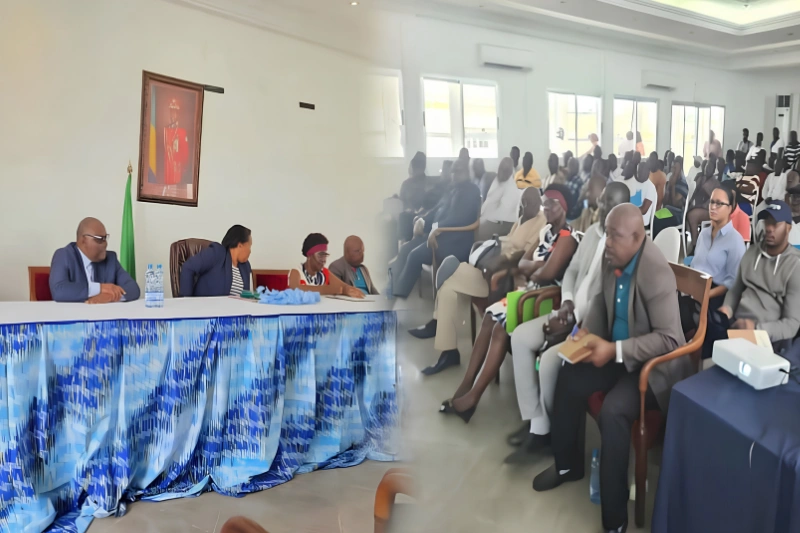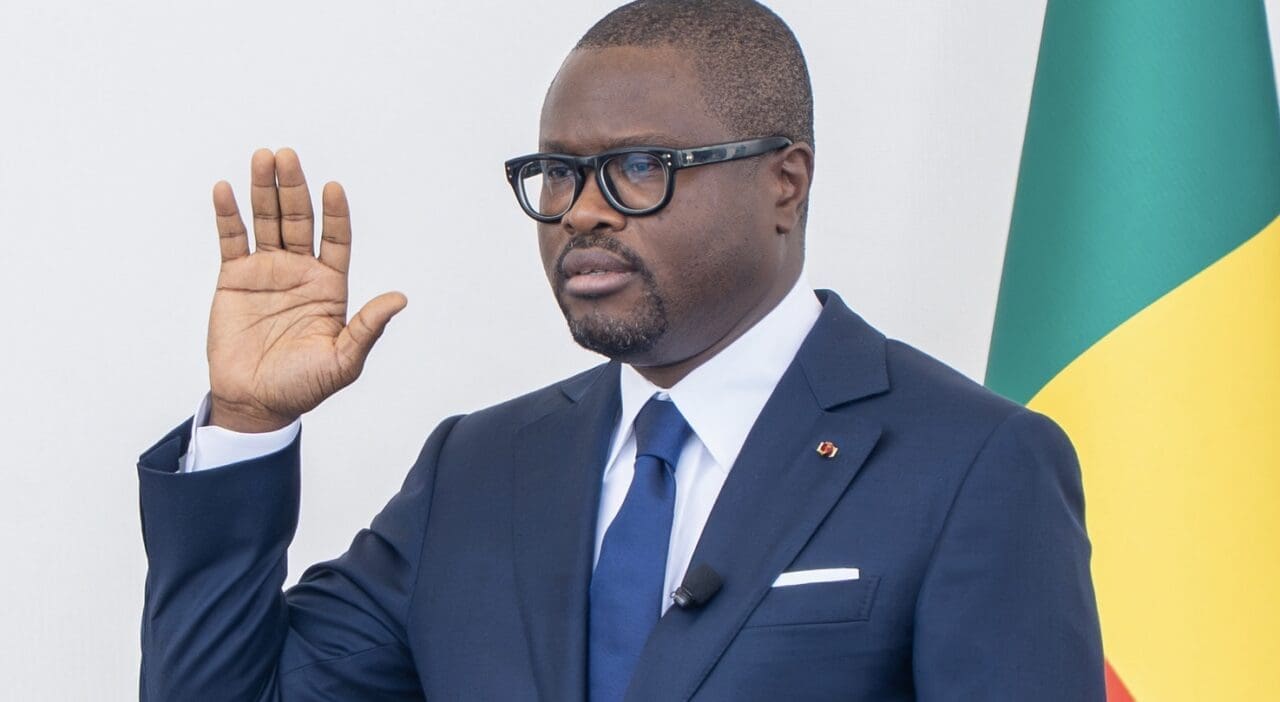
The international community converged on Cotonou last Sunday, May 24, for the investiture of Romuald Wadagni. The sprawling esplanade of the Palais des Congrès became a hub of high-level diplomacy, where figures such as Nigerian billionaire Aliko Dangote, Franco-Malagasy entrepreneur Hassanein Hiridjee, and key political leaders—including the Vice President of Nigeria and the Prime Minister of Niger—gathered to mark the occasion. This turnout underscored the credibility and international standing that Wadagni has cultivated over his years as Benin’s Minister of Finance.
High-stakes diplomatic engagements
Cotonou’s Palais des Congrès transformed into the epicenter of West African diplomacy. While Beninese tradition typically excludes sitting heads of state from inauguration ceremonies, the presence of over 16 foreign delegations sent a clear message about the new president’s regional influence. The attendance of Nigeria’s Vice President and Côte d’Ivoire’s Prime Minister highlighted Benin’s strategic alignment with the continent’s economic powerhouses.
The most resounding moment came when the appointment of Niger’s Prime Minister, Ali Mahamane Lamine Zeine, and the foreign ministers of Burkina Faso and Mali were announced. The crowd erupted in spontaneous applause, reflecting the deep-seated hope among Beninese citizens for a presidency that fosters regional reconciliation and stability. This optimism stems from Wadagni’s pre-inauguration gestures of goodwill, which have set the tone for a new era of cooperation.
Niger’s envoy captured the sentiment perfectly, stating to local press: «This marks the beginning of a new path forward.» Such remarks align with Wadagni’s campaign promises, which consistently emphasized the urgent need for neighboring nations to unite against terrorism. In his inaugural address, he reiterated that the countries of the subregion are «inextricably linked by shared challenges,» leaving no doubt about his commitment to collaborative solutions.
Business leaders rally behind the new president
The ceremony transcended political symbolism, evolving into an exclusive economic summit that showcased Wadagni’s decade-long tenure as a trusted steward of Benin’s finances. Prominent African business figures, including Aliko Dangote and Hassanein Hiridjee, joined the event, alongside influential figures like Adama Bictogo of Côte d’Ivoire’s Snedai Group and Gagan Gupta of Arise IIP. The presence of Makhtar Diop, CEO of the International Finance Corporation (IFC), was particularly notable, as it highlighted the president’s track record of economic stewardship.
Under Wadagni’s leadership, Benin has emerged as one of Africa’s fastest-growing economies, with a projected growth rate of 6.5% for 2026. His fiscal policies have bolstered domestic revenues to over 1,000 billion FCFA while keeping public debt below 55% of GDP—achievements that have reassured investors and development partners alike.
The Glo-Djigbé Industrial Zone (GDIZ), a flagship project developed in partnership with Arise IIP, stands as a testament to this progress. Already generating over 25,000 jobs and exporting garments to Europe and the U.S., the GDIZ embodies Benin’s shift toward local value addition and industrialization. This model of economic attractiveness is poised to expand across the country, signaling a new chapter for Benin’s development.
The world’s attention on Cotonou that day was no coincidence. Romuald Wadagni had already proven his mettle as Finance Minister, and the international community is now placing its bets on him to lead Benin toward a prosperous and stable future.