UN warns of natural resource exploitation fueling armed conflicts
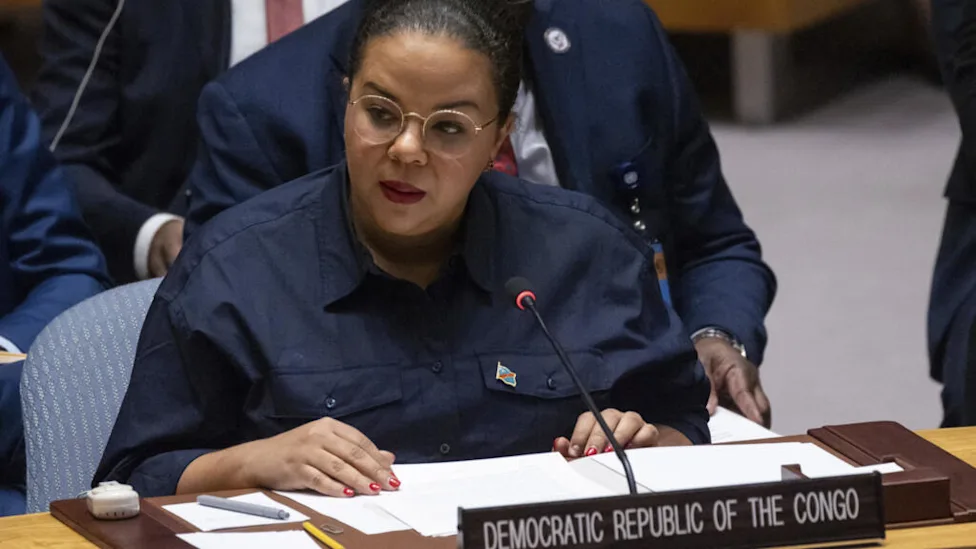
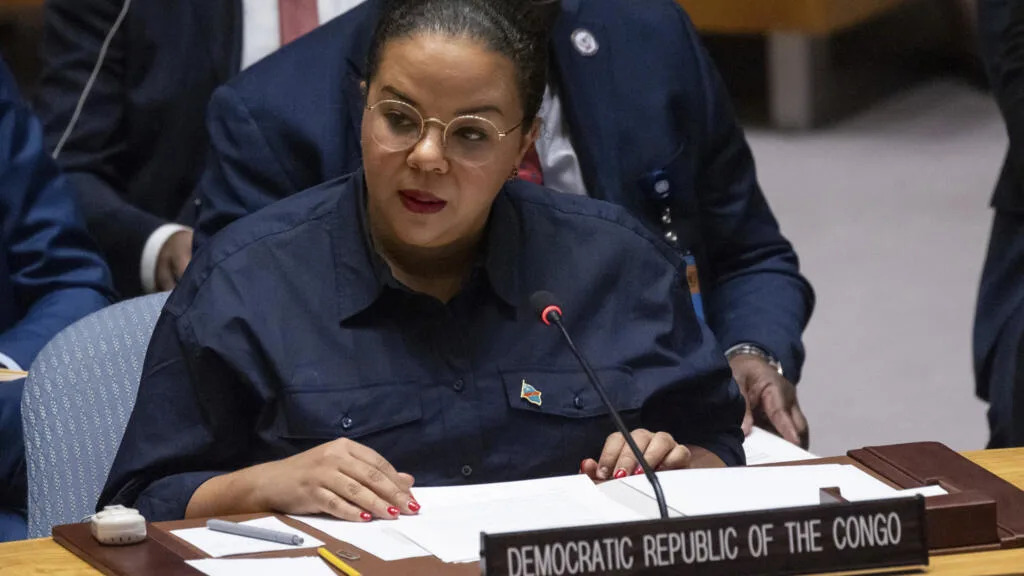
During a critical session at the United Nations Security Council, Democratic Republic of the Congo’s Foreign Minister Thérèse Kayikwamba Wagner emphasized that the focus should not be on imposing new international obligations. Instead, she advocated for strengthening existing mechanisms in mineral traceability, sanctions, and resource governance to curb conflict escalation.
Addressing concerns about potential overreach, she clarified that the proposal neither seeks to establish a global mining code nor undermine national sovereignty over natural resources.
France reiterated its stance by urging full implementation of Resolution 2773, which targets the eastern Democratic Republic of the Congo. Highlighting the strategic threat posed by armed groups, French representatives noted that the M23 currently controls between 15% and 30% of global coltan production in Rubaya. They called for tighter traceability systems and reinforced sanctions to disrupt funding streams fueling violence.
Clashing international perspectives
The United States prioritized securing supply chains for critical minerals and announced investments aimed at stabilizing the sector. Meanwhile, China advocated for non-interference in domestic resource management, arguing against politicizing discussions on mineral governance.
Russia took a stronger stance, dismissing claims of regulatory gaps and attributing conflicts primarily to political instability and foreign interference rather than the absence of international frameworks.
These divergent viewpoints underscored the deep divides among global powers regarding the governance of natural resources and their role in sustaining armed conflicts.