Senegal infrastructure update
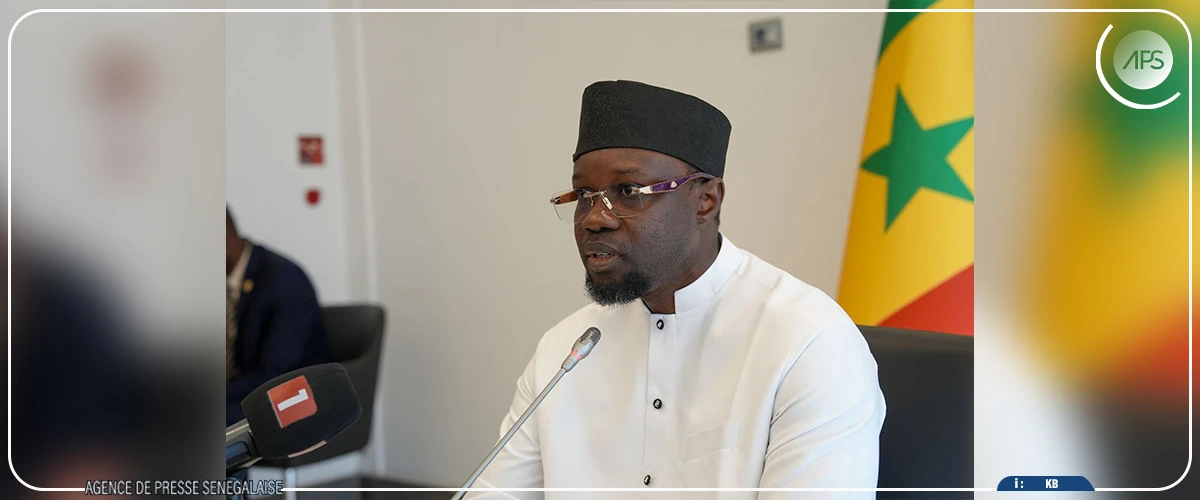
Dakar, May 21 — The Senegalese government has identified 245 stalled infrastructure projects worth a collective 279 billion West African CFA francs, Prime Minister Ousmane Sonko announced during a high-level interministerial meeting on Thursday.
In a directive issued by the Council of Ministers on April 15, all government departments were tasked with auditing stalled projects under their jurisdiction. The results, presented by Sonko, revealed that 245 projects across the nation remain either incomplete or operational but inactive, creating dormant assets valued at 279 billion francs.
Financial shortfalls top the list of causes
Sonko emphasized that insufficient funding stands as the primary obstacle preventing these projects from moving forward. Technical challenges also contribute significantly to the delays, with several infrastructures left idle due to unresolved engineering issues.
To address the situation, the Prime Minister announced two decisive measures: the establishment of a dedicated committee within the Prime Minister’s Office to oversee the completion of the audit and a formal request to broaden the inventory, which he believes may not yet capture the full scope of the problem.
Proactive measures to prevent future setbacks
Sonko called on relevant agencies to adopt preventive strategies, particularly in anticipating technical hurdles such as water and electricity network connections for new infrastructures. He stressed the importance of integrating operational readiness into the planning phase, warning that neglecting this aspect has led to substantial financial losses.
Highlighting systemic inefficiencies, Sonko condemned what he described as deliberate delays, negligence, and lax oversight as key drivers behind project stagnation. He called for a zero-tolerance policy to eradicate these malpractices and ensure timely delivery of critical public works.