Download pricing grid

Senegal launches task force to unblock 245 stalled public projects and assets
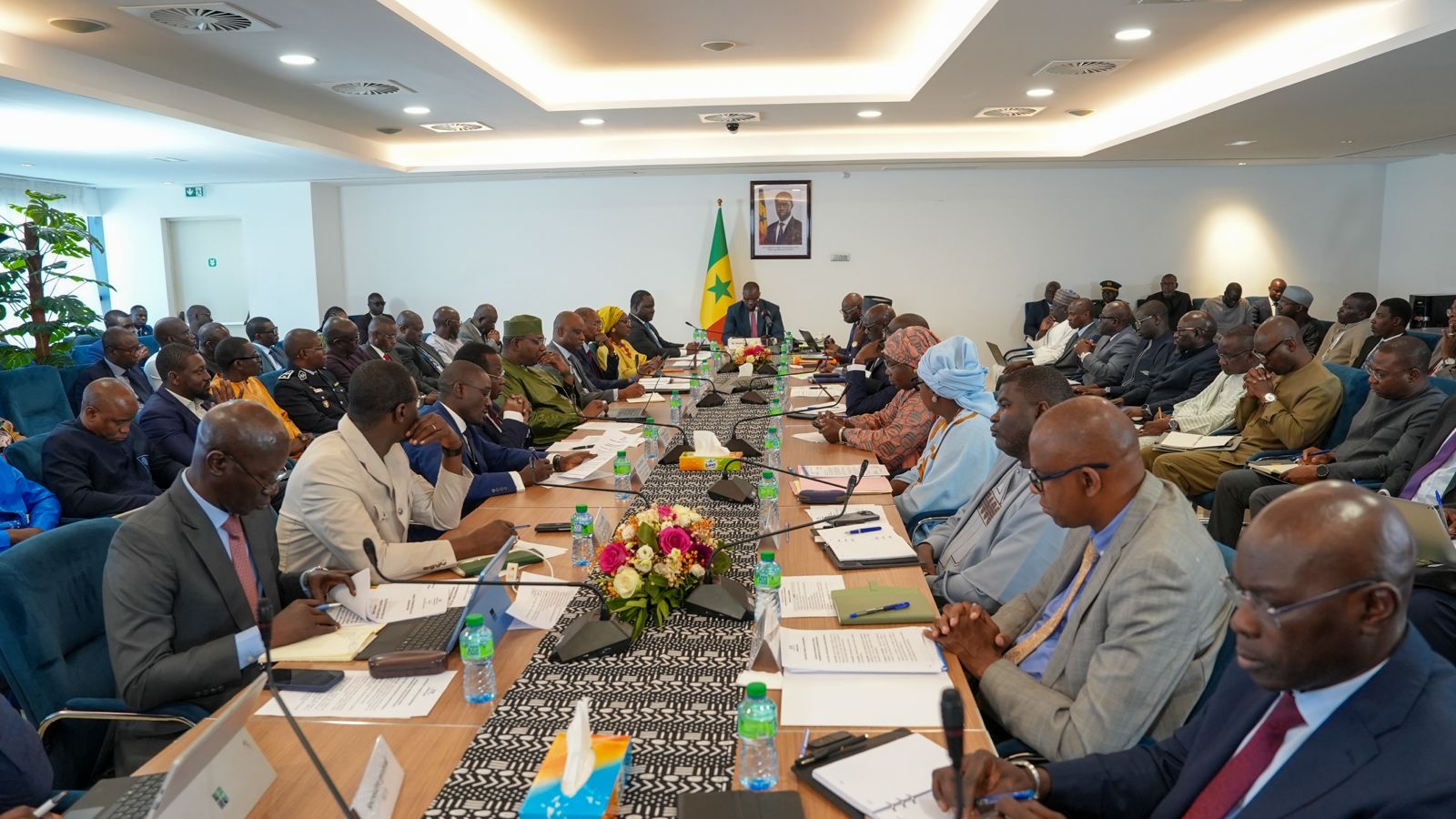
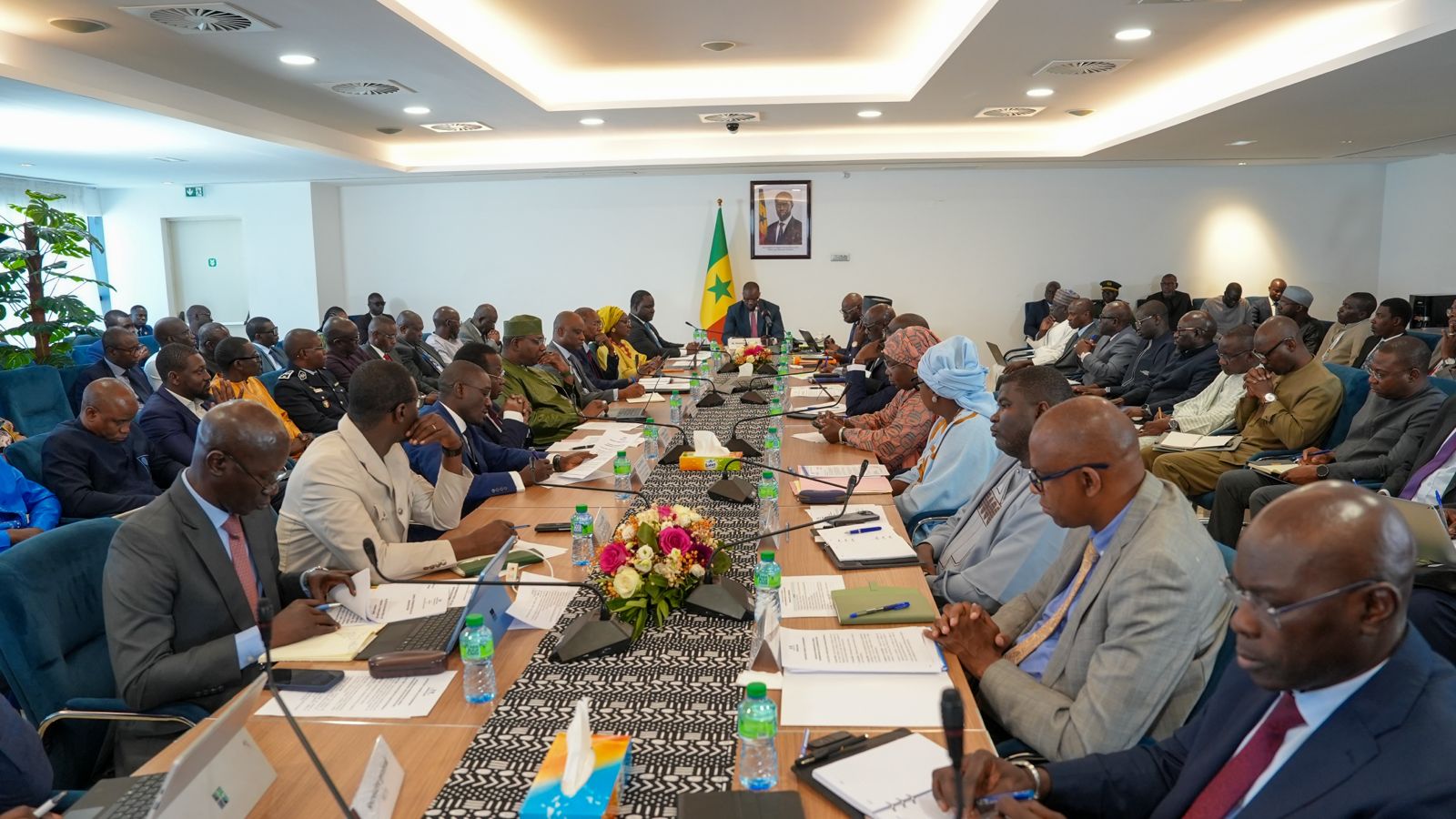
Prime Minister Ousmane Sonko chaired an inter-ministerial infrastructure council today in Dakar, assessing a critical backlog of public projects. The government’s audit revealed 245 assets and infrastructure initiatives, valued in the trillions of CFA francs, stalled by financial, legal, technical, or operational hurdles.
Among the findings, 30 completed projects remain unused, with 25 currently frozen, representing a frozen investment of 279 billion CFA francs. Fifteen of these projects have been designated high-priority due to their economic and strategic importance.
The audit also uncovered 23 operational assets that could be repurposed or revitalized, with an estimated value of 1,065 billion CFA francs. Additionally, 94 ongoing projects—62 of which are at a standstill—require a total investment of 5,227 billion CFA francs, with an additional 973 billion CFA francs needed to complete them.
The government’s review extended to state-owned real estate and land holdings, identifying 97 properties—primarily in Dakar—worth 132 billion CFA francs on the market.
In response, Prime Minister Sonko announced sweeping measures to fast-track the activation, completion, or monetization of these assets. He ordered the Secretary-General of the Government to establish an inclusive task force immediately, chaired by the Prime Minister himself. This committee will meet weekly and deliver an operational roadmap by 30 June 2026.
The task force’s mandate includes proposing solutions to finalize stalled projects, designing sustainable management and operational models, and developing strategies to recycle and maximize the value of public assets.
The audit highlighted financial constraints as the primary obstacle, with 42 projects stalled due to funding gaps, delayed payments, or insufficient investment credits. Other projects face technical challenges, legal disputes, or lack of viable exploitation frameworks.
The Prime Minister emphasized the paradoxical situation of completed but unused infrastructure, often left idle for years. Many remain non-operational due to coordination failures, incomplete handover procedures, or misalignment with actual needs.
Key projects targeted for intervention include port and maritime infrastructure in Foundiougne, Soumbédioune, and Ndangane; Youth and Citizenship Houses across regions; Naatangué ANIDA village farms; and agropoles in Mpal, Adéane, Dioulacoulon, and Mbellacadiao.
Major stalled initiatives include the Sine-Saloum University, 45 Digital Open Spaces (ENO), regional airports in Saint-Louis, Matam, and Kolda, the Ndayane Port Container Terminal, the Le Joola Memorial, and the Aristide Le Dantec Hospital.
The government is also exploring public-private partnerships to optimize the use of several assets, particularly national stadiums, parks, nature reserves, and state-owned diplomatic properties abroad.
Through this comprehensive audit and restructuring effort, the executive aims to enhance the efficiency of public investment, reduce dormant assets, and improve the profitability of state-funded infrastructure.
Related Posts
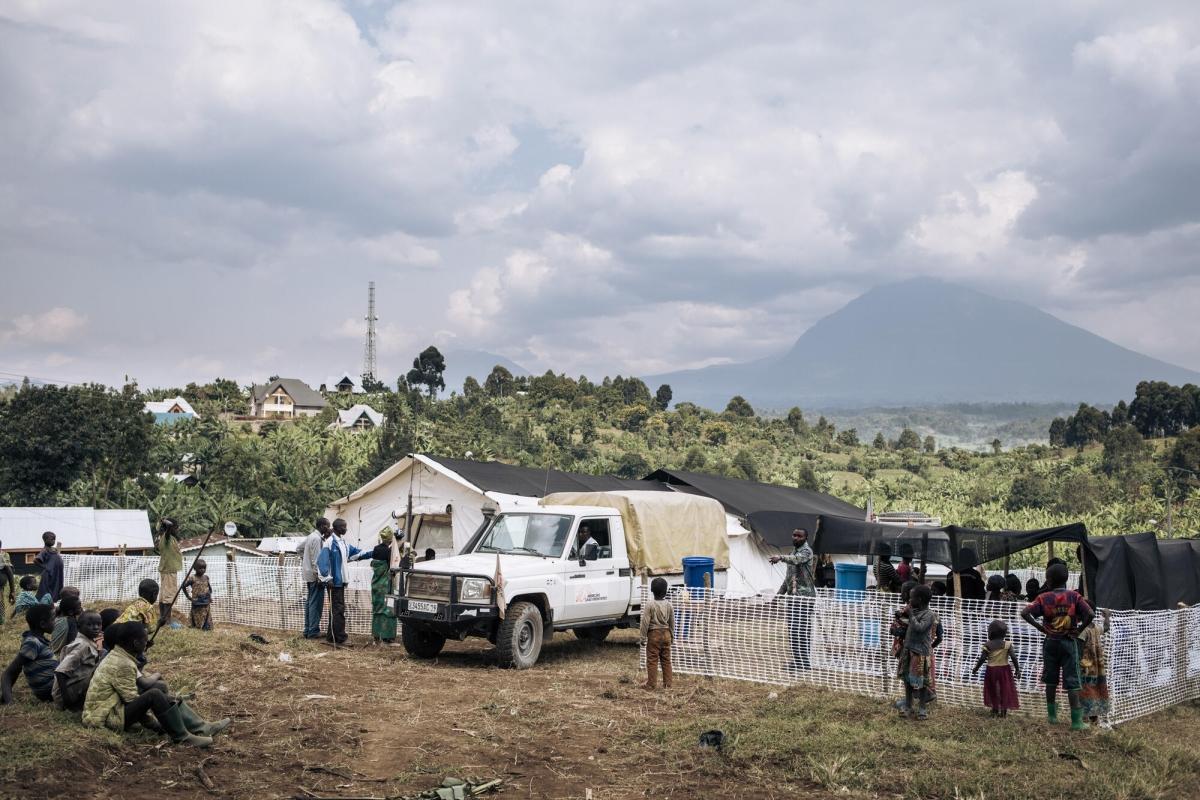
Drc faces malaria funding gap in north kivu amid crises
DRC faces malaria funding gap in North Kivu amid crises 16 July 2026 With the Global Fund’s grant application cycle nearing closure, Médecins Sans Frontières […]
Burkina Faso security minister assesses nayala province situation
On Sunday, Burkina Faso’s Minister of Security, Mahamadou Sana, embarked on a crucial tour of the Nayala province. Acting under direct instructions from the President […]
French national sentenced to 20 years in Mali over alleged state destabilization plot
In a landmark ruling handed down by Malian authorities, a French national has been sentenced to two decades behind bars for his alleged involvement in […]