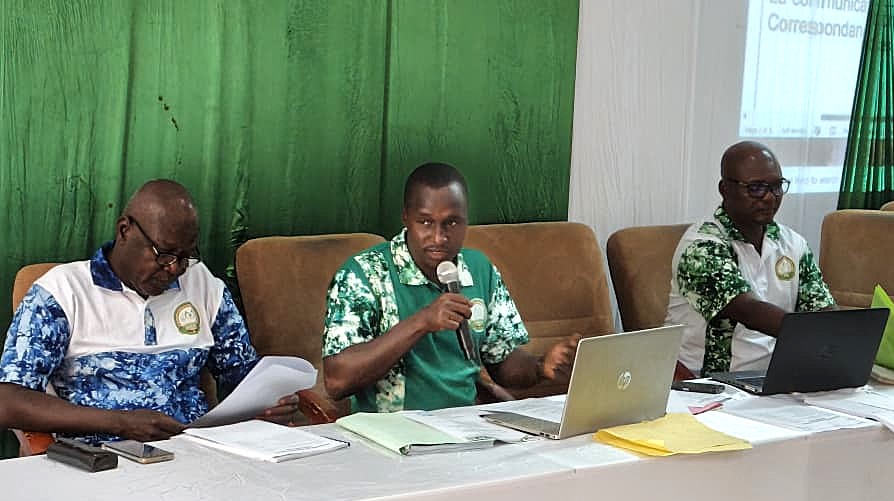
The Union of Public Pharmaceutical Depot Managers and Cashiers of Burkina Faso convened its sixth general assembly in Ouagadougou, rallying over 3,000 professionals from across the country’s health districts. Under the banner of ‘Resilience in public service for the people’, participants voiced mounting frustrations over unmet demands for professional recognition and fair compensation.

Ousmane Bolly, president of the Union, highlighted the plight of workers who have dedicated two to three decades to the public health system without job security or a defined professional framework. ‘Some of these dedicated individuals earn as little as 25,000 FCFA per month—barely enough to cover basic needs,’ he emphasized. Despite their critical role in distributing medicines and assisting patients, many fear public backlash for joining the Union, with some facing retaliation for advocating better conditions.
Lack of legal recognition fuels vulnerability
The core of their grievances lies in the absence of an official statute governing their profession. Without regulatory protection, depot managers and cashiers remain exposed to arbitrary dismissals, particularly when they demand fair treatment. The Union’s representatives stress that this legal void undermines both their dignity and the stability of Burkina Faso’s pharmaceutical supply chain.
Unsustainable wages in a rising cost-of-living crisis
Participants condemned monthly salaries ranging from 20,000 to 25,000 FCFA, describing them as grossly inadequate amid soaring living costs. ‘These workers are the backbone of our health system,’ noted Bolly, ‘yet their compensation fails to reflect their indispensable contributions.’ The Union has documented cases where employees earned below the national minimum wage despite decades of service.
A decade of stalled negotiations
Since 2020, the Union has pursued multiple avenues to secure recognition and better pay:
- Direct dialogues with the Ministry of Health and Public Service;
- High-level meetings with government officials;
- Participation in policy forums on pharmaceutical governance.
Despite submitting a comprehensive membership census to authorities, tangible progress remains elusive. The Union now urges direct state intervention to address systemic inequities, arguing that pharmaceutical revenues alone cannot sustain long-term improvements.
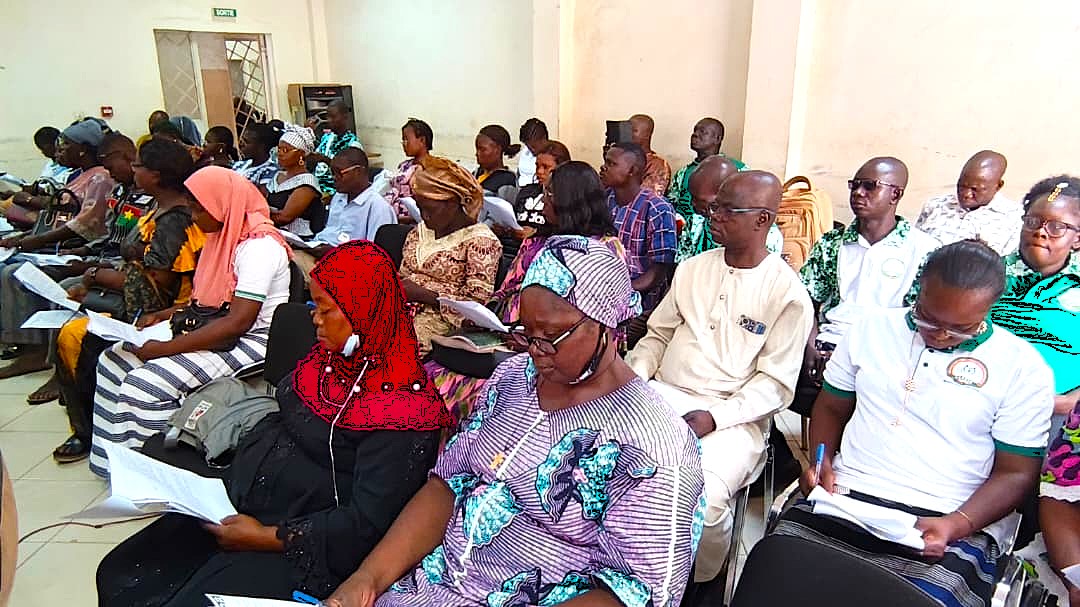
In closing remarks, Bolly commended the assembly’s unity while urging authorities to act swiftly. ‘Our dedication is unwavering, but we cannot sustain it without justice,’ he declared. The Union’s plea underscores a broader challenge: protecting the professionals who safeguard public health in Burkina Faso.