Burkina Faso severs ties with France, aligning AES states against Paris
On June 26, 2026, Burkina Faso declared an immediate end to its diplomatic relations with France. This pivotal decision, framed by Ouagadougou as an assertion of national sovereignty, underscores the deep deterioration in bilateral ties and positions Burkina Faso squarely alongside Mali and Niger within the Alliance of Sahel States (AES).

Summary
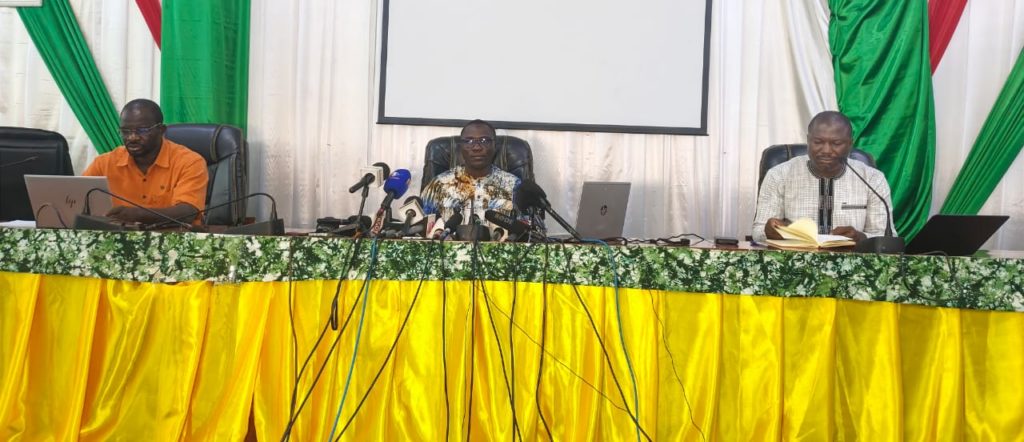
Burkina Faso has formally severed its diplomatic connections with France, a declaration made on Friday, June 26, 2026. This move signifies a critical escalation in the already strained relationship between Ouagadougou and Paris, a dynamic that has intensified since Captain Ibrahim Traoré assumed leadership. The government’s official spokesperson, Pingdwendé Gilbert Ouédraogo, conveyed the decision via national television, confirming the immediate effect of the diplomatic break from June 26, 2026.
Ouagadougou asserts that Paris has engaged in actions detrimental to Burkina Faso’s interests, citing allegations of interference, neo-colonial aspirations, and backing groups deemed hostile to the nation. France, in turn, has dismissed these accusations as “hostile and unfounded.”
This diplomatic separation is not an isolated incident but rather the culmination of escalating tensions following the September 2022 coup. Over recent years, Burkinabè authorities have systematically acted to diminish French influence within the country.
Notable examples include the January 2023 demand for the withdrawal of French special forces involved in Operation Sabre, followed by the suspension or prohibition of several prominent French media outlets like RFI, France 24, and TV5 Monde. Furthermore, French diplomats have faced expulsion amidst persistent accusations of engaging in activities deemed incompatible with Burkina Faso’s national interests.
Therefore, this diplomatic rupture represents the final stage of a prolonged process, solidifying the Burkinabè government’s commitment to dismantle its historical cooperation framework with France across diplomatic, military, and media spheres.
France has acknowledged Ouagadougou’s decision, indicating it is evaluating reciprocal measures and urging its citizens residing in Burkina Faso to heighten their vigilance.
The AES now united against Paris
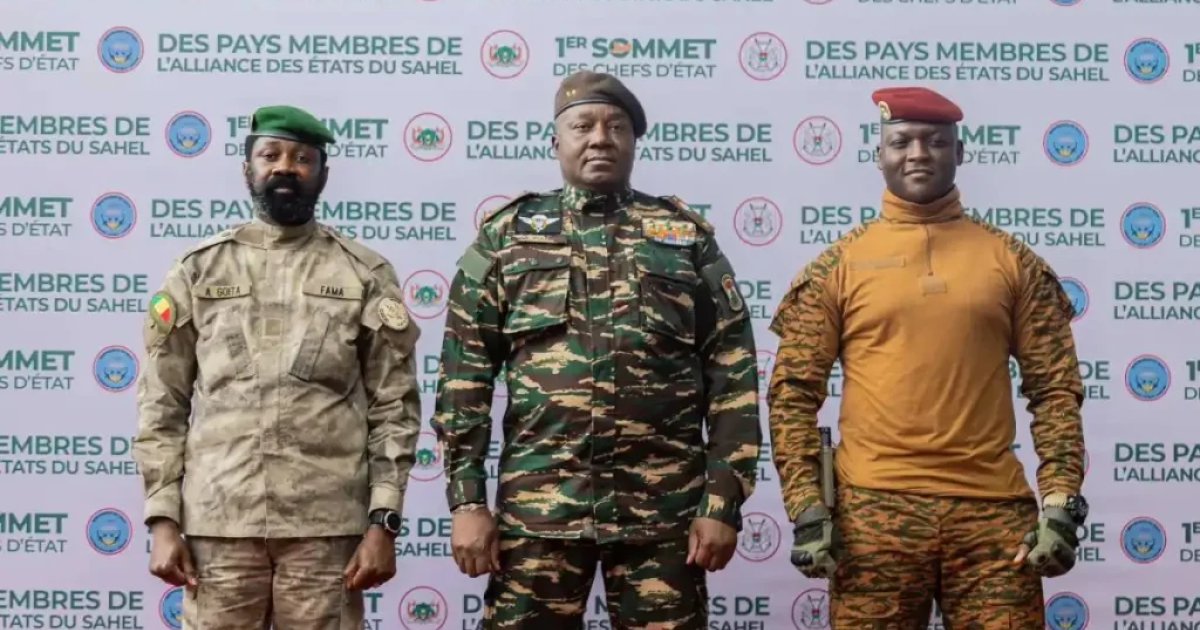
With this significant development, Burkina Faso now stands with Mali and Niger in their pronounced disengagement from France. The three member states of the Alliance of Sahel States (AES) have collectively adopted a unified stance against Paris.
Both Mali and Niger previously initiated their own processes of severing ties with France, driven by a backdrop of political, military, and diplomatic strains. Burkina Faso’s latest move completes the AES’s consolidation around a sovereignist and anti-interference agenda.
This evolution distinctly marks an ongoing geopolitical realignment across the Sahel region. Following their withdrawal from ECOWAS, Mali, Burkina Faso, and Niger have bolstered their collaborative efforts within the AES, concurrently diversifying their international partnerships to include nations such as Russia, Turkey, and Iran.
From Ouagadougou’s perspective, the break with Paris is integral to its explicit objective of redefining alliances and asserting greater autonomy over its diplomatic and security policies. For France, however, it signals a further erosion of its historical influence in a region where its presence was once paramount.
This decision introduces a period of uncertainty regarding the management of diplomatic, consular, and security affairs between the two nations. Crucially, it reaffirms that the Francophone Sahel is navigating a profound phase of recomposition, with the AES resolutely presenting a united front to its former Western partners.