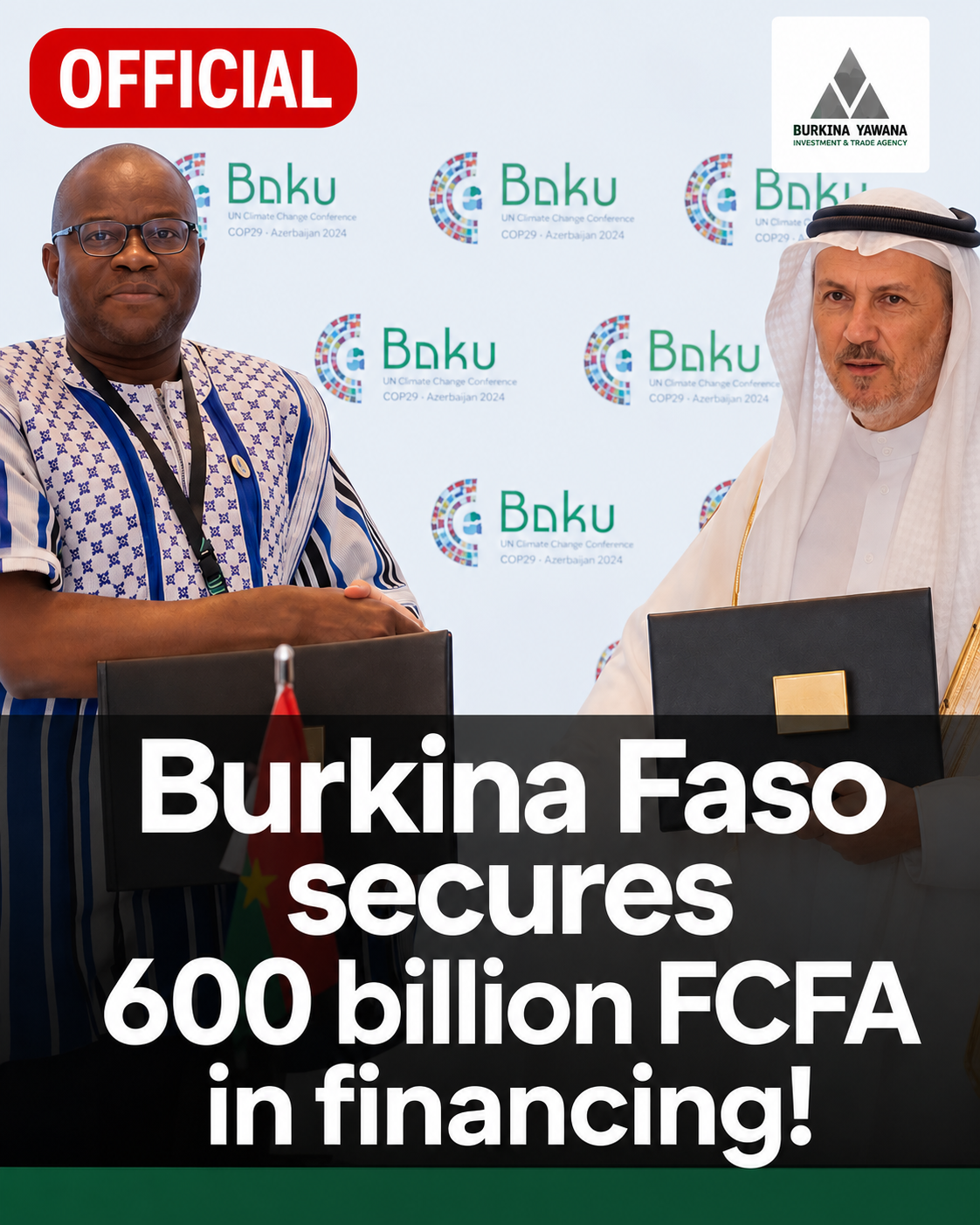
In Baku, Minister Aboubakar Nacanabo recently formalized a significant new financing agreement with the International Islamic Trade Finance Corporation (ITFC). This substantial financial injection is poised to invigorate the Burkinabè economy, targeting vital sectors such as fuel, staple cereals, agricultural fertilizers, and support for small and medium-sized enterprises. While offering a critical lifeline to the national market, this development simultaneously serves as a stark reminder of economic realities for the general public.
Such a pivotal endorsement often transpires without much local media fanfare, yet its ramifications profoundly impact the daily lives of Burkinabè citizens. By securing this collaboration in Azerbaijan, the government ensures the sustained provision of essential commodities. Without these funds, the task of maintaining adequate fertilizer reserves for agricultural seasons or stabilizing fuel prices at the pumps would present considerable challenges.
Nevertheless, this particular transaction prompts critical examination. For an extended period, a consistent narrative has permeated official statements and public gatherings: the assertion that Burkina Faso is advancing its development “through its own resources,” proudly championing the slogan “y’a pas crédit dedans” (there’s no credit involved). This appealing rhetoric of national economic autonomy, however, frequently confronts the unyielding realities of global economic dynamics.
How, then, does a nation that vociferously proclaims its capacity to forgo external assistance find itself formalizing such extensive financing arrangements thousands of kilometers from its capital, Ouagadougou?
The notion of “zero debt” offers a comforting facade, yet it conceals a potentially severe repercussion. By failing to directly address this inherent financial reliance, a considerable segment of the populace remains unaware of the nation’s true level of indebtedness. The eventual realization could prove abrupt: Burkina Faso risks finding itself just as burdened by financial obligations as it has been historically, with the added irony of its past declarations.
Economic principles operate independently of political maneuvering. While the aspiration to fund national development solely through domestic efforts is commendable, the everyday circumstances of Burkinabè citizens presently depend, to a significant extent, on the successful conclusion of these international agreements.