As the Sahel region grapples with a bloody surge in human rights violations across Mali, Burkina Faso, and Niger, the United States faces increasing pressure to intervene. On Capitol Hill, Representative James P. McGovern has intensified his calls for the US administration to implement targeted sanctions against the high-ranking officials of the military juntas in the Sahel. With a devastating toll of over 2,600 lives lost by early 2026, marked by the massacre of 500 civilians in Mali, extrajudicial killings in Burkina Faso, and deadly airstrikes in Niger, the region has reached a critical threshold. Local populations find themselves trapped in a dire humanitarian crisis, squeezed between the brutal tactics of terrorist groups and repressive state actions.
James P. McGovern’s charge: Washington called to act
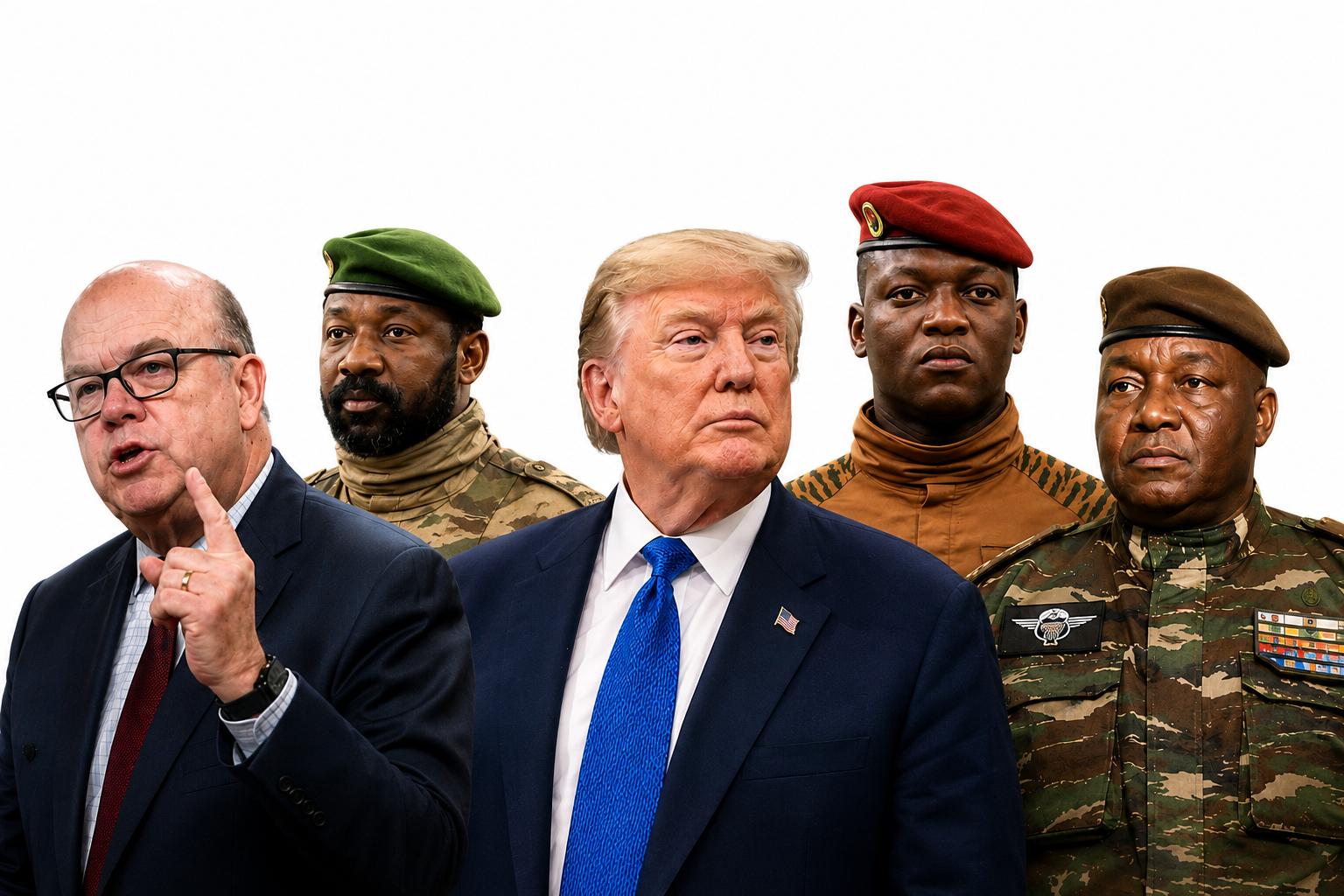
The situation in the Sahel has become a pressing concern within the US Congress. Democratic Congressman James P. McGovern, widely respected for his unwavering commitment to fundamental freedoms, has directly appealed to the White House. His message is unequivocal: the United States can no longer overlook the authoritarian excesses that are plunging the Sahel into chaos and bloodshed.
In a decisive political move, the congressman has urged the administration to deploy America’s full diplomatic and financial toolkit. This includes imposing targeted sanctions on the military officers currently holding power in Bamako, Ouagadougou, and Niamey. Measures such as asset freezes, travel bans, and Magnitsky Act sanctions are specifically designed to strike at the core of these putschist regimes, which have suppressed democratic governance.
A central demand articulated by James P. McGovern is the immediate and unconditional release of Mohamed Bazoum. Niger’s democratically elected former president has remained detained by the Niamey junta since the July 2023 coup, serving as a poignant symbol of the democratic backslide sweeping across West Africa. For American diplomats, continued inaction is no longer a viable option if Washington intends to uphold its moral standing on the international stage.
The grim reality of 2026: a spiral of state-sponsored violence
On the ground, the statistics paint a chilling picture. Since the beginning of 2026, the region has already recorded more than 2,600 conflict-related fatalities. Far from delivering the stability promised upon their respective power grabs, the military juntas have instead fostered a climate of pervasive terror, with civilians bearing the heaviest burden.
Mali: concealed massacres
In Mali, the humanitarian and security landscape has reached a critical point. Military operations conducted in the country’s central and northern regions, frequently supported by foreign mercenaries, have led to systematic abuses. A recent incident involving the summary execution of nearly 500 men in villages suspected of collaborating with insurgents has sparked widespread condemnation from international organizations. These mass killings, rather than diminishing the jihadist threat, are instead fueling resentment and bolstering recruitment efforts by armed groups.
Burkina Faso: targeted repression and forced conscription
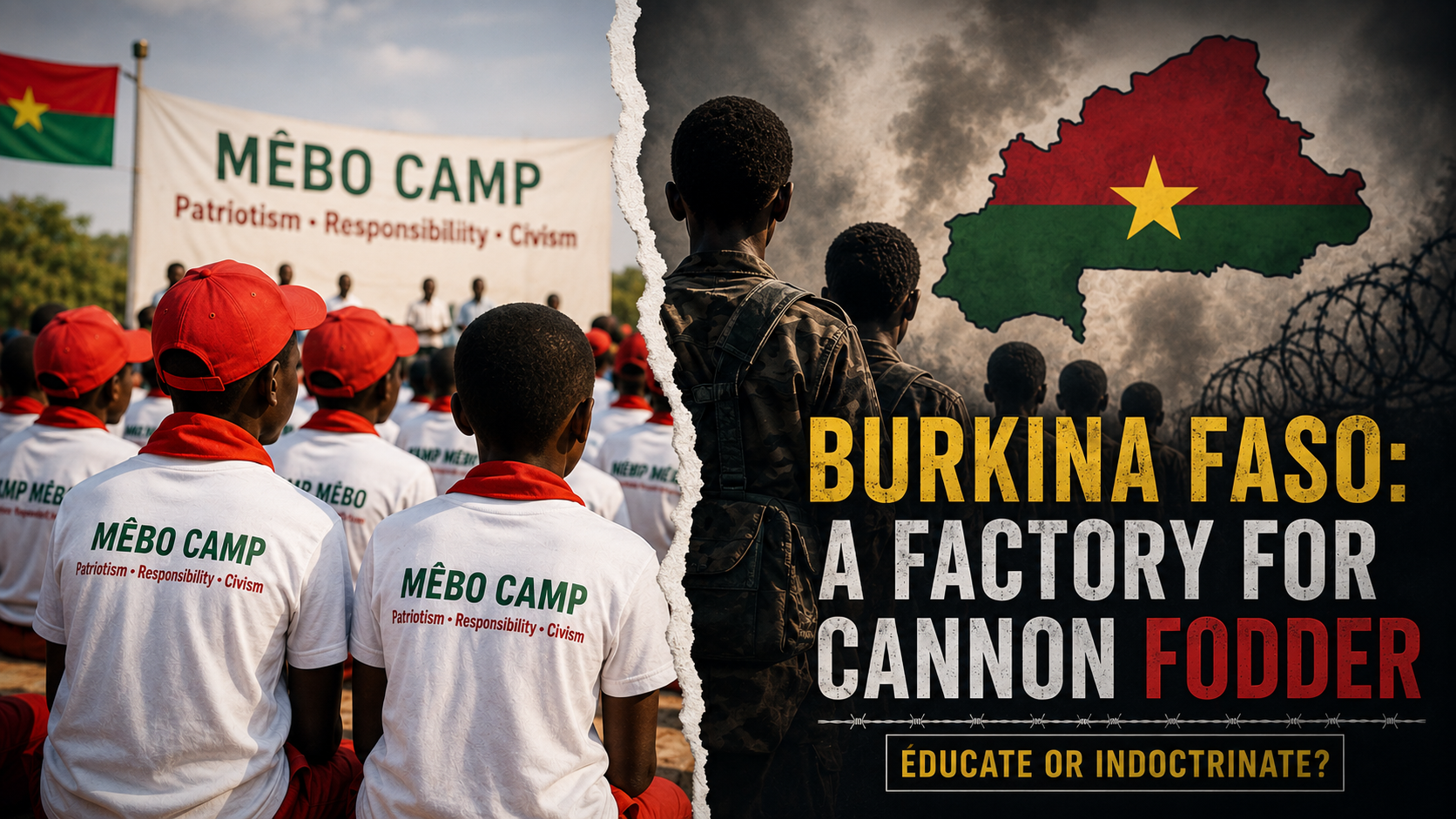
In Ouagadougou, the junta led by Captain Ibrahim Traoré has transformed state institutions into a formidable instrument of intimidation. Extrajudicial executions are proliferating in rural areas under the guise of counter-terrorism operations. Even more alarming is the regime’s use of a “general mobilization” law to forcibly dispatch critics – including journalists, magistrates, human rights activists, and political opponents – to the front lines. This forced enlistment is viewed by many as a disguised death sentence.
Niger: indiscriminate strikes impact civilians
Niger’s military regime, headed by General Abdourahamane Tiani, is contending with an unprecedented deterioration in security. Recent aerial strikes, ostensibly aimed at terrorist convoys, have tragically impacted markets and civilian gatherings, resulting in dozens of innocent casualties. The complete absence of independent investigations perpetuates a culture of impunity.
The plight of residents: caught between two fires
Beyond the stark figures and diplomatic pronouncements, it is the shattered daily lives of local populations that truly reveal the depth of this unfolding tragedy. In the villages of Liptako-Gourma, often referred to as the “three borders” zone, residents describe an existence that has become unbearable, trapped in a deadly vise.
“If we refuse to give our harvests to the jihadists, they kill us. But if the army arrives and discovers that the terrorists have visited us, we are accused of treason and executed on the spot,” an anonymous farmer from Mali’s Mopti region disclosed.
This dual terror has driven millions from their homes. Forced displacements have reached record levels, triggering a major humanitarian crisis. Compounding this is a brutal economic asphyxiation. The diplomatic isolation of the Alliance of Sahel States (AES) regimes, coupled with the diversion of public funds towards war efforts at the expense of health and education, is plunging families into extreme precarity. Strict censorship imposed on local media and the expulsion of foreign correspondents prevent any effective reporting on the plight of these forgotten citizens.
Washington’s strategic dilemma: navigating the Moscow-Beijing axis
While Representative McGovern’s demands resonate powerfully, their implementation presents a complex geopolitical challenge for the American administration. The decision to impose direct sanctions on the Sahelian juntas occurs within a context of profound shifts in international alliances.
By progressively severing ties with traditional Western partners and demanding the withdrawal of American and French troops, the regimes in Bamako, Ouagadougou, and Niamey have sought new patrons, particularly Russia and China. Some observers warn that imposing severe financial and political sanctions risks accelerating this geopolitical realignment, potentially pushing the AES definitively into Moscow’s orbit.
However, many analysts contend that inaction would be equally disastrous. Allowing military regimes to commit war crimes with impunity under the guise of sovereignty would only further destabilize the entire region. For Washington, the challenge lies in demonstrating that respect for human life and international legality remains a non-negotiable condition of its diplomatic engagement.
The urgency of a strong signal
The Sahel is currently enduring one of the darkest crises in its contemporary history. As the civilian death toll continues to mount in 2026, James P. McGovern’s initiative serves as a crucial reminder that the international community cannot remain a passive observer of this tragedy.
Sanctioning the junta leaders will not undo the human losses, but it would establish a clear boundary against pervasive impunity. Should Washington take this step, the message would be unambiguous: the fight against terrorism cannot serve as a pretext for the destruction of freedoms and the massacre of innocent civilians. All eyes are now on the White House.