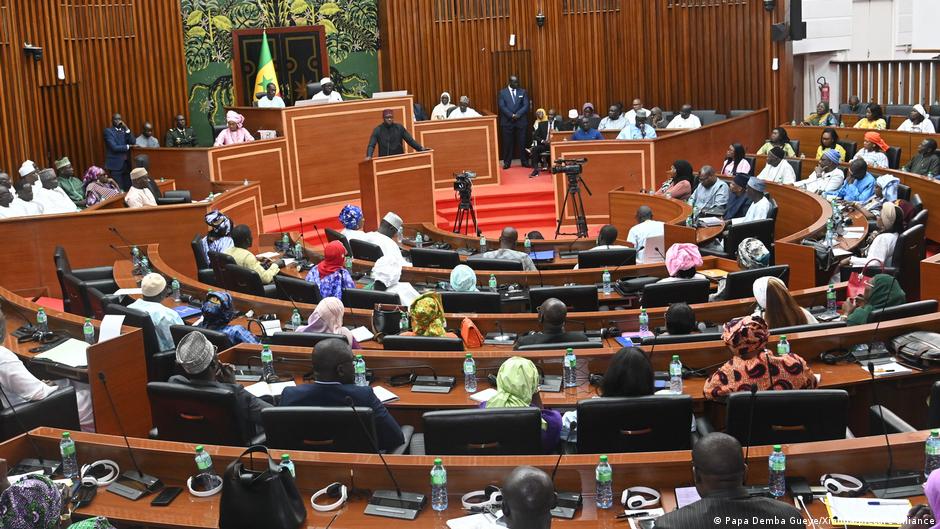
The debate over political transparency in Senegal has taken a decisive turn following the approval of a landmark asset declaration law. While the National Assembly gave its backing to this reform, its journey is far from over—now moving to the ballot box for final validation.
On Monday, August 17, 2026, lawmakers voted overwhelmingly in favor of the bill, requiring the nation’s top officials—the President, Prime Minister, and National Assembly Speaker—to disclose their assets both at the start and conclusion of their terms. This requirement, initially enshrined in the Constitution in 2001, now carries stricter enforcement timelines, with declarations to be submitted to the Constitutional Council within three months of assuming or leaving office.
Political backing and public expectation
The Pastef party, led by National Assembly Speaker Ousmane Sonko, has championed this legislation as a cornerstone of its anti-corruption agenda. Party spokesperson Ansoumana Sambou emphasized the move’s significance in fostering public trust and accountability.
“Passing this law is a critical step toward transparency in governance, aligning with Pastef’s values. Letting citizens scrutinize their leaders’ wealth helps curb illicit enrichment and misuse of public funds,” Sambou stated.
From legislation to referendum
Despite parliamentary approval, the reform’s future now hinges on a national referendum—a decision announced by the President. Justice Minister Moussa Sarr clarified that the move aligns with constitutional provisions, framing it as part of a broader governance overhaul.
“The President has opted to submit this reform to a referendum for broader constitutional validation, ensuring it reflects the will of the people,” Sarr noted.
Economic concerns and political tensions
Critics, however, question the necessity of a referendum, especially amid Senegal’s economic challenges. Political analyst Moussa Diaw called the move puzzling, arguing that the reform’s principles are already widely supported.
“Why subject a widely accepted law to a costly referendum when the country faces severe economic pressures? The public consensus on asset declarations is clear—this reform should proceed without delay,” Diaw remarked.
For Pastef, the referendum’s rationale remains unclear. Sambou dismissed concerns about public opposition, asserting that the reform enjoys broad approval.
“No controversy surrounds this issue. On the contrary, it’s widely welcomed. Mandating asset declarations at the start and end of any public office term is a commendable practice,” he added.
With the reform now tied to a referendum, the debate has evolved into a political battleground between Pastef and the administration led by Bassirou Diomaye Faye. The coming days will see further legislative scrutiny, particularly over the examination of special funds—often criticized for their opacity—managed by the presidency and prime minister’s offices.