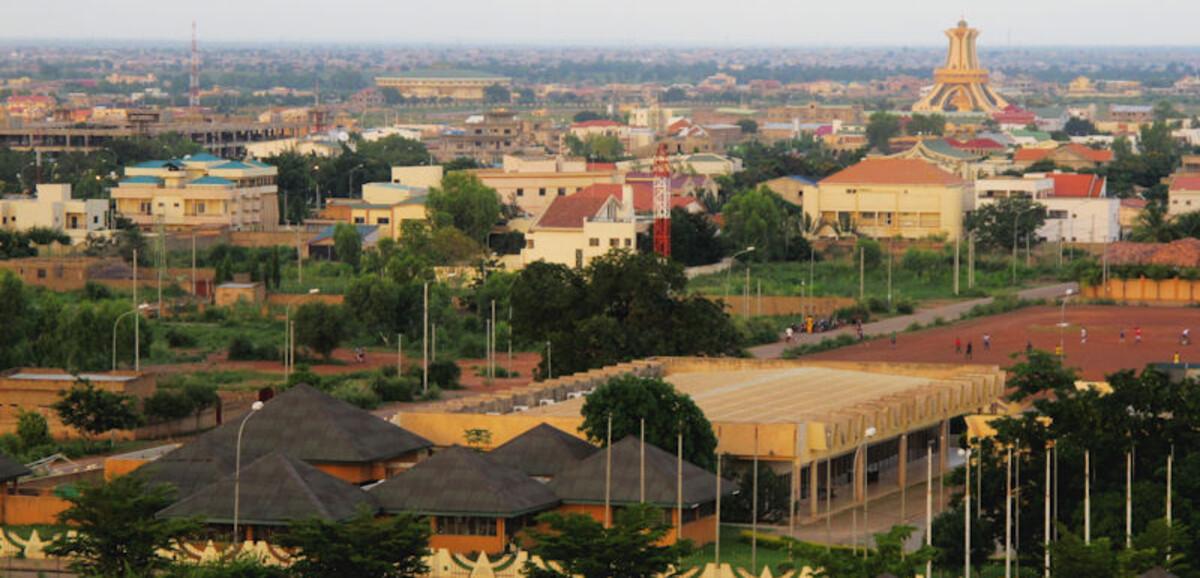
As Burkina Faso’s Muslim community prepares to observe Ramadan—a month marked by heightened spiritual reflection and increased consumption—the nation’s livestock sector finds itself ensnared in a critical impasse. The government’s stringent export restrictions, enforced by the Brigade Mobile de Contrôle Économique et de la Répression des Fraudes (BMCRF), have created an unforeseen bottleneck for herders and traders alike.
Export ban triggers economic strain for herders
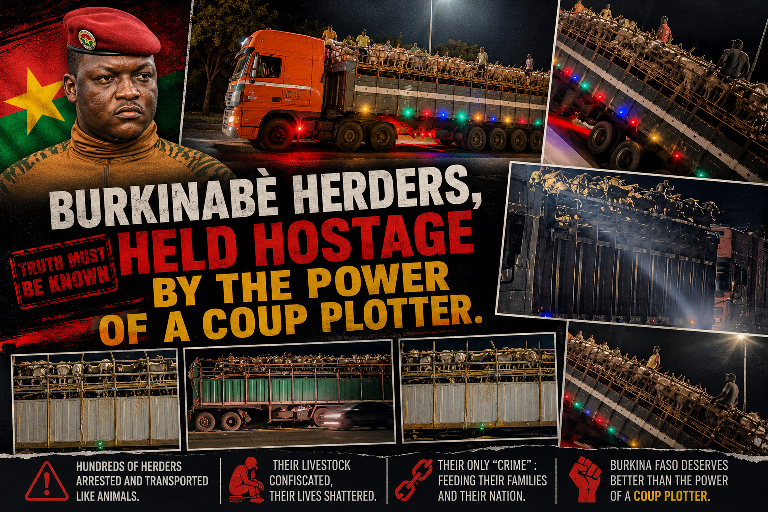
The decision to prohibit cattle exports, justified by authorities as a measure to stabilize domestic prices, has instead plunged the livestock industry into turmoil. Cattle are not mere commodities; they require consistent care, adequate water, and nutritious feed—each of which becomes increasingly scarce and costly during this season. The BMCRF’s recent nighttime seizures of livestock shipments, while framed as anti-fraud operations, reveal a deeper crisis affecting Burkina Faso’s pastoral communities.
Regional trade disruption exacerbates local vulnerabilities
By halting exports to neighboring countries—where demand and prices traditionally surge during Ramadan—the government has effectively severed a vital revenue stream for herders at the precise moment they need it most. For many families, livestock represents not just livelihood but lifelong savings, earmarked for religious observances and celebrations. The current restrictions risk undermining this economic lifeline, leaving pastoralists with dwindling options to sustain their livelihoods.
Religious and social contradictions in policy enforcement
The situation takes on added complexity given that the head of state, Captain Ibrahim Traoré, is a practicing Muslim. This juxtaposition underscores a stark contradiction: while Islamic teachings emphasize fairness, solidarity, and the protection of honest labor, the enforcement of these export bans appears starkly at odds with the religious and social imperatives of the holy month. The disconnect between policy and faith is not lost on the public, raising questions about the regime’s priorities.
Smuggling and economic suffocation: a desperate response
The reported rise in illegal cattle trafficking is less an act of defiance than a reflection of economic desperation. Herders face an impossible choice: sell at a loss in an oversaturated domestic market or risk penalties by attempting to transport livestock across borders. This dilemma exposes a fundamental flaw in the government’s approach—can a nation achieve food sovereignty by financially crippling its primary producers? Without supportive measures or temporary flexibility during Ramadan, the policy risks eroding trust between rural communities and the authorities in Ouagadougou, potentially sparking deeper social unrest.