
File generated on
Cocoa production in Cameroon: a sector under pressure
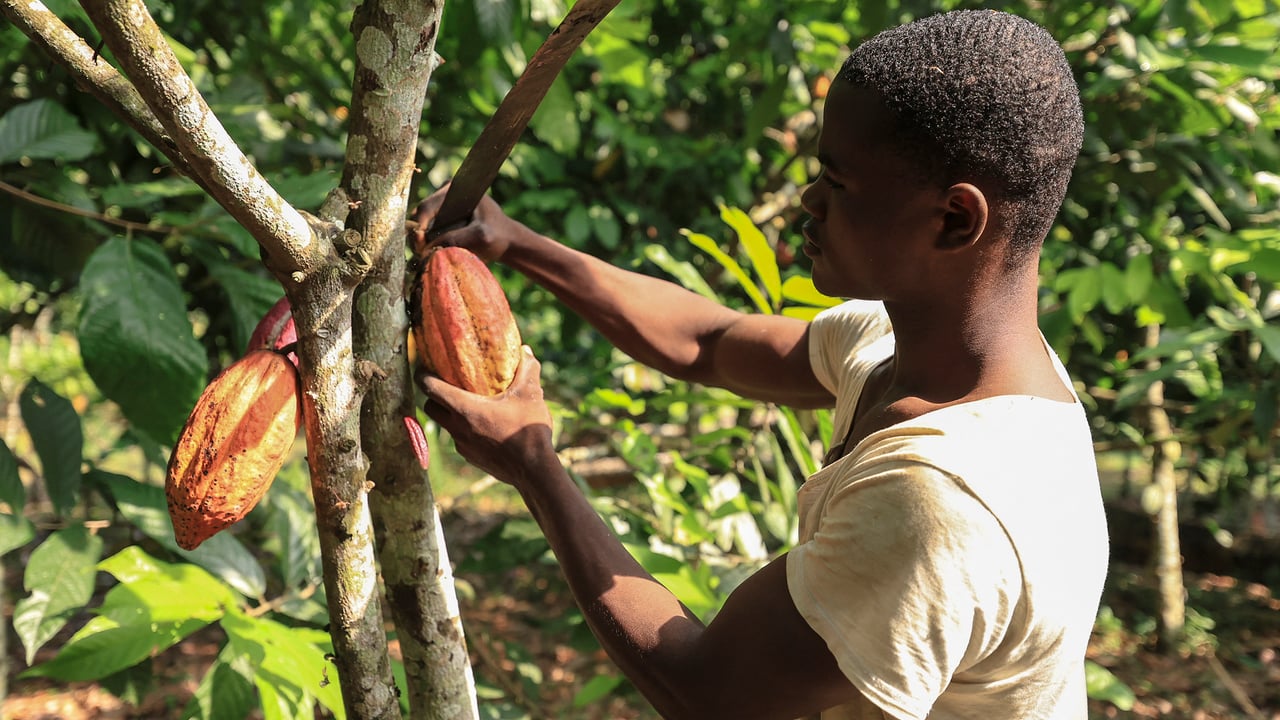
In the rolling hills of Ebebda, Cameroon’s cocoa farms stand as a testament to both tradition and struggle. For generations, families here have cultivated the precious beans that fuel the nation’s agricultural backbone. Yet today, these producers find themselves navigating a landscape of escalating challenges, from unpredictable weather patterns to volatile global market prices.
The season’s harvest has once again highlighted the fragility of their livelihoods. While demand for Cameroon’s cocoa remains strong on the international stage, domestic growers are grappling with rising costs of fertilizers, labor shortages, and aging infrastructure. Many have seen their profit margins shrink, forcing difficult decisions about reinvestment—or even whether to continue farming at all.
Economic pressures and market volatility
The global cocoa market has always been cyclical, but recent shifts have intensified the strain on local farmers. International buyers prioritize larger, more mechanized operations, often sidelining smaller, family-run plots. In Ebebda and surrounding regions, producers report that earnings barely cover basic expenses, leaving little room for savings or innovation.
Government incentives, though well-intentioned, have yet to bridge the gap between local needs and market realities. Farmers point to delayed payments from cooperatives and inconsistent access to credit as recurring obstacles. Without stable financial support, many are forced to diversify into less lucrative crops or seek off-farm employment to survive.
Climate change and agricultural resilience
Beyond economics, climate change has emerged as a silent disruptor. Erratic rainfall and prolonged dry spells have weakened soil health and reduced yields. In Ebebda, where cocoa thrives in a delicate balance of humidity and shade, prolonged droughts have devastated entire harvests. Farmers are now experimenting with drought-resistant varieties, but adoption remains slow due to limited resources and training.
The government’s push for reforestation and agroforestry offers some hope, but implementation lags behind need. Meanwhile, aging farmers—many over 60—struggle to find successors willing to take on the arduous work of cocoa cultivation. The younger generation, drawn to urban opportunities, sees little appeal in a profession fraught with uncertainty.
Can Cameroon’s cocoa sector recover its former glory?
The path forward is unclear, but not without potential. Some farmers are turning to organic certification, tapping into premium markets where consumers pay more for ethically sourced beans. Others are forming tighter cooperative networks to negotiate better terms with buyers. These grassroots efforts, though small-scale, signal a growing recognition that collective action may be the key to survival.
Yet systemic change requires more than individual resolve. Policymakers must address the root causes of the crisis: infrastructure gaps, access to finance, and climate adaptation strategies. Without urgent intervention, Cameroon risks losing not just its cocoa heritage, but the livelihoods of thousands of families who depend on it.
For now, the future of Ebebda’s cocoa farms hangs in the balance—caught between tradition and the relentless pressures of a changing world.