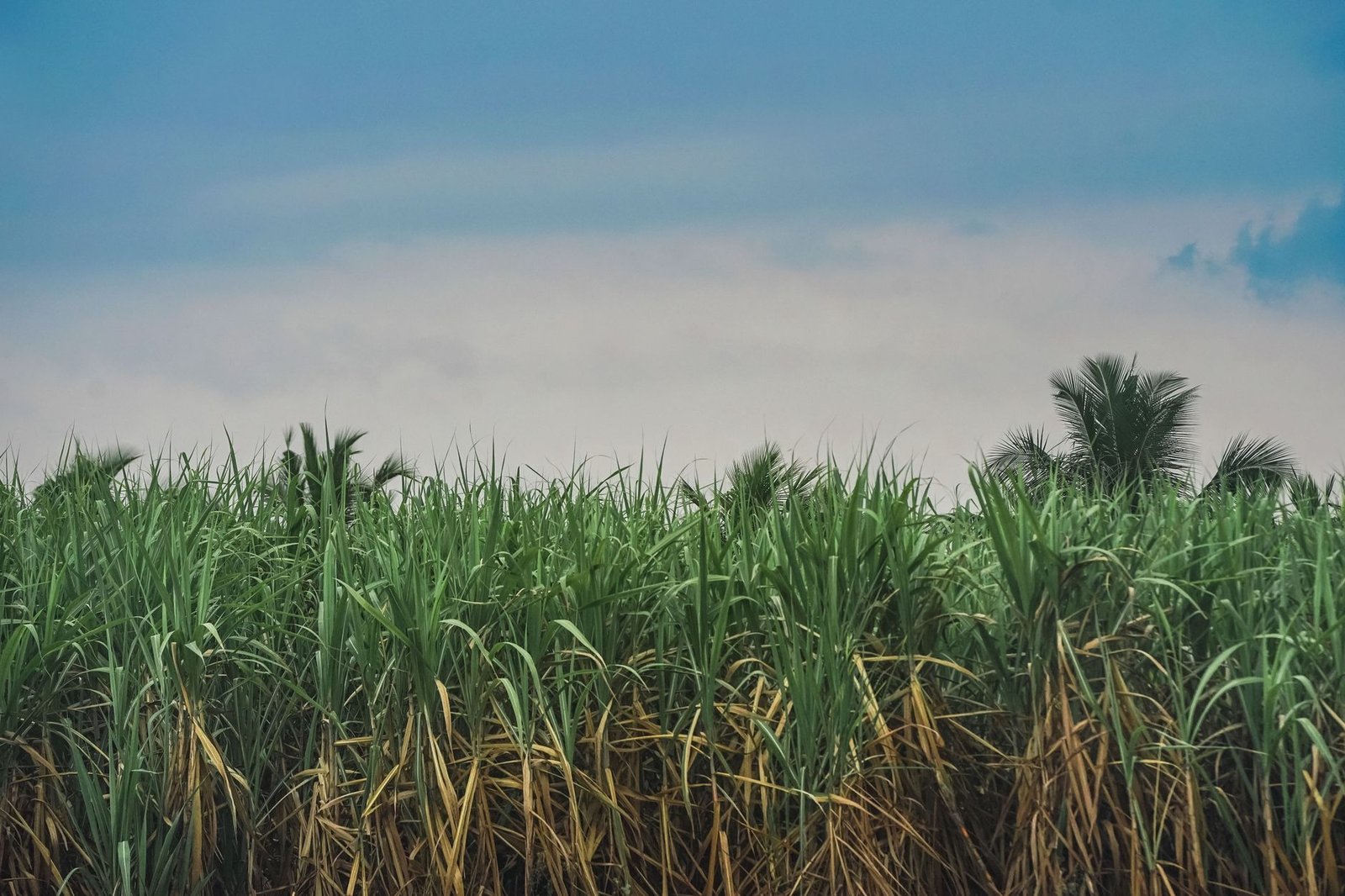
Cameroon’s government has placed on hold the sale of shares held by the Somdiaa group in the Société sucrière du Cameroun (Sosucam), the nation’s leading sugar producer. This administrative freeze, ordered by the Yaoundé authorities, temporarily blocks a transaction that had been closely monitored by business circles across Central Africa for months. The move comes at a critical juncture for Cameroon’s rural economy, where Sosucam not only provides thousands of jobs but also ensures domestic sugar supply stability.
Sosucam: A cornerstone of Cameroon’s sugar supply chain
Sosucam has long been tied to Somdiaa, a major French agro-industrial conglomerate operating across Central and West Africa. With its vast plantations and processing facilities in the Central region, the company dominates national sugar production, making it a linchpin for both food security and economic stability. Any change in its ownership structure thus extends beyond corporate considerations to impact social welfare and national budgets.
In a market where sugar imports are tightly regulated to protect local producers, the fate of this historic operator directly influences investment flows, agricultural employment, and pricing policies. Cameroonian authorities have repeatedly emphasized the need to safeguard this sector against global price volatility and logistical disruptions along the Gulf of Guinea.
Implications for Somdiaa’s regional strategy
The government’s decision forces Somdiaa to reassess its exit timeline from Cameroon. Present in five countries including Chad, Gabon, the Central African Republic, and Congo, the group has been restructuring its portfolio in recent years through asset sales and industrial repositioning. The planned divestment from Sosucam was part of this broader effort to adapt to climate pressures, energy challenges, and intensifying competition.
For Yaoundé, the suspension serves as a strategic pause to evaluate the potential buyer’s credentials, industrial blueprint, and commitments to workers and contracted farmers. Regional precedents involving multinational agro-industrial firms have heightened state caution when dealing with assets deemed essential. Key concerns now include valuation, social guarantees, and investment continuity.
Lessons for foreign investors in Central Africa
This decision reignites discussions about how sensitive asset transfers are handled within the Cemac zone. Foreign investors interpret it as a reminder that regulated-sector transactions require thorough political vetting. Meanwhile, Cameroonian authorities aim to demonstrate their ability to control timelines when national agro-food sovereignty is at stake.
The freeze doesn’t constitute a permanent rejection but opens a negotiation window. Terms of the deal, buyer identity, or transaction structure could be revisited. National investors, regional funds, or state-backed consortia remain plausible alternatives—mirroring trends seen elsewhere in Africa as European groups exit historical industrial assets.
For Somdiaa, balancing financial imperatives with Cameroonian expectations will be crucial, especially as the regional sugar market remains vulnerable to supply chain disruptions. For Yaoundé, the coming months will be about establishing a framework that ensures Sosucam’s industrial continuity beyond any ownership change.