
The collapse of the Zamboï mine in the Central African Republic has sent shockwaves through the gold mining industry, particularly in neighboring Cameroon. Investigations reveal deep-seated issues in the sector that demand urgent attention.
Gold mining in Cameroon has long been a double-edged sword, offering economic opportunities while exposing critical vulnerabilities. The recent disaster at Zamboï serves as a stark reminder of the human and environmental costs of unregulated extraction.
Structural failures behind the tragedy
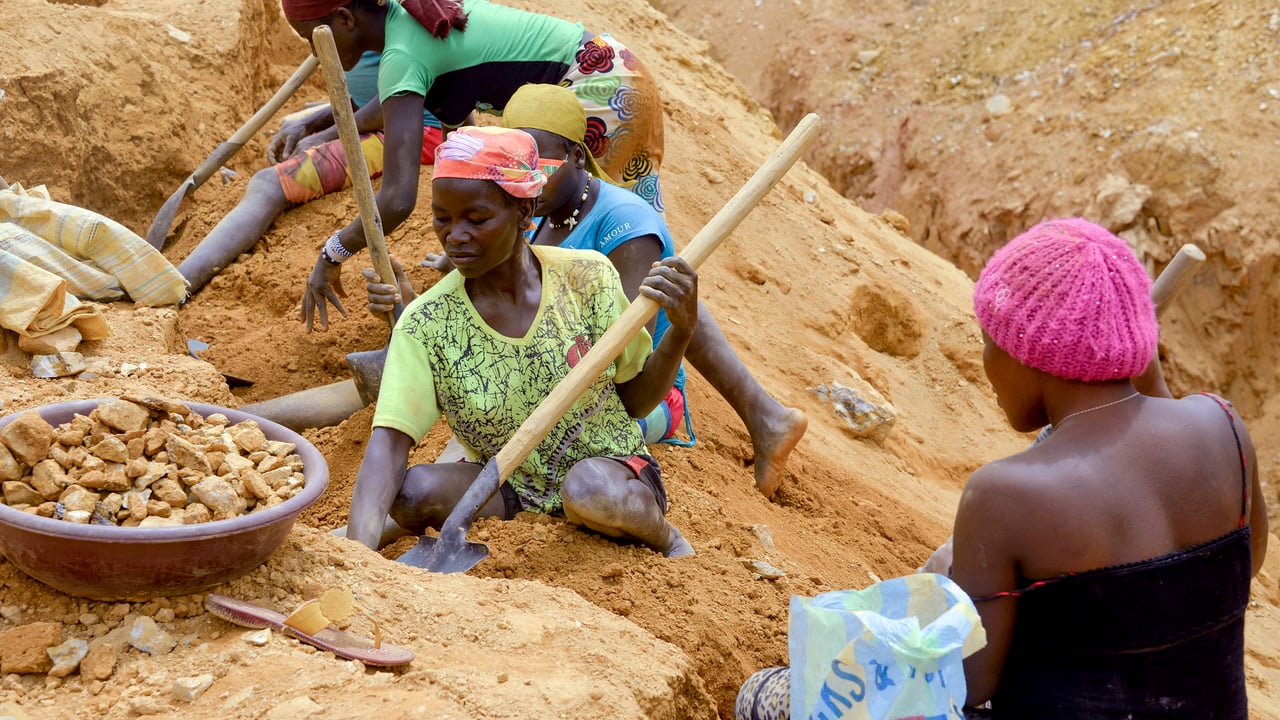
Local mining operations in Cameroon, especially in the eastern regions near the border with the Central African Republic, operate under precarious conditions. The Zamboï collapse highlights several systemic failures that plague the industry:
- Lack of regulatory oversight: Gold mining sites often lack proper licensing and compliance with safety standards.
- Environmental disregard: Toxic waste and deforestation accompany unchecked mining activities.
- Worker exploitation: Miners, including children in some cases, face hazardous working conditions for meager pay.
- Illegal trade networks: Smuggling of gold across porous borders exacerbates the crisis.
Human toll and community impact
The collapse claimed lives and left families shattered. Survivors describe scenes of chaos as makeshift tunnels caved in, trapping workers underground. Rescue efforts were hampered by the absence of emergency protocols.
Villages near mining sites report rising health issues, from respiratory problems to water contamination. The economic benefits promised by mining rarely trickle down to these communities, where poverty remains entrenched.
Calls for systemic change
Industry experts and activists urge Cameroon to implement robust reforms. Key demands include:
- Enhanced safety regulations: Mandatory inspections and enforcement of mining laws.
- Community engagement: Involving local populations in decision-making processes.
- Sustainable practices: Promoting eco-friendly mining techniques to reduce environmental damage.
- Transparency initiatives: Tracking gold supply chains to curb illegal trade.
The Zamboï disaster is not an isolated incident but a symptom of broader governance gaps. Addressing these challenges requires coordinated action from government agencies, mining companies, and civil society.
As Cameroon grapples with the aftermath, the need for responsible mining practices has never been clearer. The future of thousands of miners and their families hinges on decisive reforms that prioritize safety, equity, and sustainability.