Sonko seeks clarity on judicial probe into land allocations
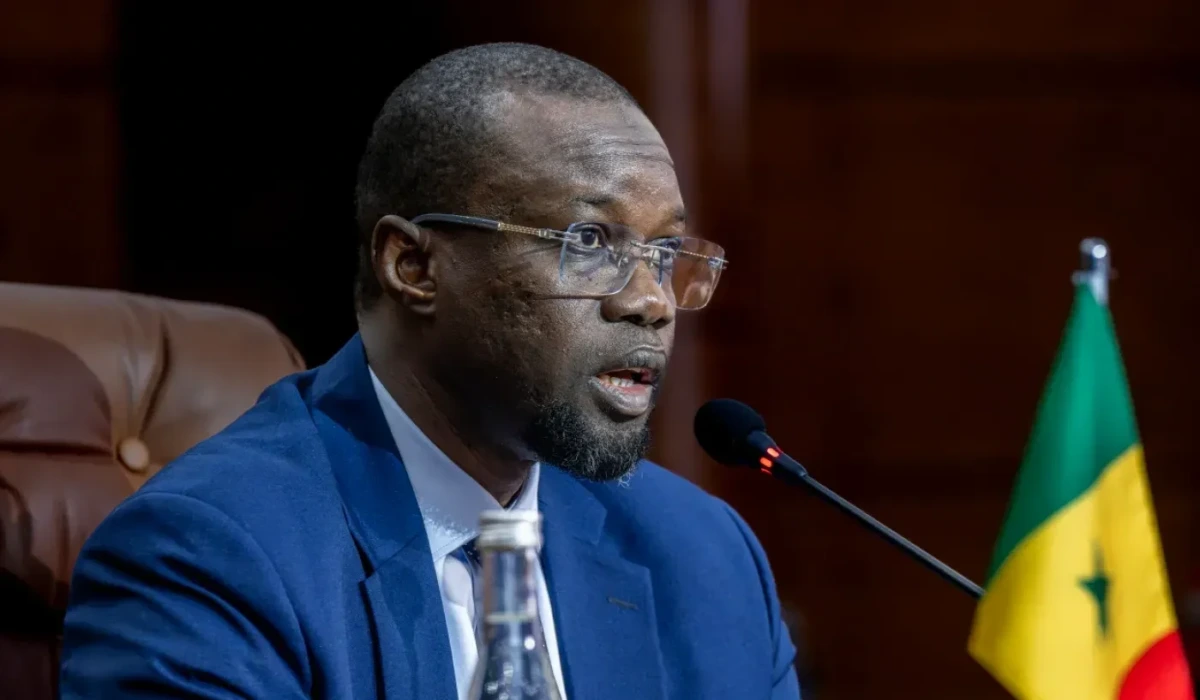
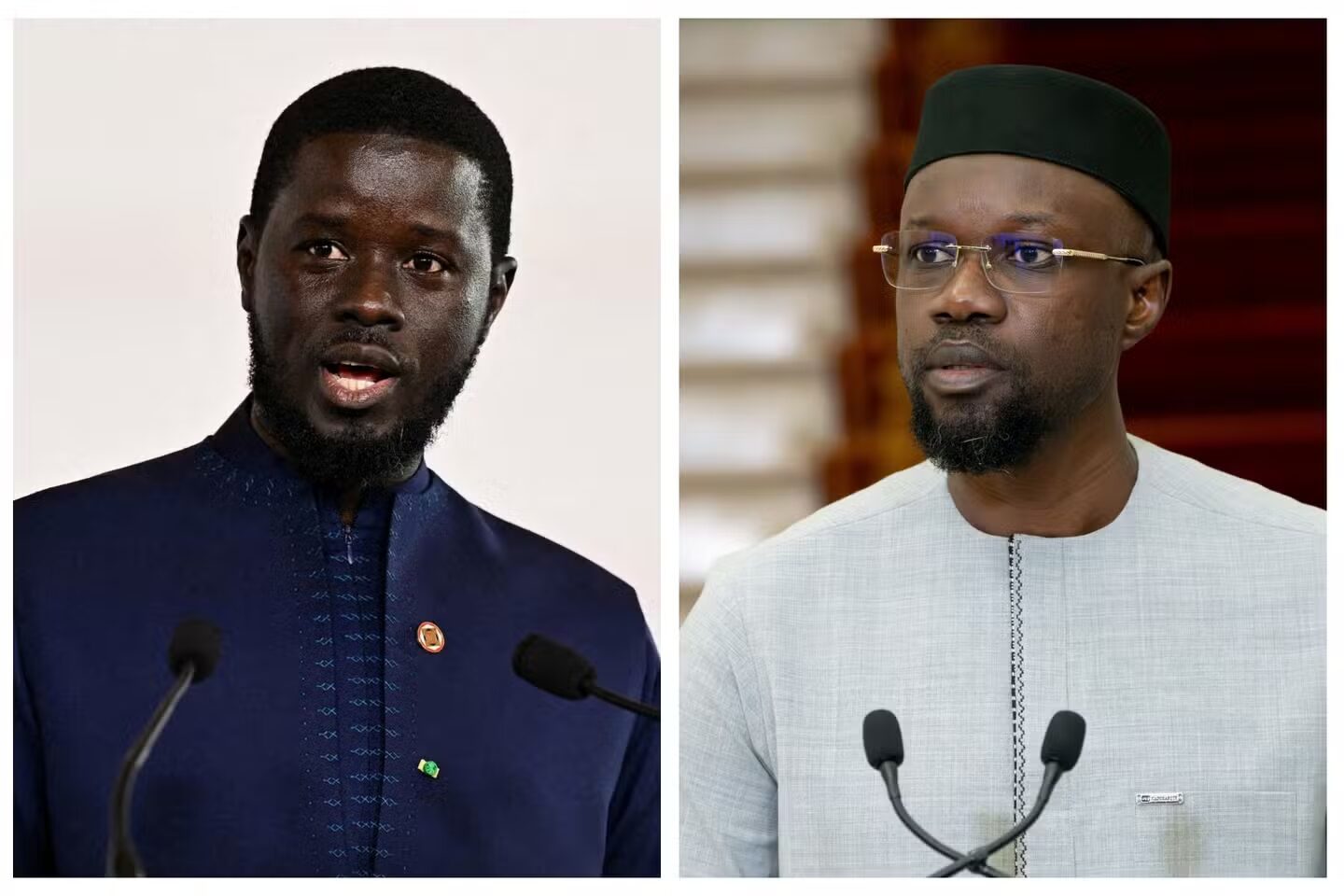
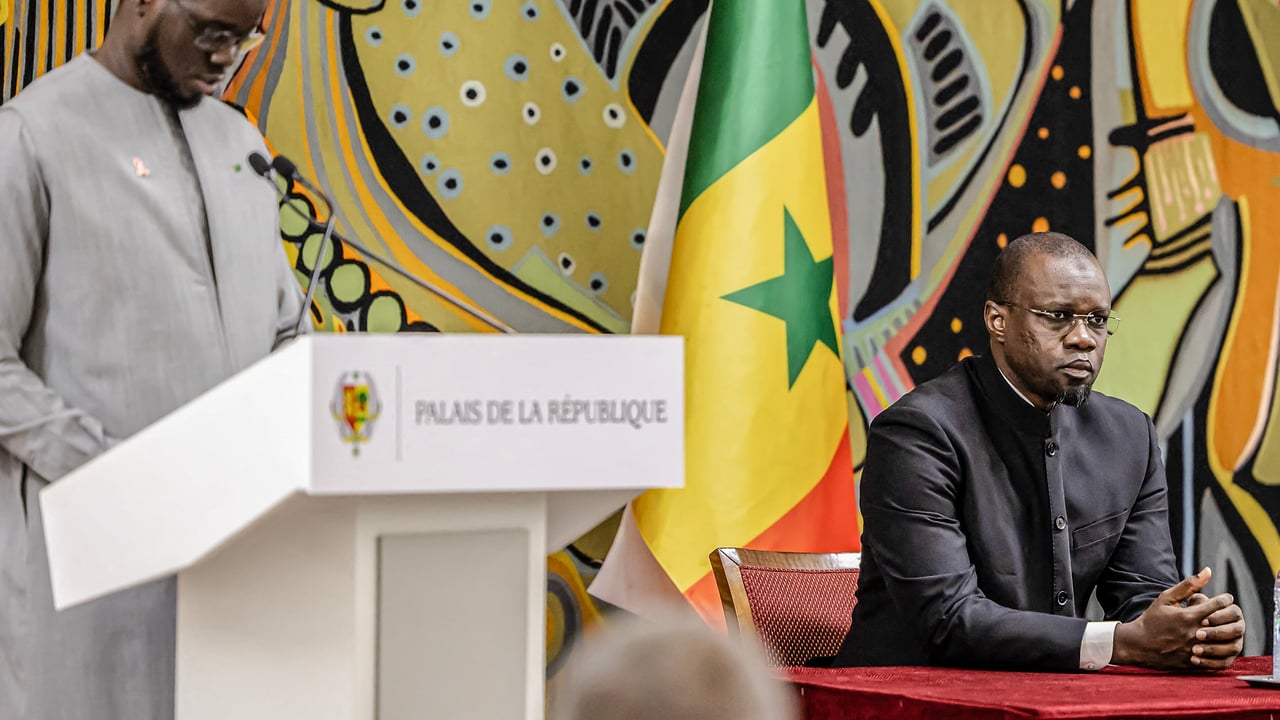
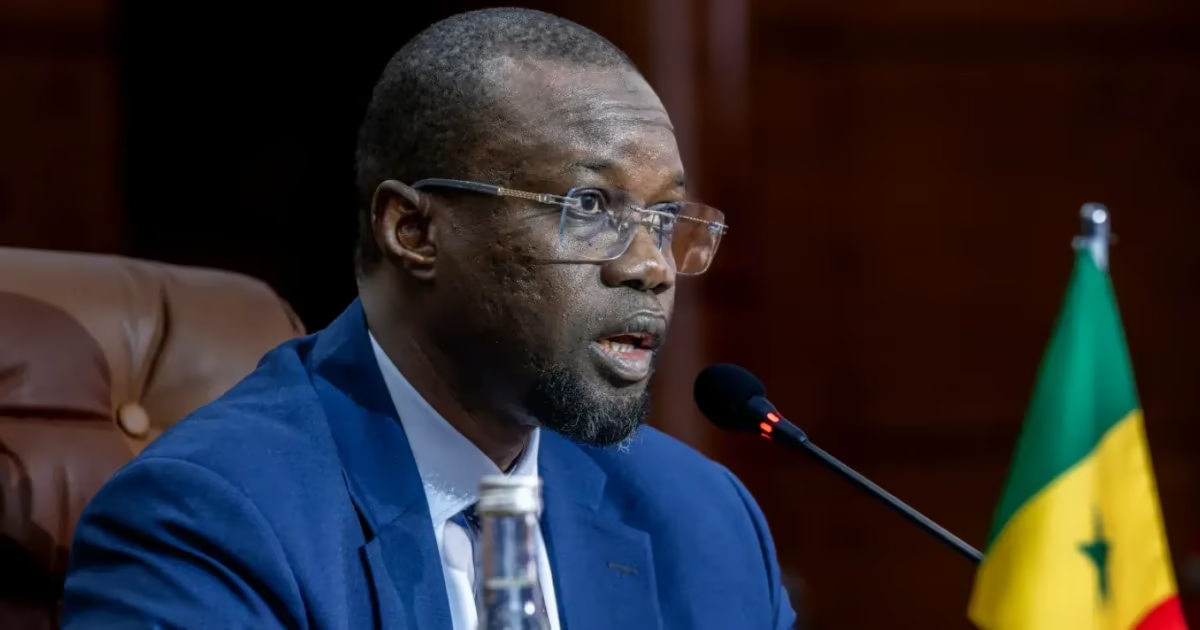
During a plenary session reviewing six draft resolutions to establish investigative committees, legislative leader Ousmane Sonko outlined the responses received from the Minister of Justice regarding questionable land allocation practices.
Ousmane Sonko, President of Senegal’s National Assembly, is pressing the Minister of Justice for further details regarding an ongoing judicial investigation into controversial land allocation schemes. The inquiry was initially prompted by a legislative proposal seeking to establish a parliamentary investigative committee to examine alleged irregularities in land development projects.
Following a plenary session dedicated to ratifying six resolutions for investigative committees, Sonko revealed that the Minister of Justice had responded twice to his inquiries. “Without comprehensive clarification on the scope of the judicial process, the National Assembly remains compelled to proceed with its parliamentary investigative mandate,” he stated. The responses provided so far reference an ongoing judicial inquiry into land allocations near the airport, specifically involving the pilgrims’ hangar area. However, Sonko deemed these details insufficient and has formally requested additional information in a written correspondence addressed to the Minister.
A second response indicated that a separate investigation had been conducted by the Gendarmerie’s Research Section at the behest of the Financial Prosecutor’s Office, with the final report already submitted. Nonetheless, Sonko remains unconvinced that the current judicial proceedings encompass all the land allocation irregularities under scrutiny—particularly those affecting coastal zones. According to Senegalese legislative protocol, the existence of a judicial inquiry into the same matters could potentially obstruct the establishment or continuation of a parliamentary investigative committee.
The crux of the matter now lies in precisely defining the boundaries of the ongoing judicial investigation. “Should further clarifications fail to materialize,” Sonko warned, “the National Assembly will proceed with its investigative work.” This could enable the investigative committee to continue examining land allocation irregularities not addressed by the current judicial process.