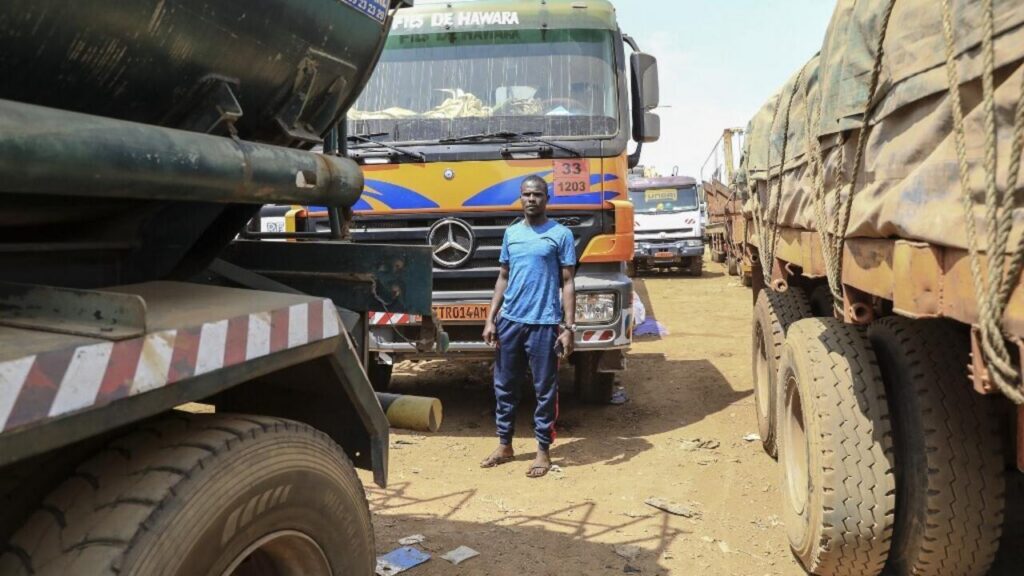
funding breakthrough for the Douala-bangui economic corridor in Cameroon
The long-awaited upgrade of the 800 km trade route linking Douala in Cameroon to Bangui in the Central African Republic has taken a decisive step forward. A landmark financing package of 425 million USD has been approved by the World Bank, marking the official launch of a project set to transform regional commerce.
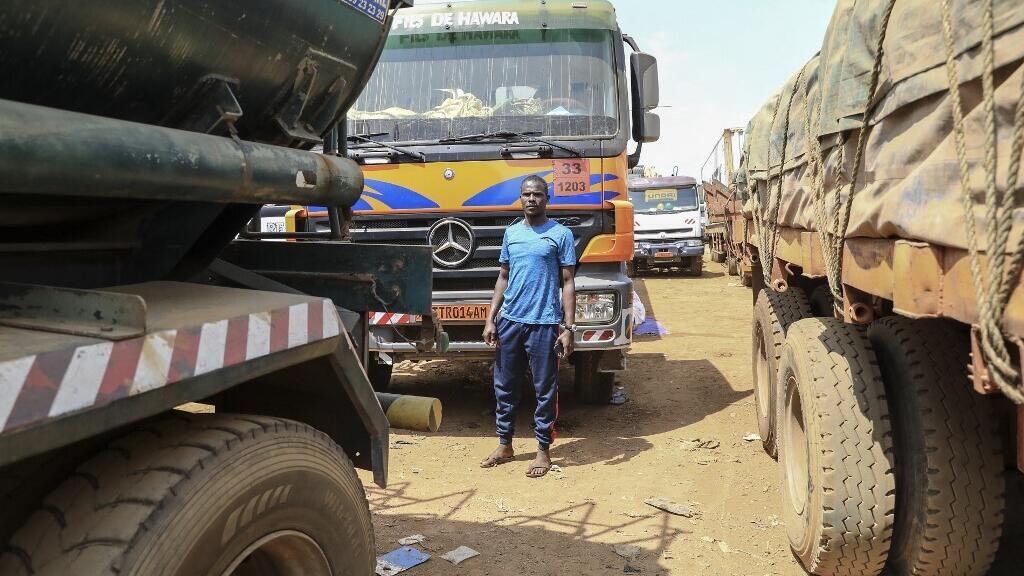
Revolutionizing logistics with automated weighing stations
The project’s first phase will focus on modernizing infrastructure along the corridor, with a particular emphasis on streamlining the movement of goods between Cameroon and its neighbors. Donnat Takueté, director general of studies at the Ministry of Public Works, highlights the integration of intelligent systems: «Vehicles suspected of overloading will be automatically directed to weighing stations, where fines, if applicable, will be recorded and receipts printed on the spot.» This innovation aims to drastically reduce delays caused by administrative bottlenecks and manual checks.
Economic lifeline under pressure
Today, the corridor handles 80% of all goods destined for the Central African Republic and 70% for Chad, yet its deteriorating condition forces trucks to endure grueling journeys. «It currently takes 9 to 12 days to cover the 1,400 km between Douala and Bangui», explains Anne-Cécile Souhaid, World Bank regional director for West and Central Africa. «The route’s poor state, compounded by 17 informal checkpoints, creates significant delays and costs.»
The World Bank has earmarked 425 million USD for Cameroon in this initial phase, with an additional 90 million USD allocated to the Central African Republic. These funds will also support regional preparations for future project stages, ensuring a coordinated approach to economic integration.
Roadmap for transformation
Emmanuel Nganou Djoumessi, Cameroon’s Minister of Public Works, outlines the key infrastructure works: «Reconstruction of the 215 km Yaoundé-Douala road, rehabilitation of the 332 km Yaoundé-Bonis-Ayos section, and upgrading the 332 km Bonis-Bertoua segment.» Together, these interventions will upgrade 800 km of critical roadways, enhancing connectivity and economic efficiency.
The project spans multiple years and is expected to generate 2,000 to 4,000 direct and indirect jobs, fostering both local employment and long-term economic growth. With construction slated to begin next year, this initiative represents a pivotal moment for regional trade and infrastructure development.



More Stories
Behind the violence: how the M23’s control of DRC mines fuels a cycle of abuse
Unpacking the surge: why Nigeria’s farmer-herder clashes are driving 600 refugees into Cameroon’s Northwest
Why Paris Saint-Germain’s midfield dominance sank Marseille in Ligue 1