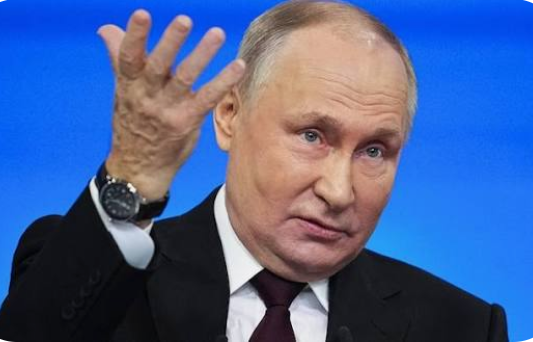
Behind the numbers: What the 355-seat victory really reveals
The sheer scale of Russia unie’s triumph in the 2026 State Duma elections — securing 355 of 450 seats with 57.83% of the vote — appears, at first glance, to reflect a sweeping endorsement of Kremlin policies. Yet a closer examination of the electoral landscape reveals a far more complex reality, one where the absence of a genuine anti-war alternative fundamentally shaped the outcome.
The silent erasure of opposition: Yabloko’s last stand
For decades, Yabloko stood as Russia’s most prominent liberal party openly opposing the war in Ukraine. Its platform, “For Peace and Freedom,” resonated with segments of the electorate disillusioned by Moscow’s military campaign. That voice is now gone from the federal ballot. On August 10, Russia’s Supreme Court annulled Yabloko’s federal list, citing alleged violations including foreign funding of party members and copyright disputes in campaign materials.
While the party disputes these charges, alleging political motivation behind its exclusion, the legal decision stands. With no further recourse, Yabloko was barred from participating in the national vote — leaving voters with no openly anti-war party on the ballot. This silencing occurred not by force of arms, but through the selective application of electoral law, a tactic that has become increasingly routine in Russia’s tightening political climate.
A narrowing field: opposition squeezed before polling day
The removal of Yabloko is not an isolated incident. Over the past five years, Russia’s political space for dissent has steadily contracted. Independent election monitors note that organizations tied to imprisoned opposition leader Alexei Navalny were banned as “extremist” entities, while dozens of activists faced imprisonment, exile, or disqualification from running. In the 2021 Duma elections, authorities used legal loopholes to bar candidates linked to Navalny’s network from contesting seats.
The 2026 vote allowed several parties to participate: the Communist Party, the LDPR, A Just Russia, and New People. Yet none presented an openly anti-war platform. While some offered cautious criticism of domestic policies, none challenged the legitimacy of the invasion itself. The result is an electoral field where ideological difference exists, but not on the defining issue of the day.
International observers absent: a vote lacking global transparency
Another layer of scrutiny was missing in 2026. For the first time in decades, Russia did not invite the Organization for Security and Co-operation in Europe (OSCE) to deploy an election observation mission. The OSCE’s Office for Democratic Institutions and Human Rights (ODIHR) had sought participation, but Moscow declined, citing unspecified procedural concerns. The OSCE condemned the decision, warning that pre-existing restrictions — including limits on citizen observers, “foreign agent” designations, and financial controls — had further narrowed independent oversight.
Even more concerning, the independent election monitoring group Golos, long a watchdog of Russian elections, was forcibly dissolved in 2024 following years of legal pressure and regulatory harassment. Without such oversight, the integrity of the vote cannot be independently verified, leaving domestic and international observers to question not necessarily the results, but the conditions under which they were produced.
Parliamentary power unchecked: what 355 seats really mean
Russia unie’s supermajority — exceeding two-thirds — grants it unrivaled legislative authority. This includes the power to amend the constitution, approve key presidential nominees, and pass laws without significant opposition. Yet the meaning of such dominance cannot be reduced to a simple referendum on public opinion. Electoral outcomes reflect the choices presented to voters — and in 2026, those choices were heavily curated.
Within this framework, the 57.83% vote share does not necessarily indicate that a majority of Russians support the war or agree with all Kremlin policies. It reflects the outcome within a system where opposition to the war was systematically excluded from the ballot, not from society. Large segments of the electorate — particularly those under 35 and in urban centers — are known to hold critical views on the conflict, but their political expression was effectively barred.
A locked system, not a stable one
The Duma that emerges from the 2026 elections will be dominated by pro-government forces. But this is not a reflection of broad societal consensus. It is the result of a carefully constructed electoral environment in which political competition operates within strict boundaries. The silencing of Yabloko, the suppression of dissent, and the absence of international oversight together create a system where votes are cast, but genuine political choice is limited.
In this context, the 355-seat victory is less a mandate for the war or Putin’s leadership than a demonstration of the state’s capacity to control the political narrative. The real significance of these elections lies not in the numbers, but in what they obscure: the absence of an open, democratic debate on Russia’s direction at a time of national crisis. The Duma may be fully in the hands of the ruling party, but the voice of dissent has been pushed to the margins — not defeated, but silenced.

More Stories
Behind the Moscow drone strikes: how Ukraine exposed Russia’s hidden vulnerabilities
Benin’s ARS second term: the strategic playbook behind stricter healthcare oversight
Mali’s military under siege: the human cost behind Assimi Goïta’s strategic missteps