From whistleblower to detained figure: the pivotal moment in Niamey’s security narrative
The arrest of former Nigerian police inspector Habibou Oumarou Mamane—nicknamed “The Rebel”—and ten associates has sent shockwaves through West Africa’s political and security landscape. On November 3, 2026, the group was placed under pretrial detention following explosive allegations aired just days earlier on Niger’s national broadcaster. Oumarou Mamane’s televised account alleged covert destabilization operations involving exiled actors and Beninese-linked intelligence networks, thrusting a previously simmering dispute between Niamey and Cotonou into the spotlight.
Televised accusations that redefined the crisis
On October 23, 2026, Habibou Oumarou Mamane took to the airwaves of the Niger Broadcasting Corporation (RTN) to present what he described as irrefutable evidence of a plot to undermine Niger’s government. Central to his claims were assertions of contact with individuals he identified as embedded within Benin’s intelligence services. Among the most provocative revelations was a supposed effort to locate Lieutenant-Colonel Pascal Tigri, a senior Beninese officer whose name surfaced repeatedly in discussions about potential cross-border threats.
Oumarou Mamane further alleged that certain Nigerian figures operating abroad were complicit in organizing what he framed as coordinated destabilization efforts aimed at destabilizing Niamey. While his testimony was broadcast on state television, it remains uncorroborated by independent evidence, raising critical questions about the veracity and intent behind his statements.
A shift in diplomatic stakes: why Cotonou is now at the center of scrutiny
The presence of Benin in this controversy stems directly from Oumarou Mamane’s televised accusations, which link specific individuals and institutions in Cotonou to alleged plots targeting Niger. The timing of these claims could not be more sensitive. Relations between Niamey and Cotonou have deteriorated over recent months, marked by mutual accusations of border violations, illicit arms trafficking, and support for dissident factions.
These tensions have escalated into a full-blown diplomatic standoff, with both nations questioning each other’s regional intentions. While Oumarou Mamane’s declarations have amplified tensions, they do not constitute definitive proof of state involvement. Officials in Cotonou have not yet responded publicly, and the absence of concrete evidence underscores the need for cautious interpretation.
Ange Chekaraou’s rebuttal: a voice of denial in a sea of allegations
Among those named in Oumarou Mamane’s testimony is Ange Chekaraou, a well-known political figure in the region. Chekaraou has forcefully denied any connection to the alleged destabilization efforts, calling the accusations baseless and politically motivated. His denial introduces a layer of complexity to the case, highlighting a growing divide between public narratives and unproven claims.
As the judicial process unfolds, the credibility of Oumarou Mamane’s testimony—and the individuals implicated—will be tested. Until verifiable evidence emerges, the presumption of innocence must prevail, extending to all eleven detainees and those named in the allegations.
Eleven detentions, countless unanswered questions
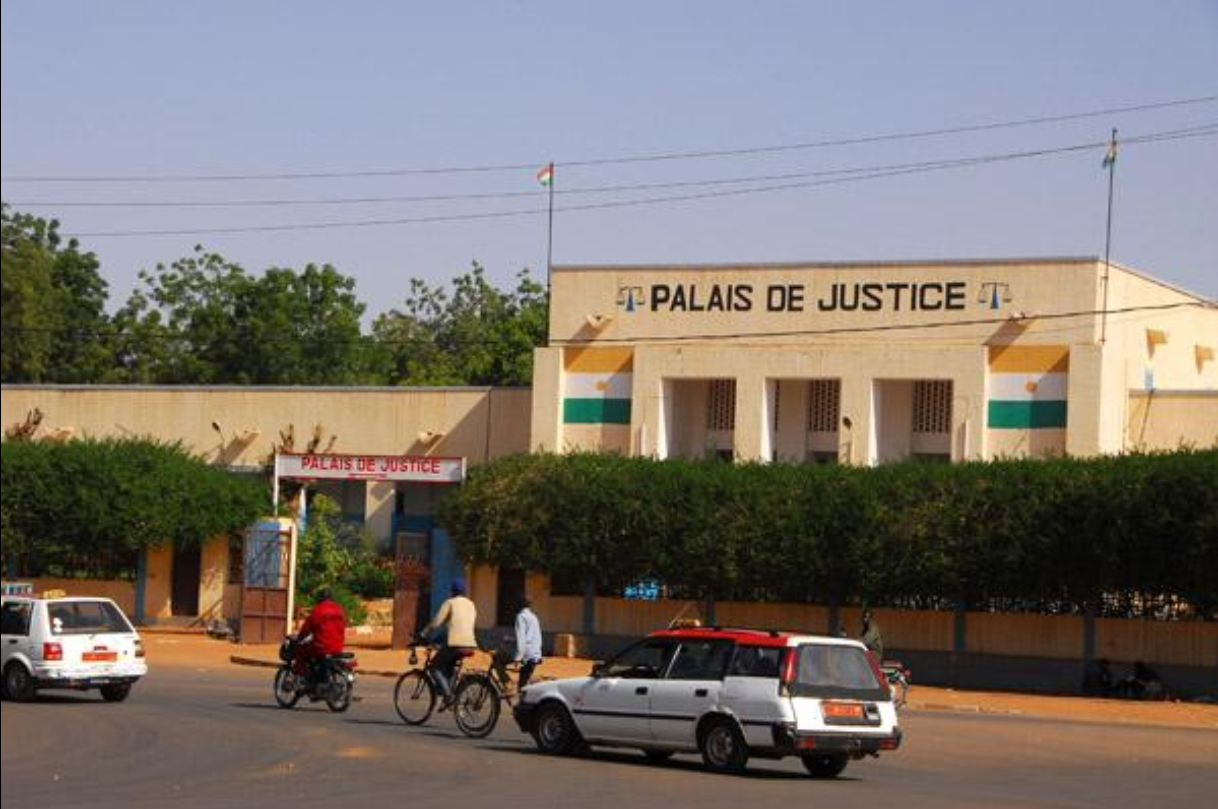
The pretrial detention of eleven individuals marks a turning point in a case that has captivated both Niger and its neighbors. However, detention alone does not equate to guilt. Legal proceedings are now underway to determine the precise nature of the charges, identify corroborating evidence, and assess the validity of claims linking actors across borders.
Key unresolved questions include:- What specific charges have been filed against the detainees?
- Do independent investigations support Oumarou Mamane’s allegations?
- Are there documented links between the accused and foreign entities?
- What role, if any, did state institutions play in the alleged activities?
The answers will determine whether this case evolves into a confirmed security breach or a cautionary tale about unchecked political rhetoric.
From judicial process to regional diplomacy: what’s next for Niger and Benin?
The legal saga of Habibou Oumarou Mamane extends far beyond the courtroom. The allegations, denials, and detentions have already reshaped regional perceptions, reinforcing a climate of mistrust that threatens to unravel years of diplomatic cooperation.
With tensions at their highest in decades, the next phase of this crisis will hinge on transparency. Will judicial clarity emerge, or will political suspicions harden into lasting divisions? One thing is certain: the outcome of this case will leave a lasting imprint on West Africa’s fragile security architecture—and may redefine the balance of power between Niamey and Cotonou for years to come.
For now, the world watches as justice takes its course, hoping for resolution in a case that has already become a defining moment in the region.