Diplomatic Breakthrough: A New Chapter in Benin-Niger Relations
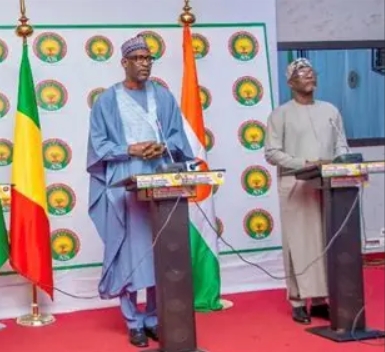
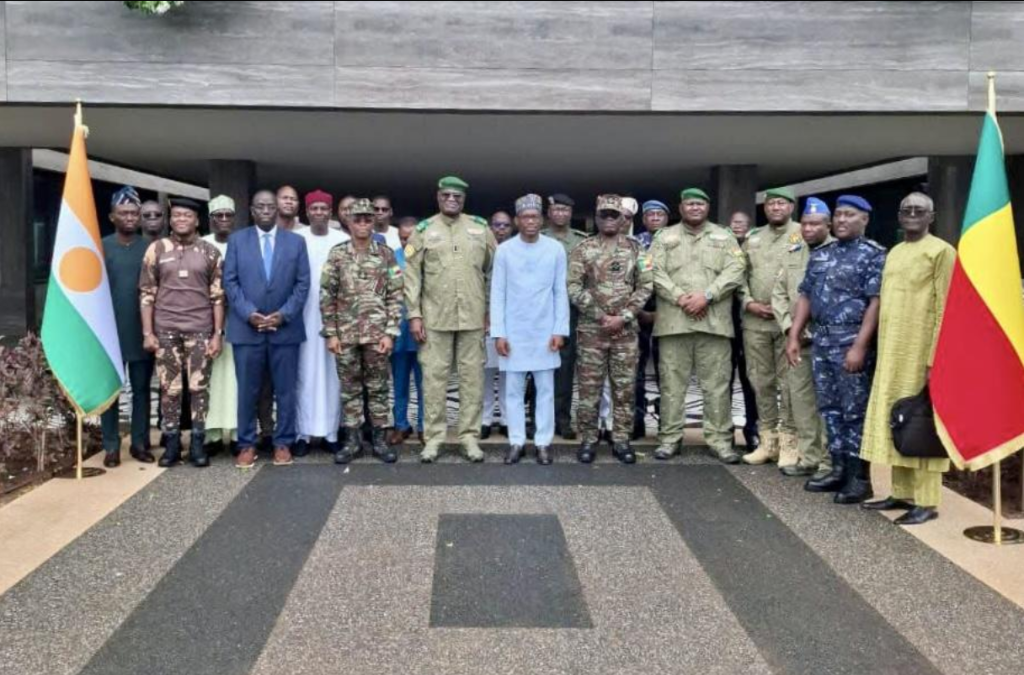
In a decisive move signaling a potential turning point in regional diplomacy, Benin has appointed Yacoubou Amadou as its extraordinary and plenipotentiary ambassador to Niger. The announcement, made during a high-level ministers’ council meeting, marks a strategic shift in addressing the longstanding diplomatic fractures between Cotonou and Niamey. While the political landscape remains complex, this bold gesture underscores Benin’s commitment to stabilizing relations with its western neighbor.
The appointment arrives at a critical juncture when West Africa faces escalating geopolitical challenges. Benin’s leadership appears determined to prioritize dialogue and collaboration, even as historical grievances and recent disputes have strained bilateral ties. Could this be the moment when two nations on the brink of deeper discord choose reconciliation over confrontation?
Tensions That Paved the Way for Change
The road to this diplomatic overture has been rocky. Months of political friction, mutual accusations, and mutual distrust had pushed relations to their lowest ebb. Yet in the midst of these challenges, Benin has consistently advocated for calm, emphasizing regional stability and the preservation of functional neighborly ties. In September, Cotonou publicly reaffirmed its stance against destabilization efforts in Niger while urging both sides to return to normalization.
This balanced approach reflects Benin’s broader foreign policy goal: maintaining robust diplomatic channels even amid disagreement. Formalizing the ambassadorial role sends a clear message — that Benin views sustained dialogue as non-negotiable, regardless of political disagreements.
Yacoubou Amadou: A Bridge Between Two Nations
As the newly appointed envoy, Yacoubou Amadou assumes a pivotal role in reshaping Benin’s engagement with Niger. His responsibilities go beyond mere representation; he will serve as the official voice of Benin, conveying government positions and facilitating high-level exchanges. In a climate thick with misunderstanding, a dedicated diplomatic presence can become a lifeline — not just for communication, but for conflict resolution.
The expectations surrounding his mission are considerable. Diplomats and analysts alike will be watching closely to see whether this role can foster more frequent communication and deeper mutual understanding. Will Amadou succeed in turning protocol into progress? That remains to be seen. Yet his appointment undeniably signals Benin’s intent to take the reins in reshaping bilateral relations.
Shared Realities That Demand Cooperation
Despite political divisions, Benin and Niger share deep-rooted bonds rooted in geography, economy, and security. Their 764-kilometer border is not just a line on a map — it’s a corridor for trade, migration, and shared ecological systems. Disruptions in relations ripple beyond politics, affecting farmers, traders, and families on both sides.
The economic fallout is equally significant. Cross-border commerce — from agricultural goods to fuel and textiles — fuels local livelihoods. A resumption of normal relations would unlock stalled projects, boost regional integration, and strengthen West Africa’s collective resilience. For these communities, diplomacy isn’t abstract — it’s a lifeline.
Can This Move Spark a Diplomatic Reset?
The appointment alone cannot erase years of mistrust. But it does open a door — one that could lead to restored trust, renewed trade, and shared security initiatives. The next steps will test the sincerity of both governments. Will Niamey respond with reciprocal openness? Will both sides commit to structured negotiations?
The timing is crucial. With regional instability rising, maintaining open channels is no longer optional — it’s essential. Amadou’s role will be critical in navigating this delicate phase. His success will not only depend on his negotiating skills but on the political will of both capitals.One thing is clear: Benin has taken a bold step forward. Whether it leads to a full rapprochement depends on what both sides choose to do next. But today, one message rings out — diplomacy, not confrontation, is the path Benin is choosing to follow.
From Appointment to Action: The Proof Is in the Policy
Yacoubou Amadou’s nomination is more than a personnel change — it’s a statement. It signals that Benin is ready to lead by example, to prioritize dialogue over division. Yet real progress will require more than words. It will demand concrete actions: joint border initiatives, coordinated security operations, and revived trade agreements.
As the international community watches, the coming months will reveal whether this diplomatic initiative marks the beginning of a new phase — or merely a temporary pause in a longer standoff. What is certain is that Benin is no longer in reactive mode. It has taken the initiative. The ball is now in Niger’s court.