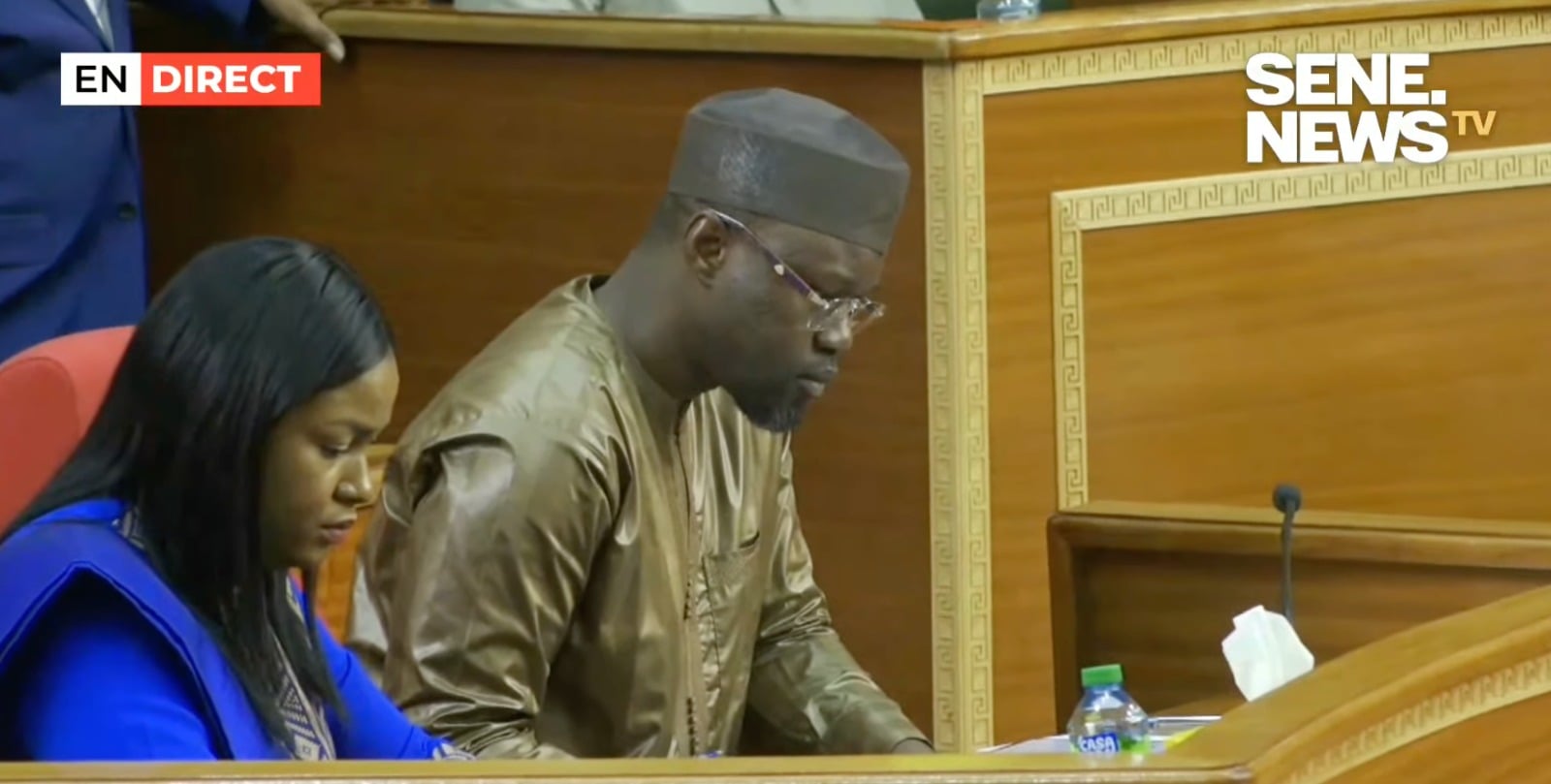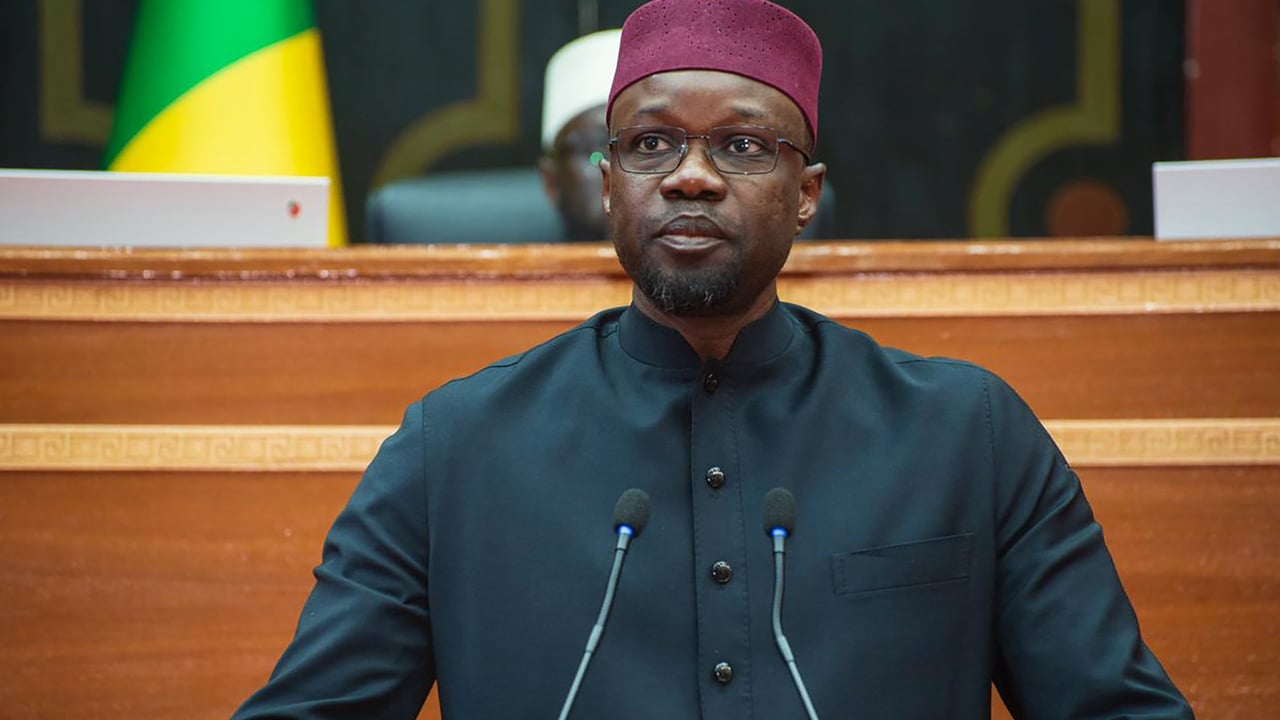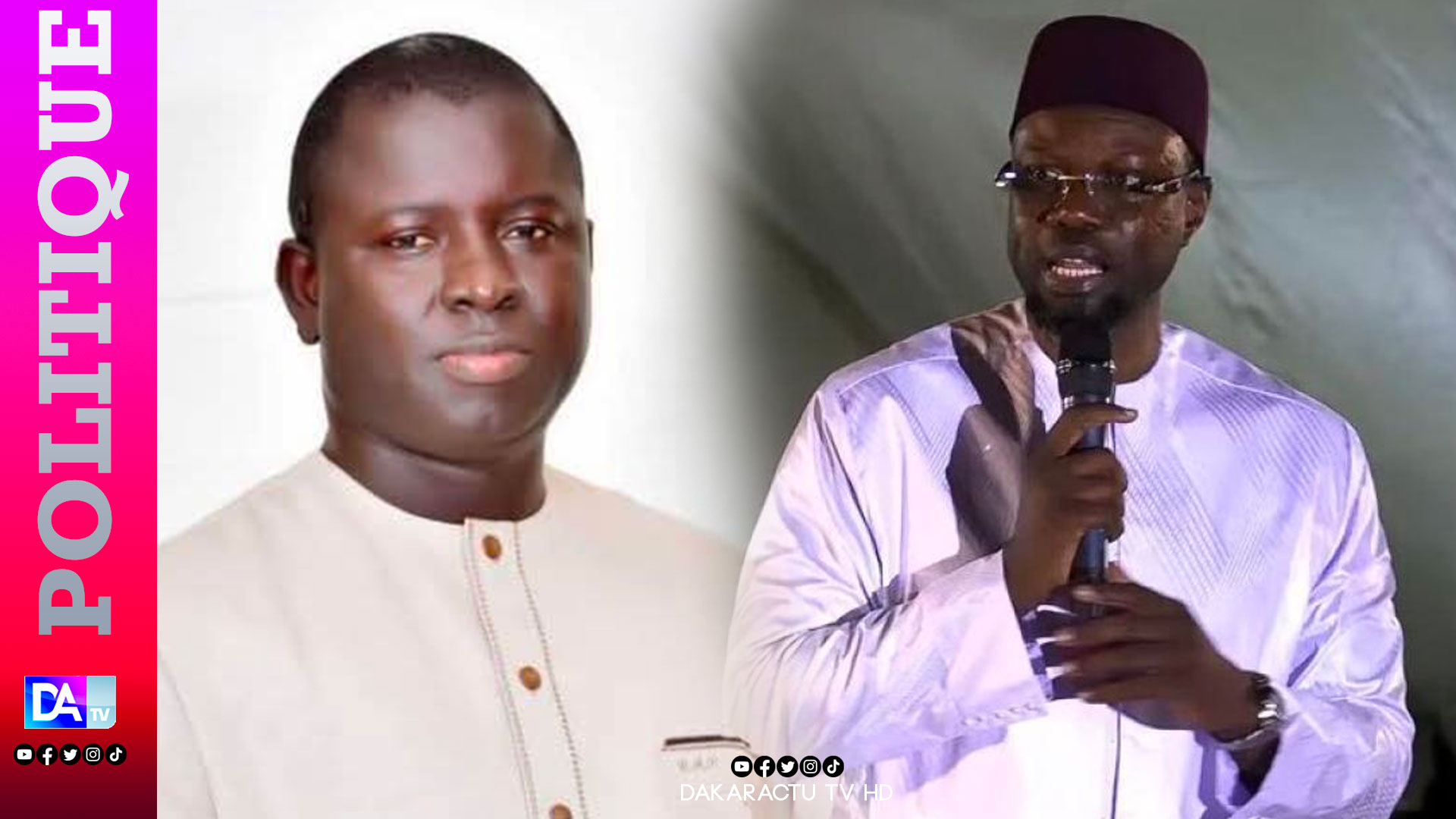
The political landscape of Sénégal is undergoing a profound shift, one that raises a critical question: has the era of perpetual confrontation now replaced the foundational principles of republican governance? Once a vocal opposition leader, briefly in power, and now firmly entrenched in a strategy of institutional obstruction, Ousmane Sonko appears to have abandoned popular resistance for a radicalized approach that challenges the very core of the State.
Recall the rallying cry of « gatsa-gatsa » (« short tail pays for short tail »), a slogan originally wielded to justify direct retaliation against the previous regime. This phrase, meant to symbolize unyielding resistance, has since morphed into a tool for relentless political manipulation, distorting the nation’s discourse. What began as a strategy for confrontation now risks becoming a systemic undermining of Sénégal’s democratic pillars.
Following a contentious ascent to the presidency of the National Assembly, Sonko swiftly pursued a constitutional revision project, only to face an unequivocal rejection by the Conseil Constitutionnel. Far from prompting introspection or a commitment to republican compromise, this legal setback appears to have fueled a deeper resolve—one that now embraces institutional defiance under the banner of « maa tay » (« I don’t care »).
From resistance to institutional paralysis
The shift from « gatsa-gatsa » to « maa tay » marks a dangerous escalation. No longer confined to political rivalry, this strategy now threatens the very foundations of the State:
- Systematic obstruction: Deliberately paralyzing government operations, regardless of the national cost.
- Disregard for justice: Flouting constitutional rulings and judicial decisions in favor of political posturing.
- Holding institutions hostage: Exploiting frustration over unmet ambitions to justify a refusal to engage in democratic dialogue.
The resilience of Sénégal’s democracy has long rested on the strength of its institutions. Yet this new approach—where personal grievances overshadow institutional respect—sets a perilous precedent. Institutions endure long after individuals fade; weakening them to mask private ambitions or undisclosed agendas endangers the nation as a whole. While opposition and checks on power are vital constitutional rights, their exercise through relentless obstruction is a dead end.
Cheikh Issa SALL
President of the UNITE Party