After the Yaoundé summit, the fallout and future of the Yoyo-Yolanda gas project enters a critical phase
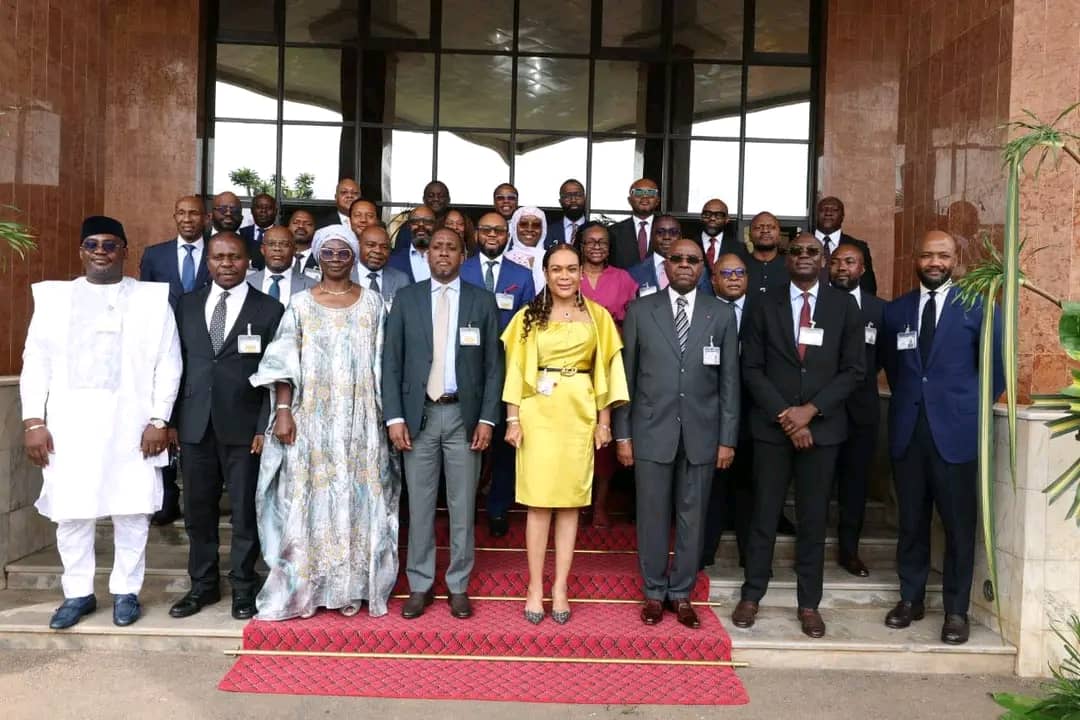
The joint Cameroonian-Equatorial Guinean delegation emerged from closed-door talks in Yaoundé with a unified stance on the transboundary Yoyo-Yolanda gas field operations agreement, setting the stage for high-stakes negotiations with Chevron.
Hosted by Cameroon’s National Hydrocarbons Corporation (SNH) on 4 November 2026, the bilateral session brought together senior officials from both nations to finalise a common position ahead of the upcoming discussions with the US major. The meeting signalled a decisive step toward unlocking the shared gas resources that straddle their maritime border.
Unity forged before the Chevron reckoning
The Cameroonian side was led by Nathalie Moudiki, Senior Advisor N2 at SNH, while Equatorial Guinea fielded Oscar Berniko, Director-General of State Entities and Petroleum Assets at the Ministry of Hydrocarbons. Their convergence on key terms—expected to underpin future revenues, cross-border industrialisation and energy security—reflects a shared commitment to turning geology into prosperity.
This coordinated approach follows two landmark pacts: the 17 March 2023 bilateral agreement signed in Yaoundé by Presidents Paul Biya and Teodoro Obiang Nguema Mbasogo, and the 3 February 2026 unitisation accord inked in Malabo. Together, these instruments frame the Yoyo-Yolanda venture as a flagship South-South cooperation model, one that could serve as a template for similar cross-border fields across Central Africa.
Public debate intensifies over economic promises vs. environmental risks
Reactions to the November summit have already split into two camps. Proponents argue the project will catalyse downstream industries, create thousands of jobs and boost regional GDP by tapping into an estimated 1.2 trillion cubic feet of recoverable gas. They point to Cameroon’s 2035 gas-to-power masterplan and Equatorial Guinea’s ongoing liquefied natural gas expansion as proof that the venture aligns with both nations’ energy transition agendas.
Critics, however, warn of environmental damage and inequitable revenue distribution. Environmental groups have raised concerns about potential methane leaks, coastal erosion and disruption to local fishing communities that depend on the Gulf of Guinea’s rich marine ecosystems. Meanwhile, civil-society organisations question whether the unitisation formula will give both countries an equitable share of future earnings, given disparities in technical capacity and fiscal regimes.
What happens next: roadmap to first gas
- Q1 2027: Chevron is expected to receive the finalised AOU draft and commence joint technical due diligence.
- Q2 2027: Regulatory authorities in both countries will open public consultations on environmental impact assessments and fiscal terms.
- Q4 2027: Final investment decision anticipated if no major objections arise.
- 2029-2030: First commercial gas deliveries slated to flow, with Cameroon targeting 800 MW of new gas-fired power capacity and Equatorial Guinea eyeing LNG exports to Europe and Asia.
The coming months will test whether this partnership can translate diplomacy into tangible dividends for citizens on both sides of the border. With global LNG prices volatile and investor scrutiny rising, the stakes could hardly be higher.
As the two governments finalise their joint offer, all eyes are on Chevron’s response—and the public’s verdict on whether Yoyo-Yolanda will become an engine of growth or another resource curse.