How Togo is spearheading a regional fertilizer revolution through phosphate innovation
With a groundbreaking investment program totaling 1.45 trillion West African CFA francs between 2026 and 2030, the West African Economic and Monetary Union (UEMOA) is steering a bold industrial transformation in the phosphate-to-fertilizer sector. At the heart of this strategic initiative lies Togo—a nation endowed with abundant phosphate reserves—selected as a key production hub. The success of this regional project hinges on unlocking the country’s mineral wealth and converting it into high-value industrial outputs.
A regional strategy driven by shared ambition and mineral wealth
The decision to establish a major fertilizer production center in Togo is no coincidence. The UEMOA’s phosphate and fertilizer development program represents a turning point in regional economic policy, shifting focus from raw material exports to local value addition. This initiative is not just another government-led project; it is a community-wide strategy outlined in the IMPACT 2030 strategic plan, designed to integrate West African economies and reduce dependence on external fertilizer suppliers.
At its core, the strategy is about building an industrial value chain that spans multiple countries within the union. While Togo serves as the physical anchor for this new phosphate hub, the conceptual framework, funding mechanisms, and operational guidelines are collectively developed and managed by UEMOA member states. Private sector involvement and public-private partnerships are emphasized to ensure robust execution and scalability.
From mines to markets: the case for local transformation
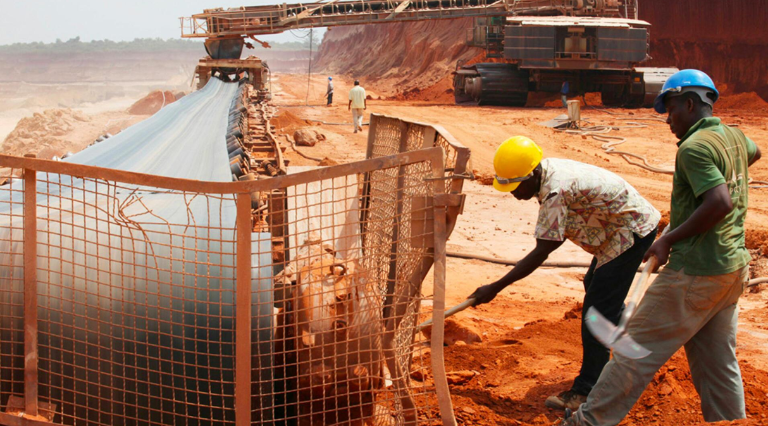
Togo’s phosphate reserves have long been exploited and exported primarily in their raw form. But the UEMOA project is set to change that narrative. By establishing integrated processing facilities, the nation can pivot toward producing refined phosphate derivatives, specialized fertilizers, and mixed blends tailored to local soils and crop demands.
The benefits extend far beyond export earnings. Domestic processing will stimulate industrial employment, enhance technical skills, and strengthen local supply chains. For farmers across West Africa—especially those in Togo, Ghana, and Benin—this shift promises better access to affordable, region-specific fertilizers, reducing reliance on volatile international markets and imported chemicals.
Securing the industrial backbone: infrastructure, investment, and logistics
Yet mineral deposits alone do not guarantee success. For the phosphate-to-fertilizer transformation to take root, a robust industrial ecosystem is essential. This includes modern processing plants, reliable energy supply, efficient transport corridors, and storage facilities. The UEMOA initiative recognizes this imperative and has earmarked significant funding—over 1.45 trillion CFA francs—to build the necessary infrastructure.
Of this amount, the private sector is expected to contribute 1.19 trillion CFA francs, signaling strong market confidence in the project’s viability. Public investment, totaling around 239.5 billion CFA francs, will support enabling policies, regulatory frameworks, and last-mile connectivity. The challenge now lies in aligning these financial flows with concrete project milestones, ensuring timely execution and measurable outcomes.
The path to agricultural sovereignty through industrial integration
West Africa currently faces a paradox: despite abundant phosphate resources, the region imports about 60% of its fertilizers, leaving farmers vulnerable to price shocks and supply disruptions. The UEMOA’s fertilizer hub initiative aims to reverse this trend by creating a regional production network that aligns supply with demand.
By locating blending units near major agricultural zones, the project ensures that fertilizers are not only affordable but also chemically optimized for local soils and climates. This localized production model will enhance crop yields, improve food security, and foster resilience against global fertilizer market volatility.
From vision to reality: the role of Togo in a larger industrial mosaic
For Togo, this is more than an industrial opportunity—it is a strategic inflection point. Serving as the flagship site, the country stands to gain from increased foreign direct investment, job creation, and technology transfer. Yet the project’s ultimate success will depend on seamless coordination with other UEMOA members, particularly those contributing phosphate feedstock or serving as agricultural demand centers.
The government’s role will be pivotal in facilitating regulatory clarity, land acquisition, and public-private dialogue. Clear timelines, transparent procurement processes, and secure investment frameworks are essential to instilling confidence among international investors and industrial partners.
A new era for West African industry and agriculture
The UEMOAs phosphate-to-fertilizer initiative represents more than economic policy—it embodies a turning point in regional industrialization. By harnessing Togo’s mineral wealth within a coordinated, cross-border framework, UEMOA is laying the groundwork for greater agricultural productivity, industrial resilience, and economic sovereignty.
The next three years will be decisive. As investment commitments take shape and pilot plants begin operations, West Africa will have the chance to prove that regional cooperation and mineral endowment can drive lasting economic transformation. The phosphate hub in Togo may well become the catalyst for a fertilizer revolution—one that nourishes both fields and economies across the region.