Uncertainty looms over Yaoundé’s oil supply deal amid public scrutiny
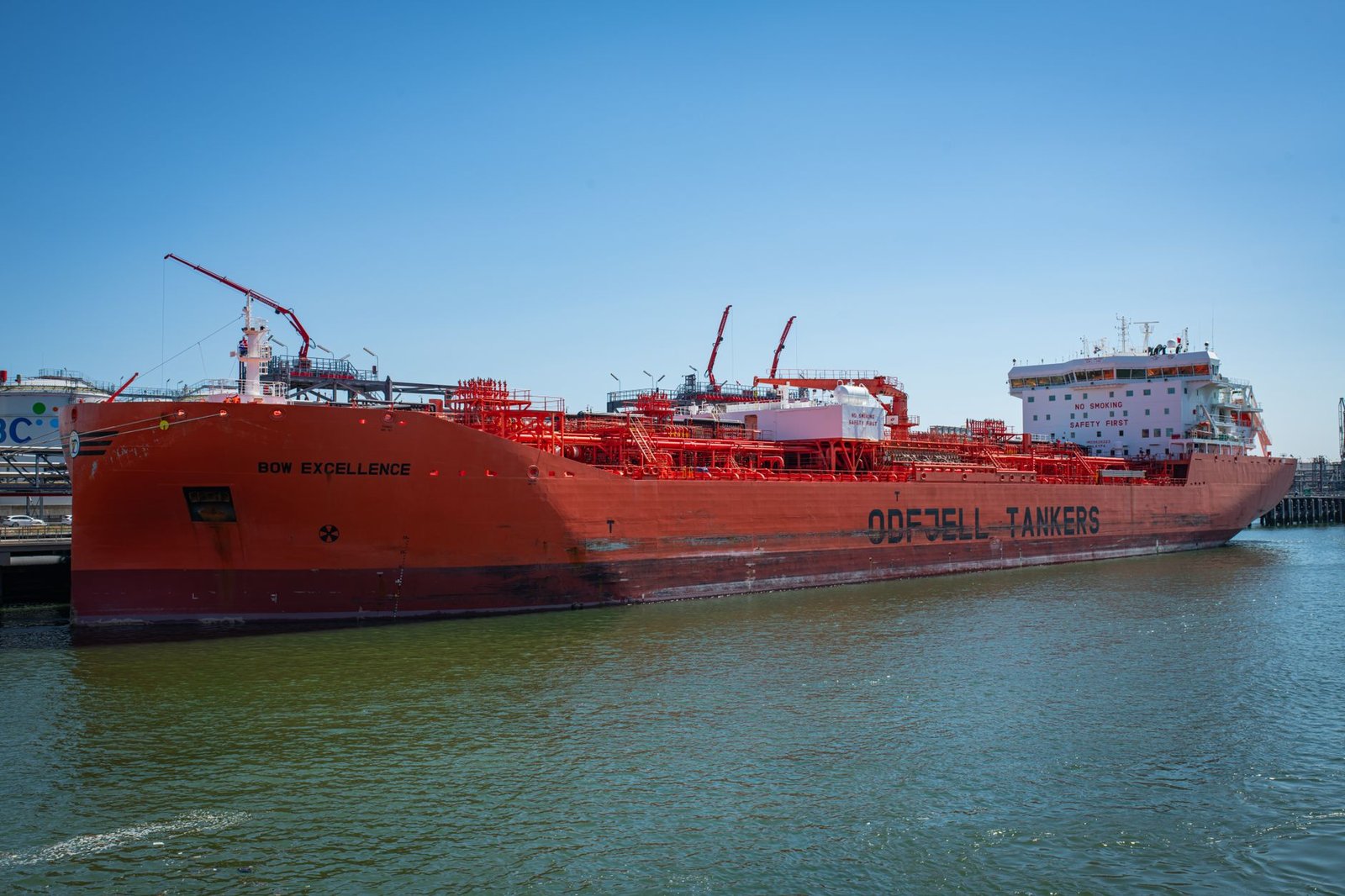
Yaoundé’s latest oil import proposal, unveiled during a high-stakes October 2026 meeting between Energy Minister Gaston Eloundou Essomba and a KC Trade International delegation led by CEO Cédric Ketchanga, has ignited fresh controversy over the country’s energy financing strategy. The plan, which involves global trading giants BGN (backed by Rüya Bayegan and based in Geneva) and Zyron Energy (Dubai-based), introduces an unconventional “Open account 100%” payment system—a structure previously untested in Cameroon’s oil sector. Under this model, fuel shipments would arrive before invoicing, with payment deferred indefinitely, raising concerns about fiscal accountability and long-term debt exposure.
Critics warn that the proposed financing mechanism could strain the national budget, particularly as Cameroon increasingly relies on costly fuel imports to compensate for the 2019 shutdown of its sole refinery, Sonara in Limbé. With no timeline for repayment or volume commitments disclosed, stakeholders question whether the government has adequately assessed the risks of tying its energy security to private traders. The deal’s opacity—covering everything from credit durations to sovereign guarantees—has intensified calls for greater transparency in what some now call a high-stakes gamble.
From crisis to opportunity: how foreign traders are reshaping Cameroon’s energy market
Import dependency creates lucrative gaps for international players
Since Sonara’s blaze seven years ago, Cameroon has transformed from a net fuel exporter to a net importer, importing 1.79 million tons of refined products (gasoline, diesel, and LPG) between January and October 2025 alone—a figure equivalent to 2.1–2.2 million tons annually. The vacuum left by Sonara’s collapse has proven a goldmine for international traders like BGN and Zyron Energy, which now see Cameroon as a key expansion target in West and Central Africa. Industry observers note that the absence of domestic refining capacity has forced Cameroon to rely on costly spot purchases and long-term contracts with external suppliers, often at unfavorable rates.
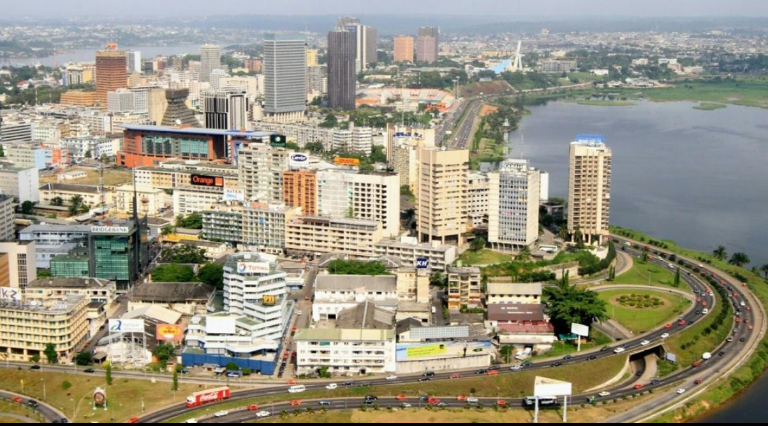
Rüya Bayegan, BGN’s CEO, confirmed the company had already begun deliveries to Cameroon and was exploring further investments, including supply agreements and joint ventures in shipping and port infrastructure. With Côte d’Ivoire’s refinery processing 3.5 million tons annually—more than double Cameroon’s imports—regional benchmarks highlight the scale of market share up for grabs. For Cameroon, the dilemma is clear: entrust its energy needs to private traders or risk perpetuating shortages and price volatility.
Beyond oil shipments: a sprawling web of long-term partnerships
The KC Trade proposal extends far beyond fuel imports, encompassing a multi-pronged industrial strategy that could fundamentally alter Cameroon’s hydrocarbons sector. Negotiations reportedly include:
- Multi-year supply agreements: Locking in long-term contracts that bypass traditional bidding processes, potentially sidelining local players.
- Crude oil export facilitation: Enabling international brokers to handle the sale of Cameroon’s 60,000–65,000 bpd output, traditionally managed by the national hydrocarbons company SNH via quarterly tenders.
- Port and logistics investments: Joint ventures in shipping fleets and storage terminals, further embedding foreign influence in Cameroon’s energy infrastructure.
The stakes are particularly high for the national treasury, as any shift in crude oil marketing could disrupt SNH’s revenue streams and undermine budget planning. Minister Eloundou Essomba faces a delicate balancing act: securing fuel supply through innovative (but risky) financing while preventing a takeover of Cameroon’s hydrocarbon value chain by unregulated intermediaries.
Public backlash and policymakers’ dilemma
As details of the deal trickle out, public opinion is divided. Supporters argue the “Open account 100%” model could ease immediate cash-flow pressures, allowing Cameroon to import critical fuel supplies without upfront costs. Opponents, however, warn of the dangers of trading short-term liquidity for long-term debt, pointing to other African nations where similar financing schemes led to fiscal crises. Analysts highlight the lack of regulatory safeguards, questioning whether the state-owned Société camerounaise des dépôts pétroliers (SCDP) is equipped to manage the financial and operational risks of such a deal.
The government has remained tight-lipped on key parameters, fueling speculation about hidden costs or political motivations. With no clear timeline for implementation or public debate scheduled, the proposal now hangs in the balance—will Cameroon embrace this bold but untested model, or will growing resistance force a return to traditional financing methods? The answer could redefine the country’s energy future for years to come.